April 30, 2026
How Tight Tolerances Affect Plastic Part Performance

Overview
- Tight tolerances in injection molding improve part fit, sealing, and structural performance, ensuring reliable functionality in industries like automotive, medical, and electronics. However, excessively tight or loose tolerances can increase costs, defects, or failures.
- Effective plastic design balances precision, material behavior, and manufacturability for consistent, scalable production results.
In injection molding, even a fraction of a millimeter can affect part fit, sealing, and performance. Tolerance decisions influence both product quality and manufacturing costs, especially in industries such as automotive, medical devices, and electronics. However, tighter tolerances are not always the most effective solution.
In this article, we’ll explore how tight tolerances affect plastic part performance, enabling product designs to be functional and feasible at scale. Richfields provides advanced injection molding solutions that deliver accurate and consistent plastic part tolerances across various industries.
With expertise in tooling design, material selection, process optimization, and quality control, we produce precision-engineered components where dimensional accuracy is essential to performance.

Precision in plastic injection molding plays a primary role in how elements fit, move, and function during use. Well-controlled tolerances help ensure uniformity in production runs and proper part function.
Narrow tolerances help mating components align during assembly, reducing gaps, uneven contact, or interference between connected parts. This becomes crucial in materials with snap-fits, threaded sections, or multi-part assemblies where dimensional variation can impact functionality.
When these are controlled, plastics suit together from one production batch to another. Seamless mating enhances assembly, lessens wear caused by improper alignment, and reduces the likelihood of vibration or movement during operation.
Plastics used in enclosures, fluid solutions, or protective housings require adequate dimensions to maintain sealing integrity. Even small dimensional deviations can create openings through which moisture, dust, air, or chemicals can enter.
Good thing controlled tolerances allow sealing surfaces and gasket interfaces to maintain correct compression and contact. This, then, helps materials retain pressure, resist environmental exposure, and maintain their functions under extreme operating conditions.
Dimensional uniformity also affects how stress is applied to a plastic part during use. Uneven wall thickness, poor alignment, or extreme dimensional variation can create stress concentrations that weaken the part over time.
Maintaining precise tolerances helps ensure that loads are distributed more evenly throughout the structure. This optimizes longevity, lowers the risk of cracking or warping, and supports more sturdy mechanical performance.
Through controlled molding procedures and detailed dimensional tracking, Richfields helps manufacturers produce plastic components with stable structure and durability. This approach supports uses that require mechanical reliability, especially in industries where consistent part behavior and resistance to deformation are more important than ever.
Although narrow variations can enhance functionality, applying them too aggressively may introduce creation challenges that outweigh the advantages. Precision should frequently be balanced with material behavior, tooling capability, and production practicality.
Unlike metal, plastic items naturally expand, contract, and respond to temperature changes during molding and cooling. Resin types behave differently, meaning some materials may struggle to maintain extremely narrow dimensional ranges.
Overly restrictive tolerances may ignore these natural material variations, making stable production challenging. This may result in warping, inconsistent dimensions, or repeated tooling adjustments that slow production runs.
Attaining tight tolerances requires more modern tooling, tighter process controls, additional checks, and slower production cycles. Each of these aspects adds to tooling development and ongoing creation.
In several cases, the extra cost may offer only minor functional benefits if the application does not truly require ultra-high precision. Applying unnecessarily strict dimensions can therefore increase production costs without improving quality.
When dimension restrictions are set too narrowly, even small tolerance variations can cause otherwise functional components to fail assessment. This increases scrap percentages, rework, and production inefficiencies.
In addition, higher rejection rates not only raise product waste but can also disrupt production and delivery timeframes. The result is an unnecessary strain on operations and quality control systems.
Just as overly tight tolerances create difficulties, tolerances that are too loose can also compromise product performance. Without proper dimensional control, elements may not perform when used.

Efficient tolerance design is not about making every dimension as tight as possible. Instead, successful plastic part design highlights applying precision while accounting for material behavior and realities.
Knowing how tight tolerances affect plastic part performance is essential for balancing precision, manufacturability, and long-term product reliability. Properly controlled tolerances improve assembly fit, sealing performance, and structural stability.
At Richfields, we help OEM companies develop injection-molded plastic parts with precision-driven production strategies aligned with requirements. From tooling design and material selection to process improvement and quality control, we provide scalable production solutions for demanding applications. Contact us today to learn more.
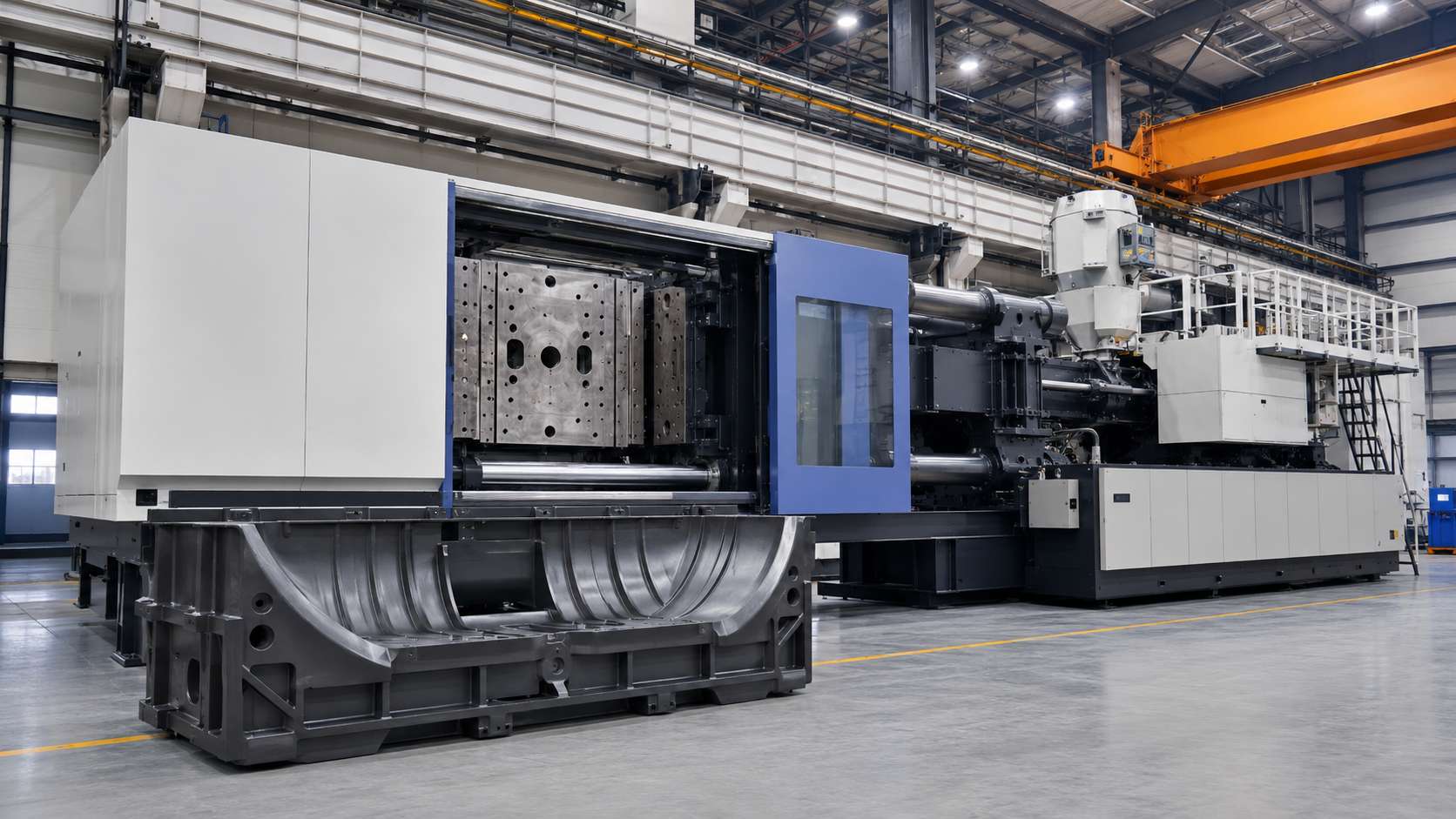
Learn how to evaluate high-tonnage injection molding capacity for large components using key engineering factors for reliable, efficient production.
Read more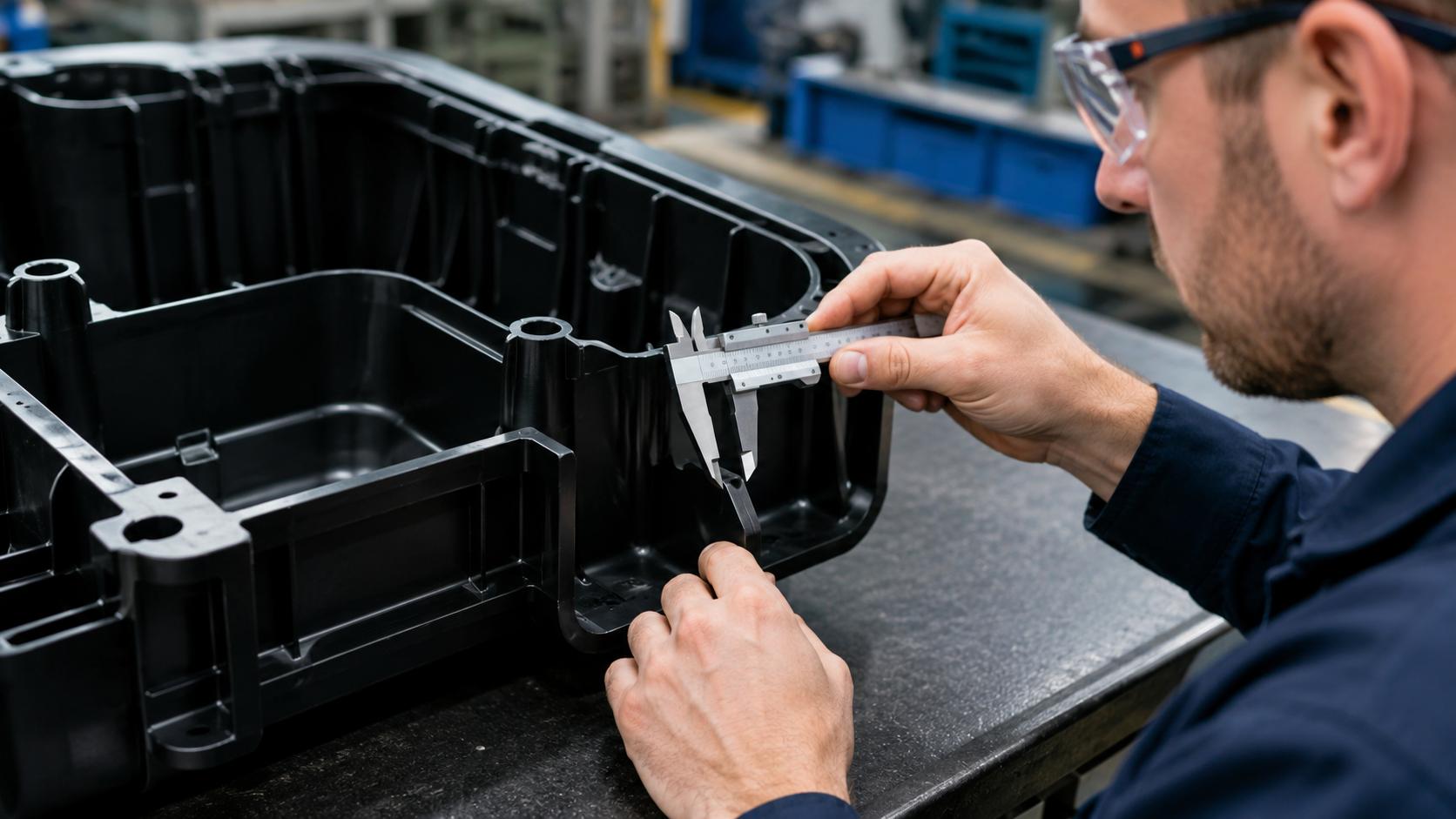
Learn the key wall-thickness guidelines for large injection-molded components that product developers must follow to optimize part performance.
Read more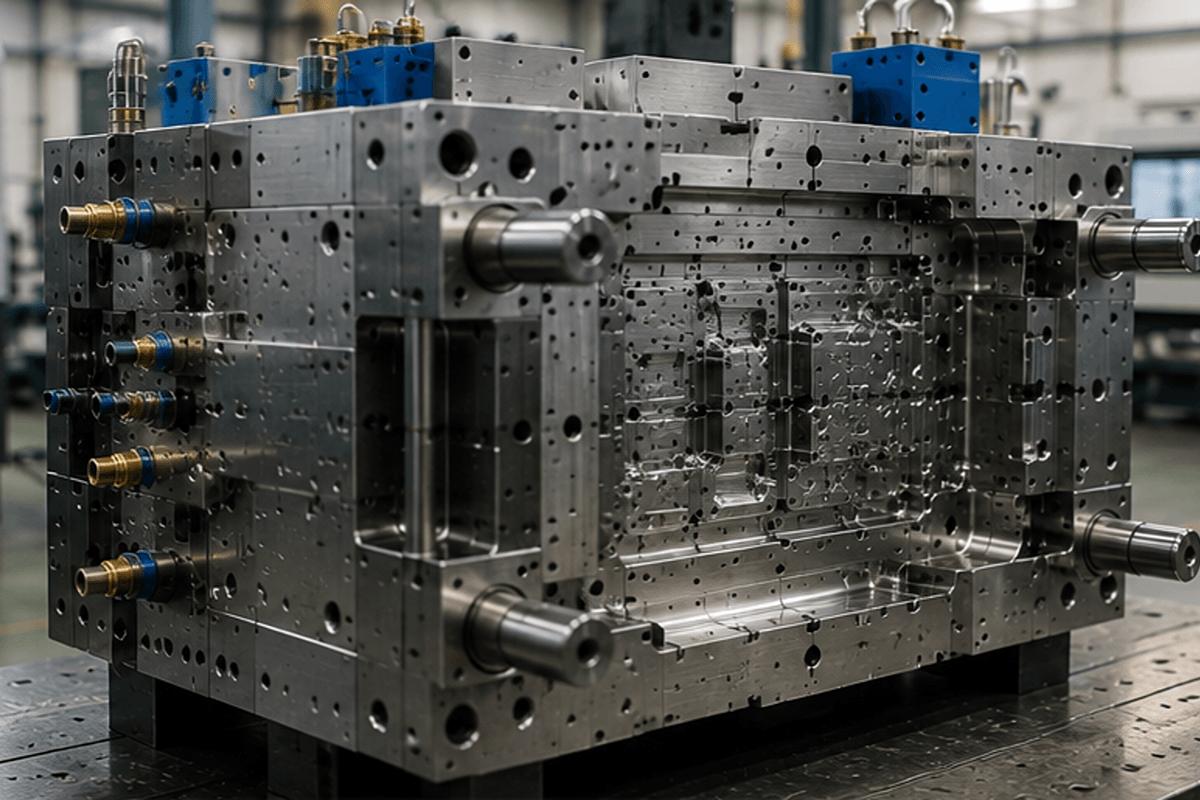
Learn practical ways to assess tooling quotes from injection molding service providers in China for better sourcing decisions and long-term production value.
Read more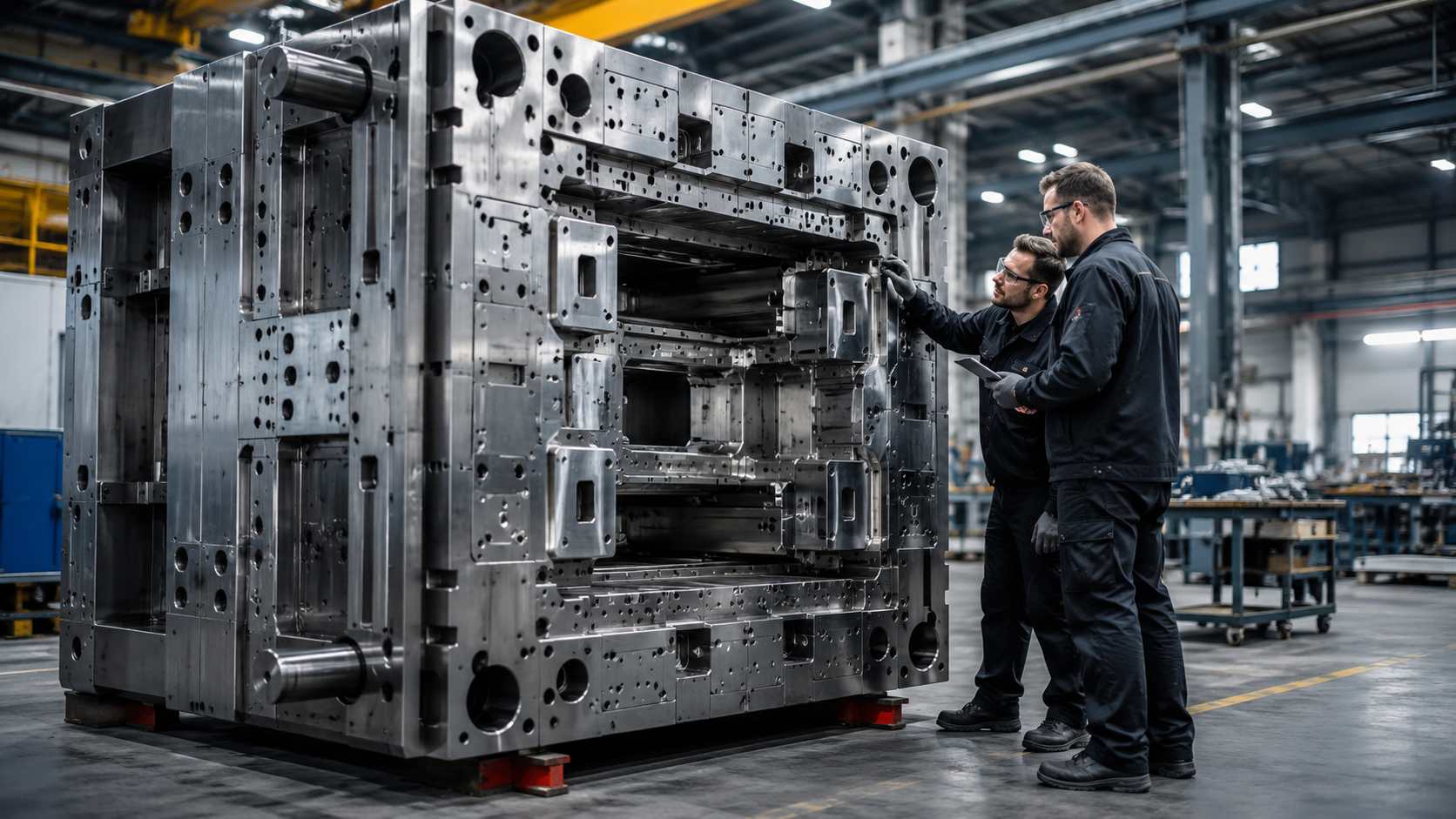
Discover the real cost drivers behind large-part injection mold tooling to understand what influences tooling investment before requesting quotations.
Read more