April 23, 2026
Material Selection Strategies for Consumer Product Parts

Overview
- Material selection profoundly affects the performance, durability, and user experience of consumer products.
A strategic approach considers factors like functionality, environment, manufacturability, sustainability, and brand identity to find the best match.- Richfields supports this process with expert consulting and technical solutions, ensuring optimal material choices that meet diverse production and market demands.
Material decisions can make or break a product, impacting everything from durability to user safety. Selecting the wrong material may lead to production delays, increased costs, or even failure in the field. That’s why implementing effective material selection strategies for consumer product parts is essential during the early design phase.
Companies in the USA often work with an injection molding company in China to balance cost, quality, and scalability while evaluating material properties against functional, environmental, and manufacturing requirements. These strategies help mitigate risks before they arise, ensuring that parts perform reliably while meeting regulatory, aesthetic, and operational standards. Keep reading to learn more!
Before evaluating potential materials, it’s essential to understand the functional, aesthetic, and environmental demands of each component. Establishing requirements upfront reduces prototype iterations, minimizes trial-and-error, and ensures every part is tailored to its intended use and market expectations.
Key considerations:
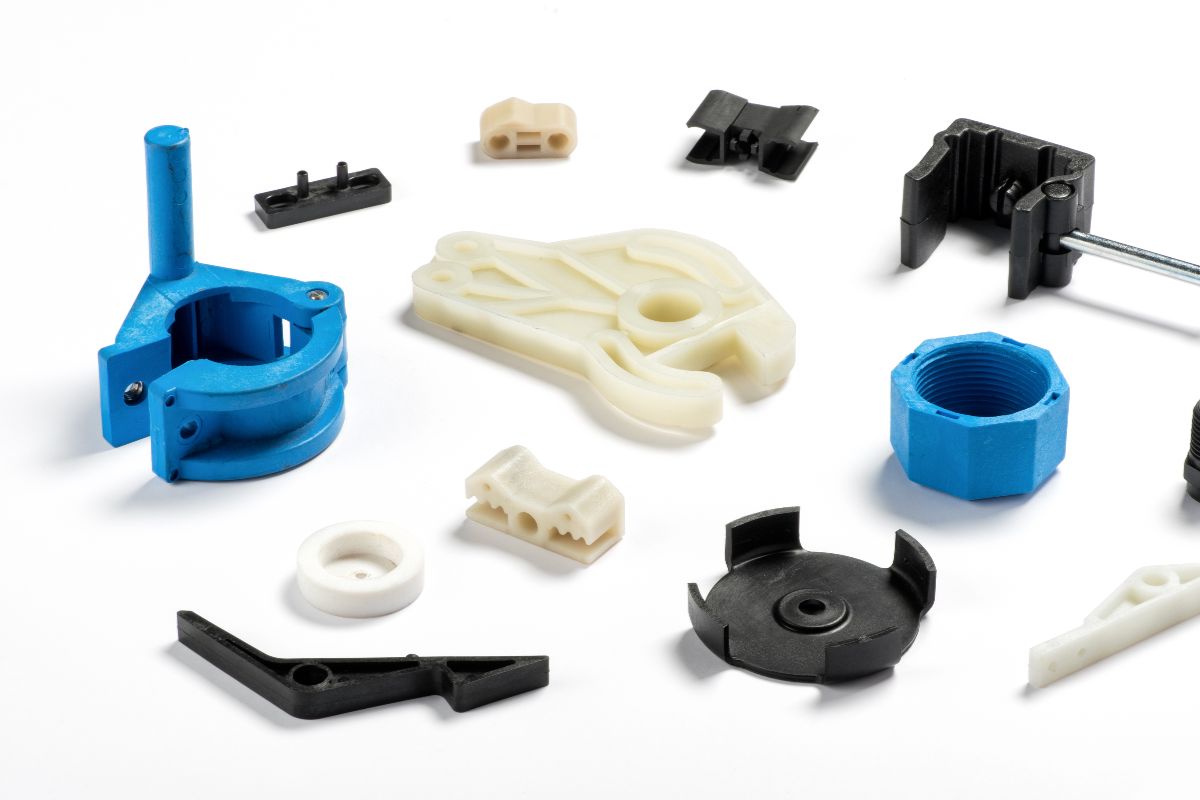
Once requirements are clear, define the evaluation criteria for your material selection. This includes mechanical properties, weight, cost, manufacturability, durability, and environmental resistance.
Key factors:
By establishing detailed selection criteria, teams can systematically compare options, balance trade-offs, and make informed decisions aligned with the product’s functional and business objectives.
Materials must meet both performance demands and manufacturing feasibility. Consider tensile strength, impact resistance, thermal stability, and how each material behaves during molding, forming, assembly, and finishing.
Evaluation checklist:
For example, a high-strength resin may perform well under load but be difficult to mold into thin sections, while an aesthetically pleasing polymer may have limited heat resistance. Early evaluation mitigates production risks and ensures operational efficiency.
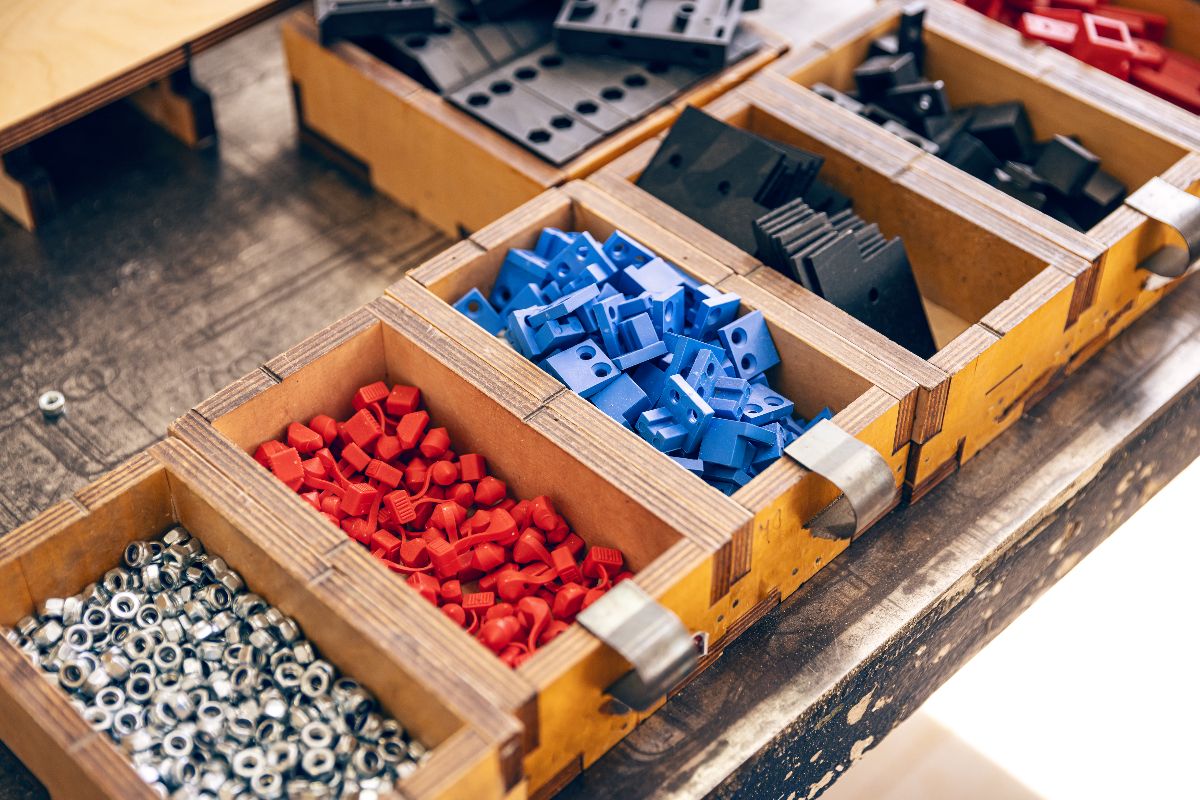
Material choices should support sustainability and reflect the brand’s identity. Using recycled resins, bio-based polymers, or recyclable materials enhances environmental compliance, while surface finish, texture, and color reinforce brand perception.
Considerations:
This approach ensures that every material decision adds long-term value, supports corporate responsibility, and strengthens the product’s market positioning.
Effective material selection is iterative. Narrow down candidates based on performance, cost, and manufacturability, then validate through prototypes or small-scale samples under real-world conditions.
Process steps:
Iterative testing minimizes risk and ensures the final material choice balances durability, manufacturability, and overall product goals.
Selecting the right material directly impacts product performance, durability, and manufacturing efficiency.
Plastics:
Metals:
Selecting the right material is critical for performance, durability, and manufacturability. Richfields provides end-to-end support, from requirement analysis and material evaluation to prototyping and full-scale production, ensuring your product meets technical and market demands.
Our capabilities cover material consulting, precision mold design, prototyping, injection molding, and post-processing. With in-house expertise, advanced technical resources, and experience on international projects, Richfields helps optimize material choices and deliver reliable, high-quality consumer products efficiently.
Implementing effective material selection strategies for consumer product parts is essential to achieving durability, functionality, manufacturability, and a premium finish.
For companies aiming to minimize production risks and optimize performance, Richfields provides comprehensive support—from material consulting and prototyping to mold design, injection molding, and post-processing.
Partner with us to leverage our technical expertise and global project experience, ensuring your products meet stringent industry standards and market expectations.
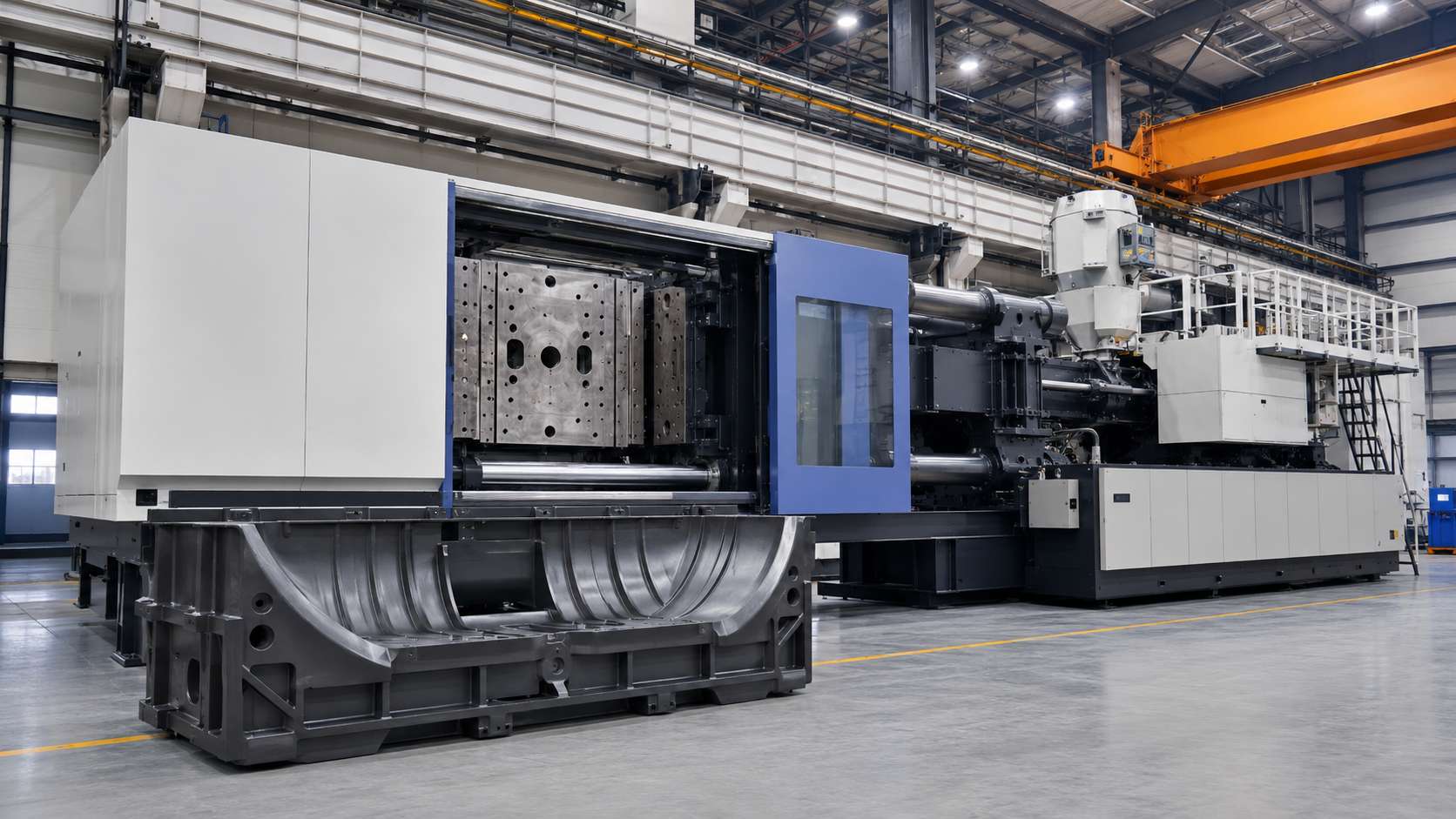
Learn how to evaluate high-tonnage injection molding capacity for large components using key engineering factors for reliable, efficient production.
Read more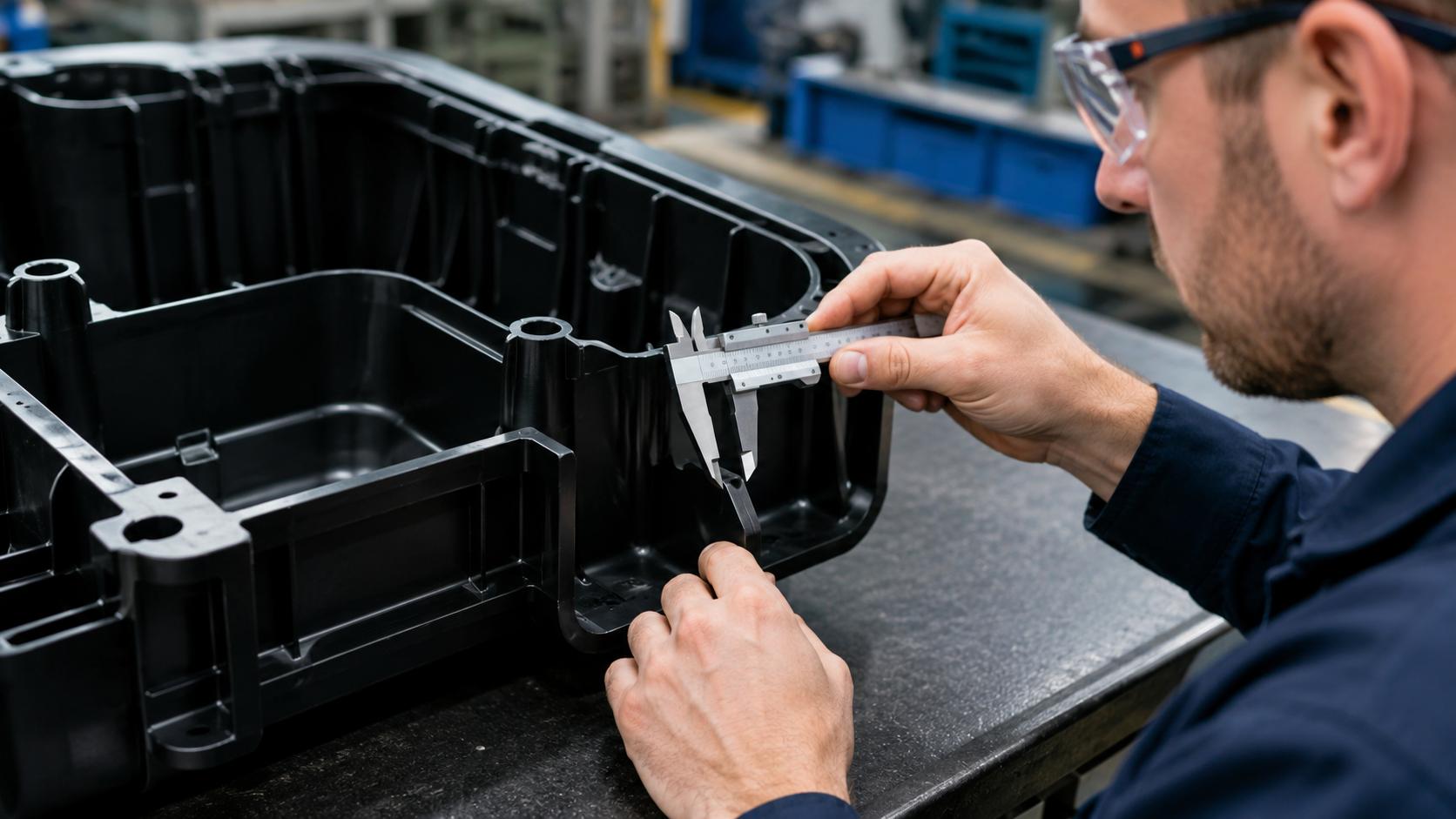
Learn the key wall-thickness guidelines for large injection-molded components that product developers must follow to optimize part performance.
Read more
Learn practical ways to assess tooling quotes from injection molding service providers in China for better sourcing decisions and long-term production value.
Read more
Discover the real cost drivers behind large-part injection mold tooling to understand what influences tooling investment before requesting quotations.
Read more