April 30, 2026
7 Ways Plastic Injection Molding Transforms Ideas into Functional Products
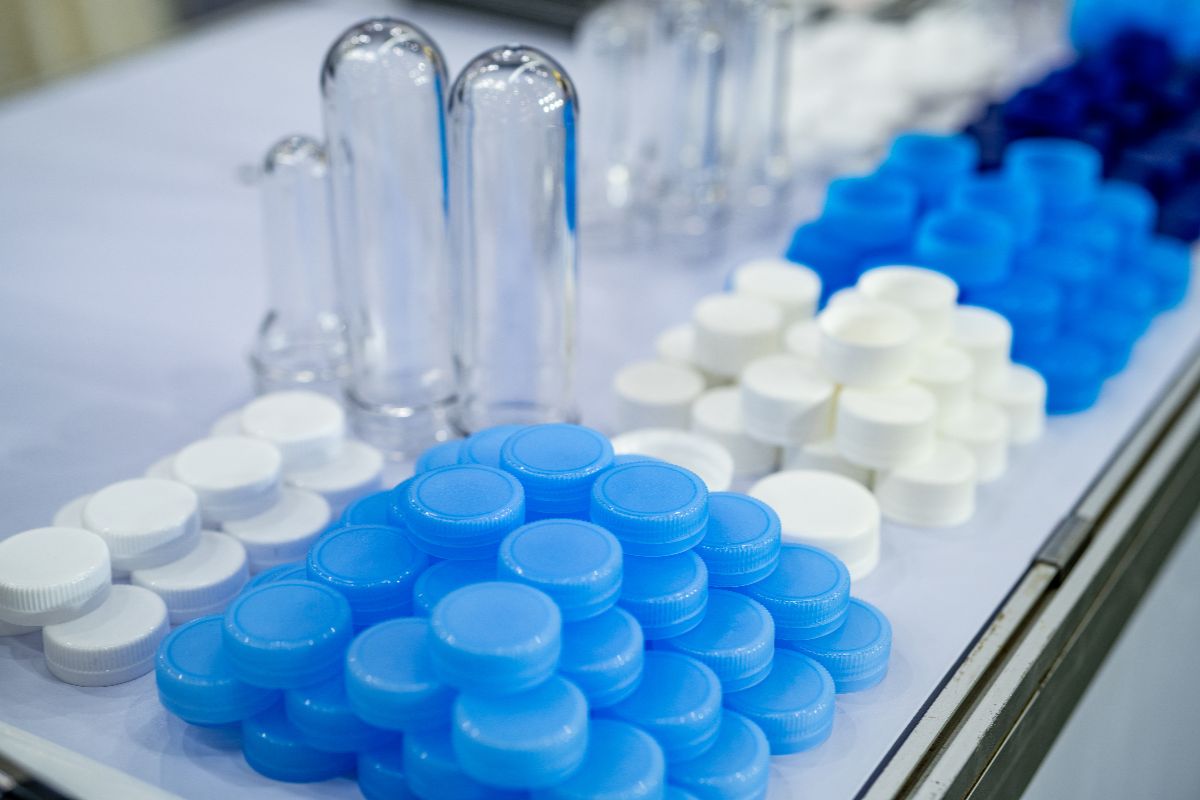
Overview
- Plastic injection molding progresses through design for manufacturability, prototyping, precision tooling, material selection, automated production, and post-processing to ensure defect-free parts.
- The structured process enables complex geometries, durable lightweight designs, multi-material integration, and superior aesthetics for optimal product performance.
- Richfields Corporation excels in delivering these end-to-end solutions with expertise and advanced technology.
Functional, durable, and precise—these are the benchmarks every product must meet in competitive markets. Injection molding transforms ideas into functional products by providing consistent quality and dimensional accuracy across every part.
Companies in the USA rely on a precision plastic injection molding company in China to handle complex designs, tight tolerances, and high-volume production efficiently. This method ensures repeatable performance while minimizing errors, scrap, and production delays. For engineers, designers, and product managers, it offers a reliable pathway to turn concepts into tangible, market-ready products with confidence. Keep reading to learn more!
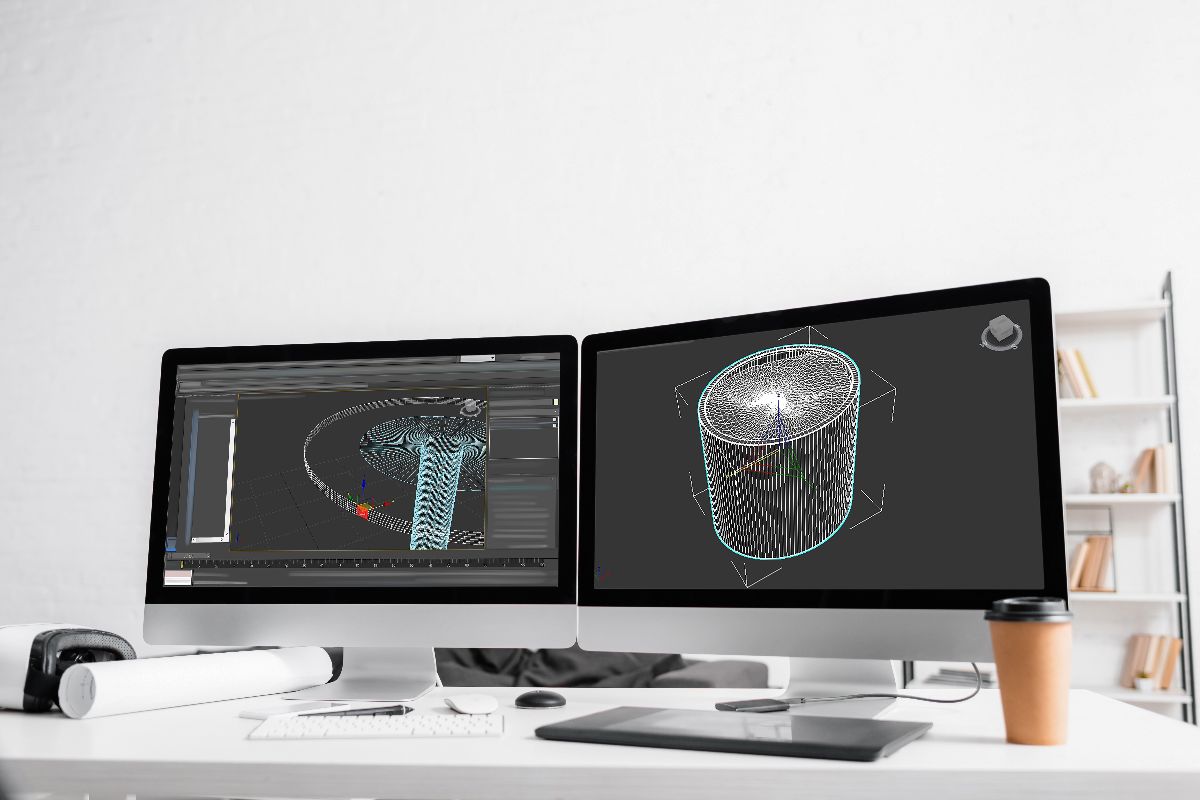
Turning an idea into a functional product begins in the design phase, where technical requirements, geometry, and material considerations are defined. This stage establishes the foundation for repeatable precision, manufacturability, and high-quality outcomes in injection molding.
Design for Manufacturability (DFM) ensures that product concepts are not only innovative but also practical to produce using injection molding. Key considerations include uniform wall thickness, draft angles, simplified geometries, and achievable tolerances.
Applying DFM principles early reduces the risk of costly redesigns, shortens development timelines, and improves overall part quality.
Prototyping translates the design into a tangible component that can be evaluated before full-scale production. Using methods such as 3D printing or soft tooling, engineers and designers can test fit, form, and function while identifying potential manufacturability issues.
This iterative evaluation allows teams to refine designs, validate performance, and address issues with minimal risk, ensuring a smoother transition to production.
After finalizing the design, precision tooling and the right material choices are critical to bringing the product to production. Properly engineered molds ensure dimensional accuracy and durability, while selected materials meet the required mechanical, thermal, and aesthetic specifications. This combination supports repeatable performance and prepares the product for scalable manufacturing.
Custom mold fabrication involves designing and constructing molds that align perfectly with the part’s geometry, size, and functional requirements. Features such as optimized cavities, cooling channels, and ejection mechanisms ensure consistent part formation throughout production.
High-quality molds deliver tight tolerances, smooth surface finishes, and reliable repeatability, bridging the gap between refined design and scalable manufacturing.
Selecting the appropriate material allows the product to meet functional, aesthetic, and regulatory demands. Manufacturers can choose resins that provide strength, flexibility, heat resistance, or visual appeal, depending on application requirements. This adaptability ensures components perform consistently across diverse operating conditions while optimizing cost, compliance, and design objectives.
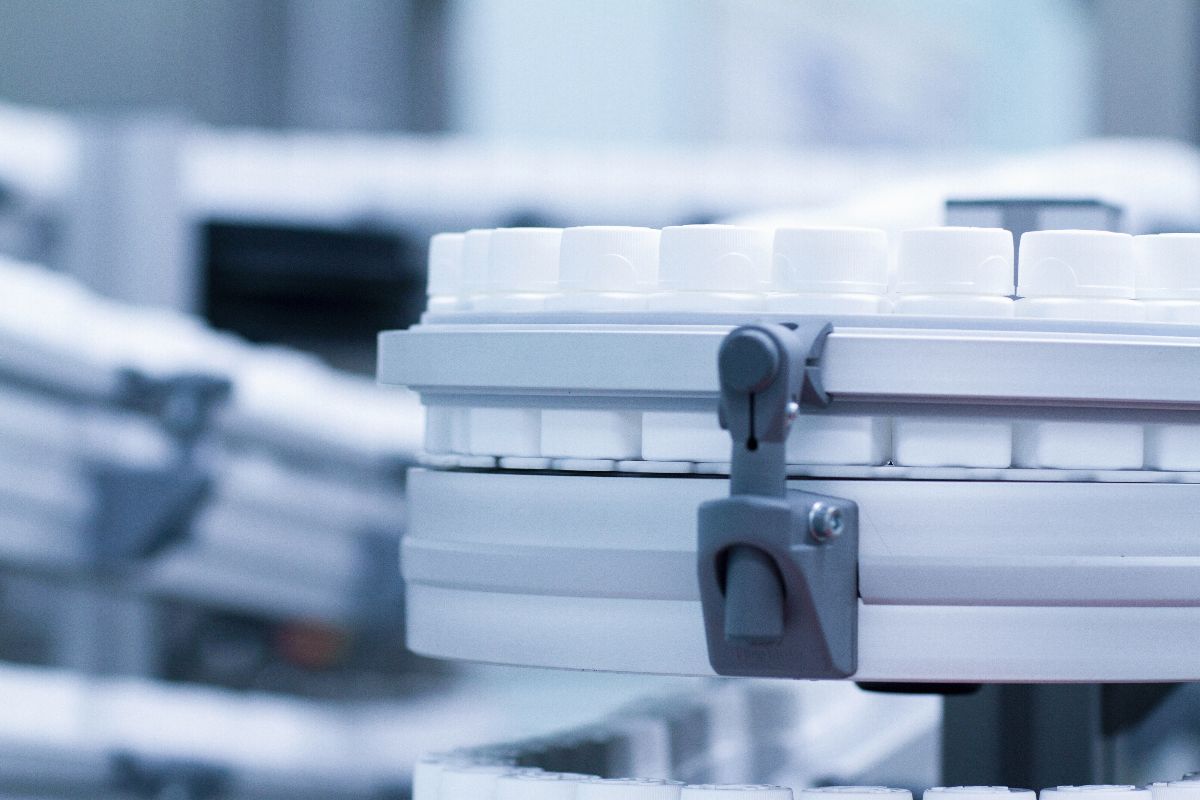
Once tooling and material selection are complete, efficient manufacturing ensures designs are produced accurately, consistently, and at scale. Optimized molding processes and post-processing techniques maintain precision, functionality, and surface quality, turning concepts into market-ready products.
Modern injection molding relies on machines and robotics to handle part removal, assembly, and quality verification. Automation minimizes human error, ensures consistent cycle times, and maintains tight tolerances across every component. This streamlines production, accelerates lead times, and enables designers and engineers to scale efficiently.
Precision molding ensures each part consistently matches the original design specifications. Using calibrated machines, high-quality molds, and standardized quality inspections, manufacturers achieve uniform dimensions, finishes, and functional performance. This repeatability is critical for translating prototypes into high-volume production without unexpected deviations.
The final method involves the finishing steps applied to molded elements after they are ejected from the mold. This can include trimming excess items, surface polishing, painting, or assembling the parts to meet the ultimate product specifications.
These procedures, then, optimize both the functionality and appearance of the product, which ensures that the finished parts are ready for use or market launch.
Plastic injection molding shapes products while ensuring they meet performance and usability standards. By combining precise design, material choice, and controlled production, every component can perform reliably and as intended.
Richfields supports the journey from concept to finished part with end-to-end solutions. Our expertise covers design consultation, prototyping, precision tooling, automated production, and post-processing, ensuring every component meets functional and aesthetic requirements.
With decades of experience across industries, we combine technical knowledge, advanced equipment, and strict quality control to help companies in the USA and beyond transform ideas into reliable, market-ready products efficiently and consistently.
These are the ways plastic injection molding transforms ideas into functional products, bridging creativity with manufacturability. By combining design, prototyping, tooling, and efficient manufacturing, it ensures reliability, repeatability, and performance across industries.
At Richfields Corporation, we support every stage of this journey. With our specialization, advanced technologies, and commitment to quality, we help businesses bring their ideas to life effectively. Reach out to us today to explore how we can be your trusted partner for producing market-ready products.
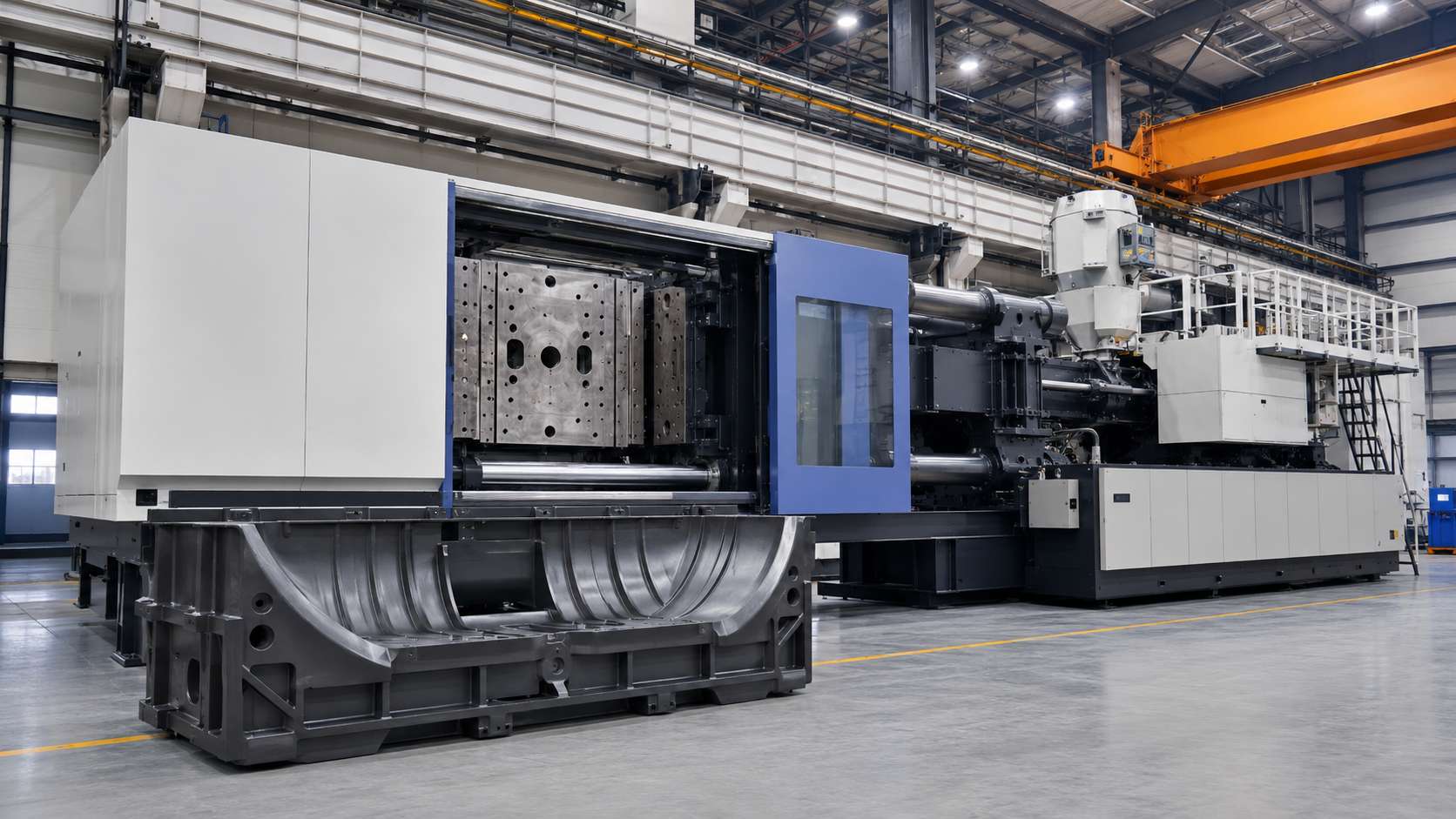
Learn how to evaluate high-tonnage injection molding capacity for large components using key engineering factors for reliable, efficient production.
Read more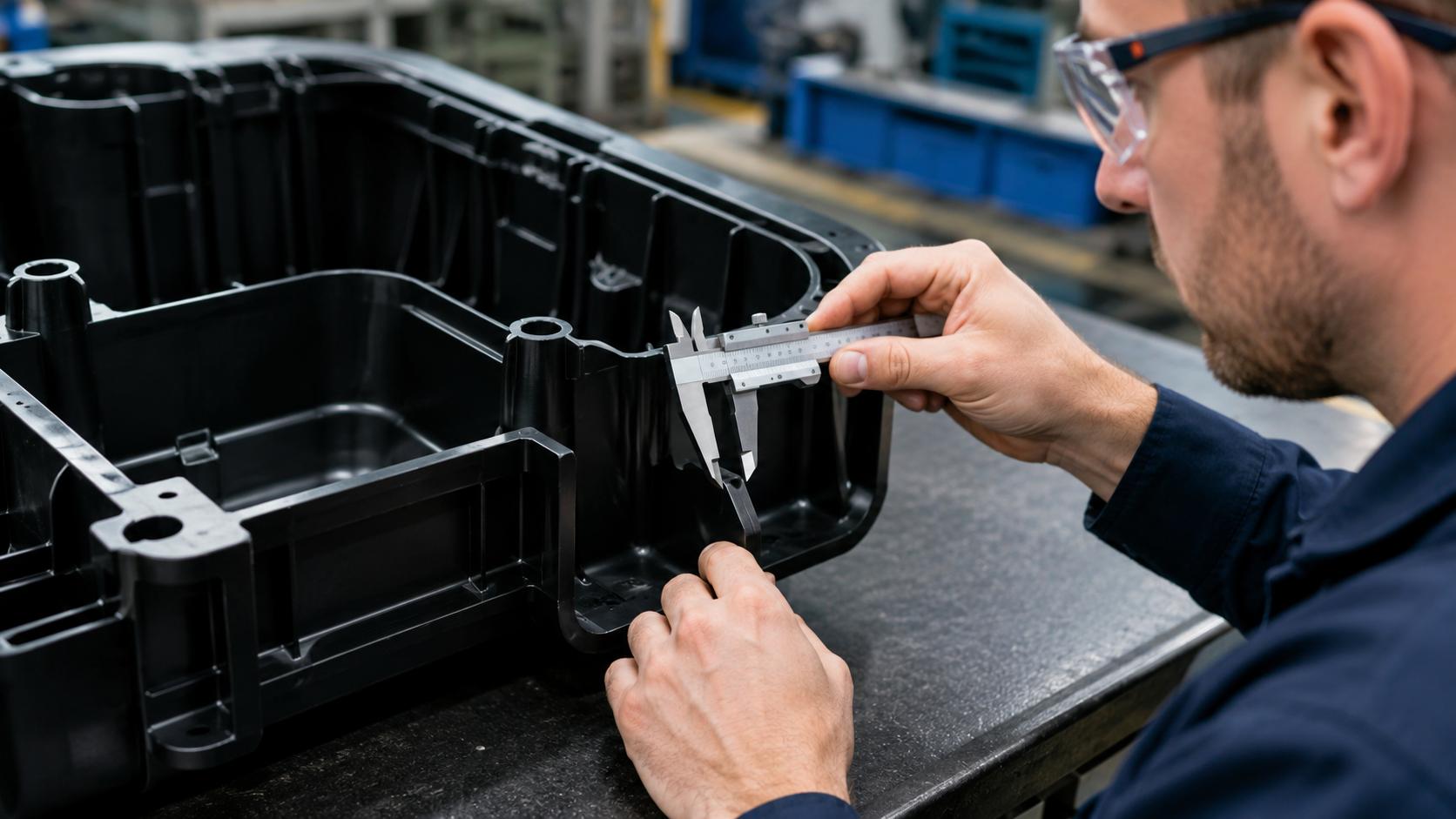
Learn the key wall-thickness guidelines for large injection-molded components that product developers must follow to optimize part performance.
Read more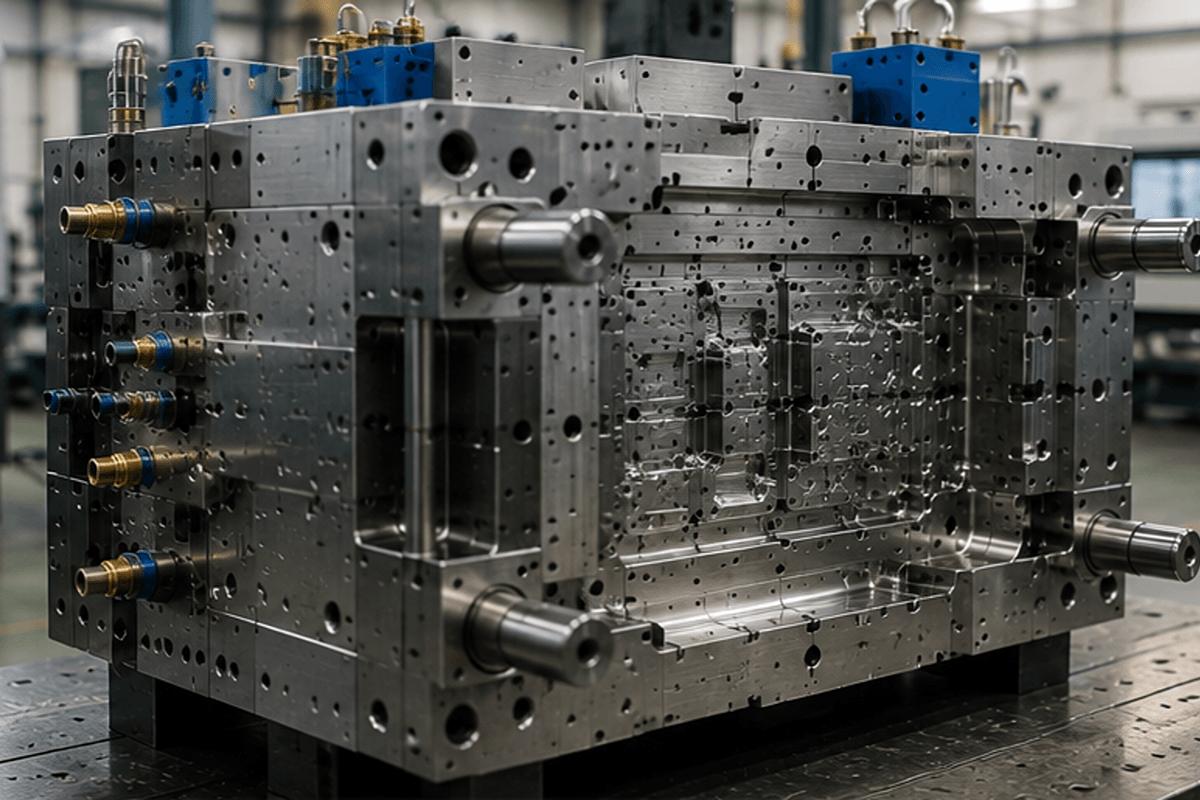
Learn practical ways to assess tooling quotes from injection molding service providers in China for better sourcing decisions and long-term production value.
Read more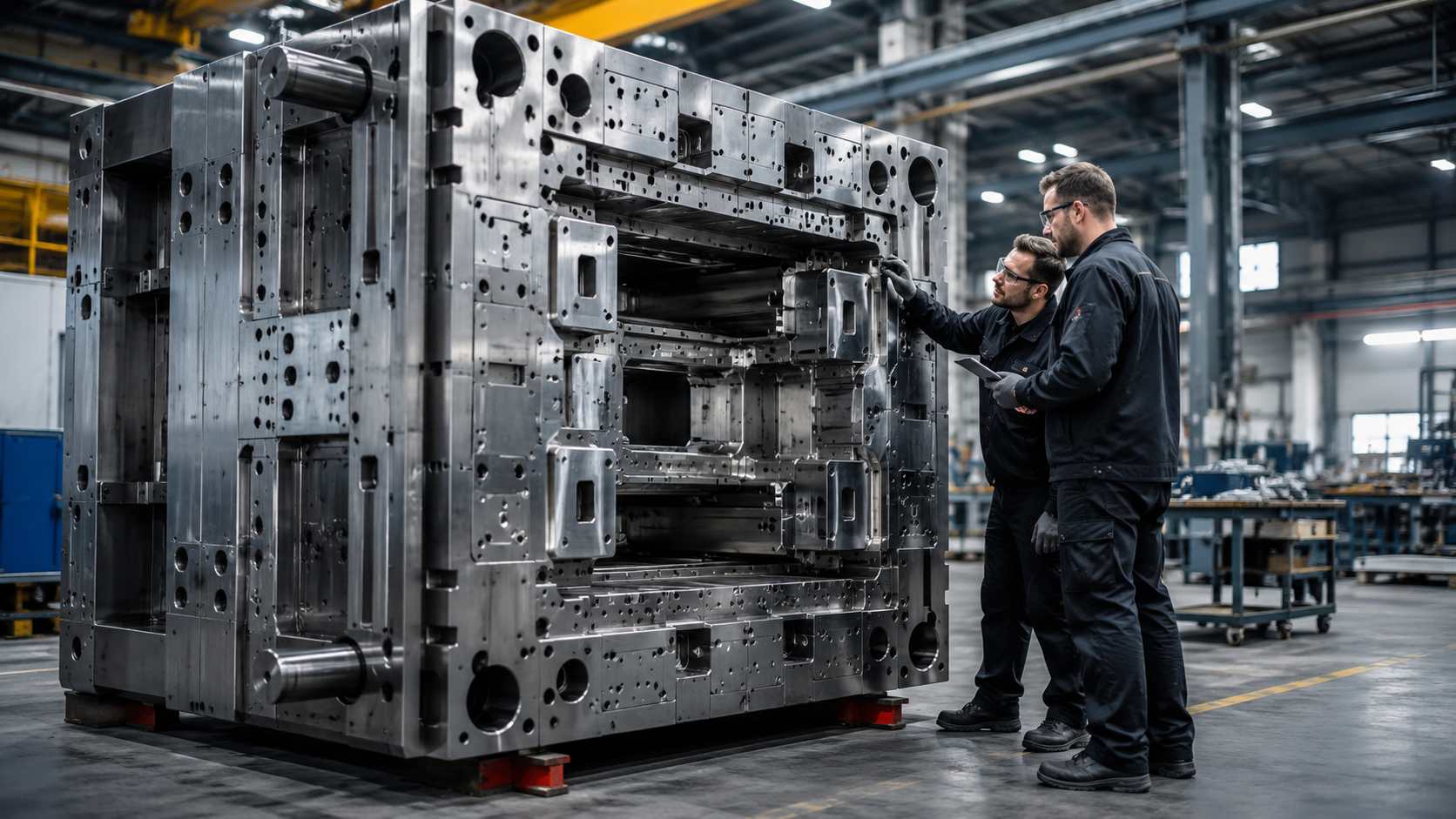
Discover the real cost drivers behind large-part injection mold tooling to understand what influences tooling investment before requesting quotations.
Read more