June 12, 2026
5 Ways to Assess Tooling Quotes From Injection Molding Services Providers in China
Overview
- Evaluating Chinese injection molding quotes requires verifying technical specifications—such as steel grades and runner systems—rather than just comparing prices.
- Procurement teams should request DFM and mold flow analyses, clarify milestone payment terms, secure intellectual property and mold ownership rights, and vet the supplier’s engineering capabilities to ensure long-term manufacturing success.
After many inquiries, receiving multiple tooling quotations is only the beginning of the sourcing process. Procurement teams must determine whether they accurately reflect the project’s engineering requirements. Since each quotation reflects different production efficiencies, it’s important to understand the various ways to assess tooling quotes from injection molding service providers in China.
It’s important to note that when selecting a tooling partner, procurement teams must carefully review critical factors that affect the final sourcing outcome. At Richfields Corporation, we help global manufacturers evaluate tooling requirements through transparent guidelines and production-focused mold solutions that support their success. Let’s discuss what to evaluate before making a final decision.
To accurately assess tooling quotes, you must first verify that every supplier is pricing the exact same technical requirements. Price alone is deceptive; two identical quotes can hide significant differences in mold quality and capabilities. Comparing costs without comparing specs guarantees flawed sourcing decisions and overpaying for underperforming tools.
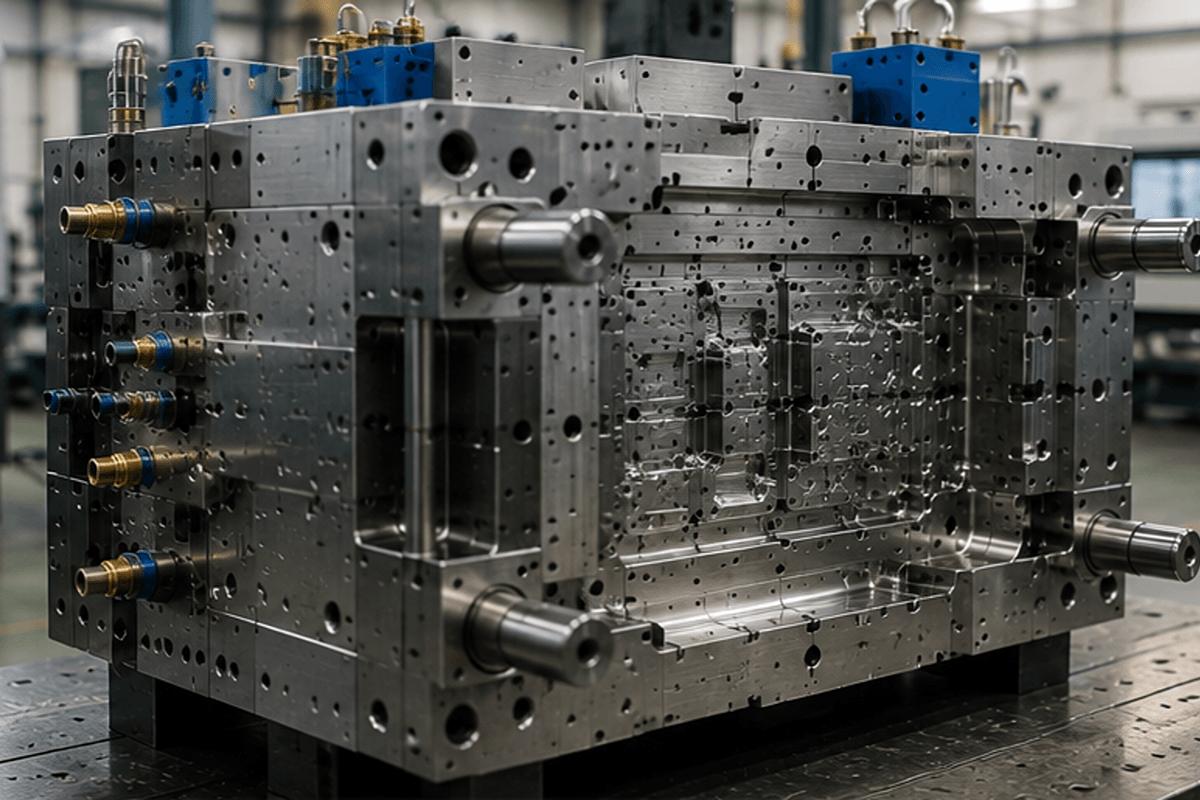
Review whether the quotation identifies specific details, such as the mold steel grade, runner system, and cooling design. It should also specify the target resin and projected production volume used to develop the tooling during the proposal. A quotation that clearly defines these details provides greater transparency and makes it easier to compare suppliers on equal technical terms.
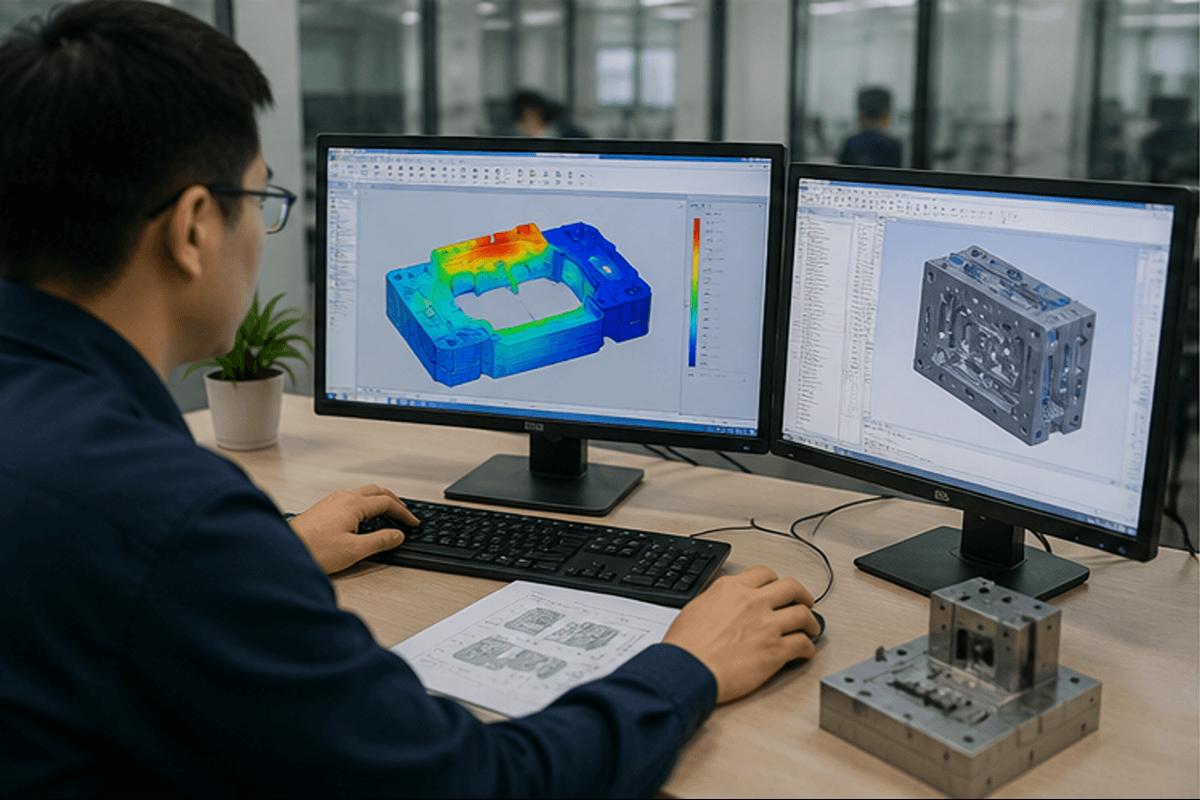
A quotation supported by engineering analysis usually provides greater long-term value than one based solely on part drawings. Requesting these reports allows procurement teams to evaluate if the supplier has identified manufacturing risks long before tooling begins. This also demonstrates that the supplier has invested time in validating the design.
Payment schedules often reveal as much about a tooling project as the quoted price itself. A well-structured quotation should clearly define what each payment milestone includes and when each payment becomes due. Reviewing these terms helps procurement teams understand the supplier’s process while reducing the risk of unexpected costs later in the project.
Confirm whether the quotation separates payments for mold design, tooling fabrication, and final approval. It is equally important to determine whether future mold modifications or shipping charges are included in the price or billed separately. Clear commercial terms make quotations easier to compare and reduce the likelihood of disputes during production.
Tool ownership should be clearly documented before any manufacturing agreement is finalized. A tooling quotation should specify who owns the completed mold, how intellectual property is protected, and what rights the customer retains after payment. These details become especially important when future supplier changes are part of the sourcing strategy.
Review the quotation carefully. Does it clearly define mold ownership and ownership of the associated design files? Does it specify where the mold will be stored, who is responsible for maintenance, and whether it can be transferred upon request? Suppliers that define these terms clearly help protect their customers’ manufacturing assets over the long term.
A strong tooling quotation should be supported by evidence that the supplier can deliver what it promises. Procurement teams should evaluate the manufacturer’s engineering capability and quality systems before making a final sourcing decision. This helps distinguish experienced tooling partners from suppliers that compete primarily on price.
Ask for examples of previous projects and quality documentation that support the quoted proposal. Suppliers that communicate technical recommendations clearly and provide complete documentation generally offer greater confidence throughout the tooling and production process.

At Richfields Corporation, we combine custom mold design and precision injection molding to provide complete manufacturing support for global OEMs. This integrated approach allows us to maintain quality and manage every stage of production under one roof.
With internationally recognized certifications and advanced production facilities in Dongguan, China, we support projects across a wide range of sectors worldwide. Our engineering team works closely with every client to recommend practical manufacturing improvements and develop tooling solutions that support stable, long-term production.
Every technical specification and supplier capability contributes to the mold’s long-term performance and the overall success of production. Taking the time to assess the many ways to assess tooling quotes for injection molding services in China helps procurement teams avoid costly issues later in the project.
Richfields Corporation provides the engineering expertise and manufacturing support needed to help businesses evaluate tooling requirements with confidence. Contact our team today to discuss your project and receive a tooling quotation designed for long-term production success.
Learn how to evaluate high-tonnage injection molding capacity for large components using key engineering factors for reliable, efficient production.
Read more
Learn the key wall-thickness guidelines for large injection-molded components that product developers must follow to optimize part performance.
Read more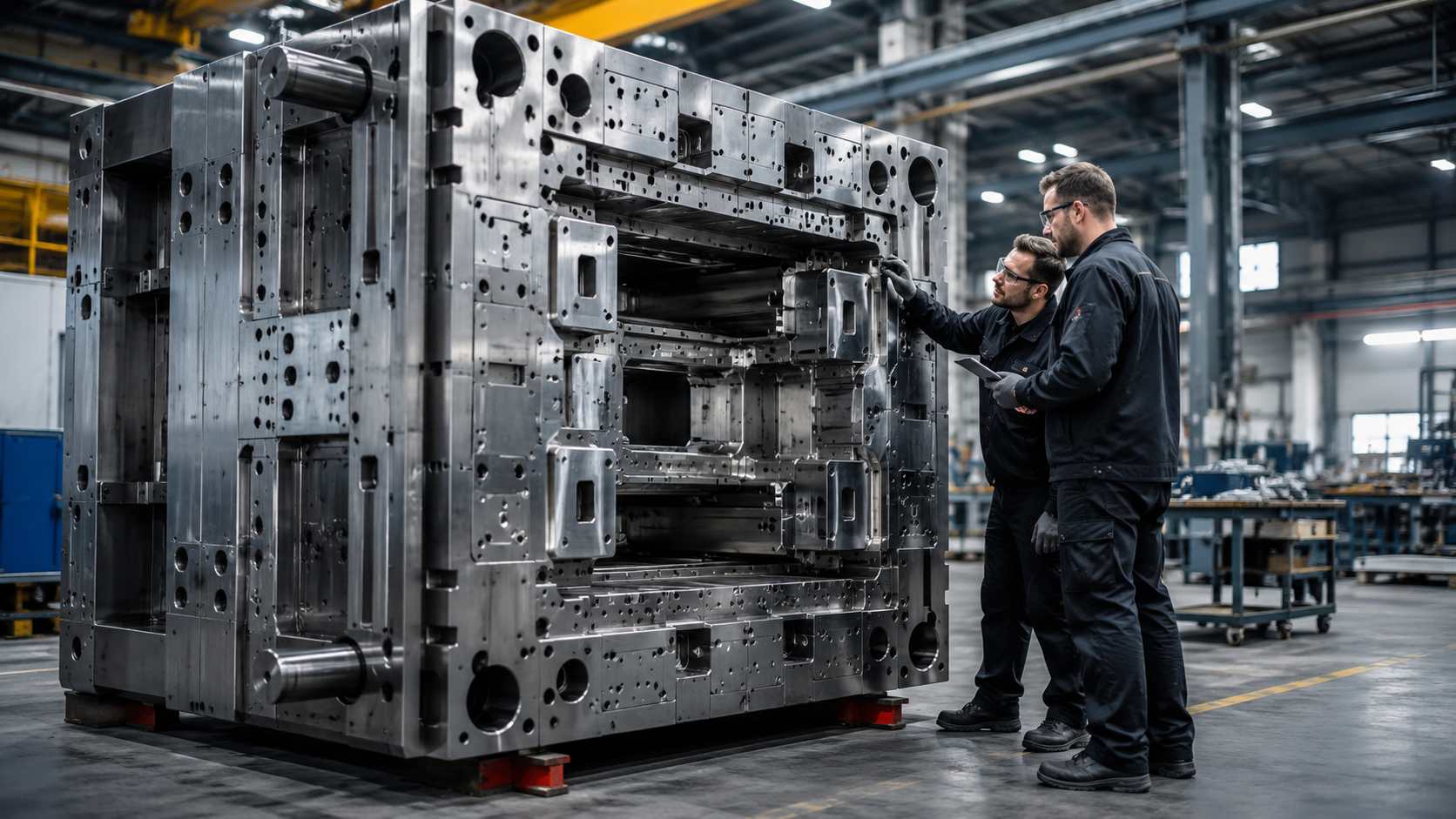
Discover the real cost drivers behind large-part injection mold tooling to understand what influences tooling investment before requesting quotations.
Read more
Prevent defects in large injection molded parts by controlling cooling, material flow, tooling design, and process conditions from the start.
Read more