June 25, 2026
How to Evaluate High-Tonnage Injection Molding Capacity for Large Components
Overview
- Evaluating high-tonnage injection molding capacity requires analyzing three core machine constraints—clamping force, shot capacity, and physical mold dimensions—alongside production line logistics and part geometry.
- Richfields Corporation leverages this evaluation process during upfront DFM reviews, ensuring global OEMs achieve defect-free, consistent manufacturing for complex, large-scale plastic components.
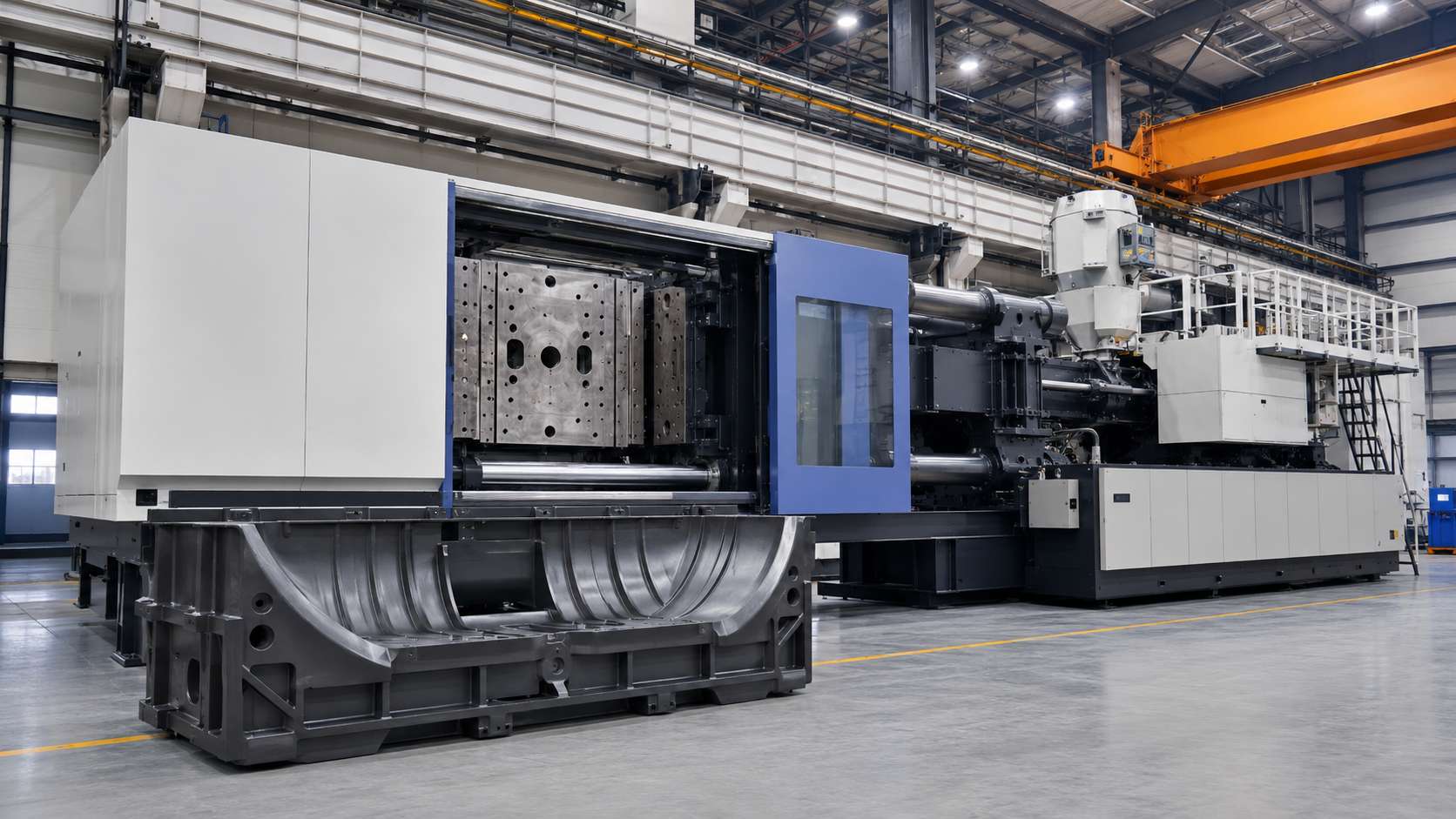
Designing large plastic components requires more than just picking a bigger machine. As part size increases, higher injection pressures generate massive internal forces that can open a mold. Evaluating high-tonnage machine capacity ensures the equipment has the clamping force necessary to hold the mold securely shut, preventing defects and guaranteeing high-quality production.
At Richfields Corporation, we combine advanced high-tonnage injection molding equipment with engineering expertise to support the production of complex large-scale plastic components. This guide explains how to evaluate high-tonnage injection molding capacity for large components. Let’s explore the key factors to review before production begins.
First, calculate the force needed to keep the mold completely closed while molten plastic is injected into the cavity. Every machine is rated by the maximum force it can apply to resist the pressure created during filling, and that force must exceed the pressure generated by the part being molded. If the machine is undersized, the mold can separate during injection, allowing plastic to leak along the parting line.
To determine the clamping force, recruit an engineer to calculate the projected area of the molded part together with the runner system, then multiply that value by the resin’s estimated cavity pressure. The required tonnage increases when the material requires higher injection pressure to fill the mold. Comparing this requirement against the machine’s capacity provides a more reliable and successful evaluation.
Once the required clamping force has been confirmed, the next step is to verify that the machine can inject enough material to fill the mold in a single cycle. Shot capacity refers to the maximum volume of molten plastic that the unit can deliver, and it must be sufficient to produce the entire part together with the runners and sprue. Failing to ensure accuracy can result in inconsistent dimensions and poor part integrity.
Calculate the total weight of material required for one molding cycle. This calculation should include the part, runner system, and any overflow features designed into the mold. Product developers should also confirm that the required shot falls within the manufacturer’s recommended operation range, since injection units perform more consistently when not forced near their maximum capacity.
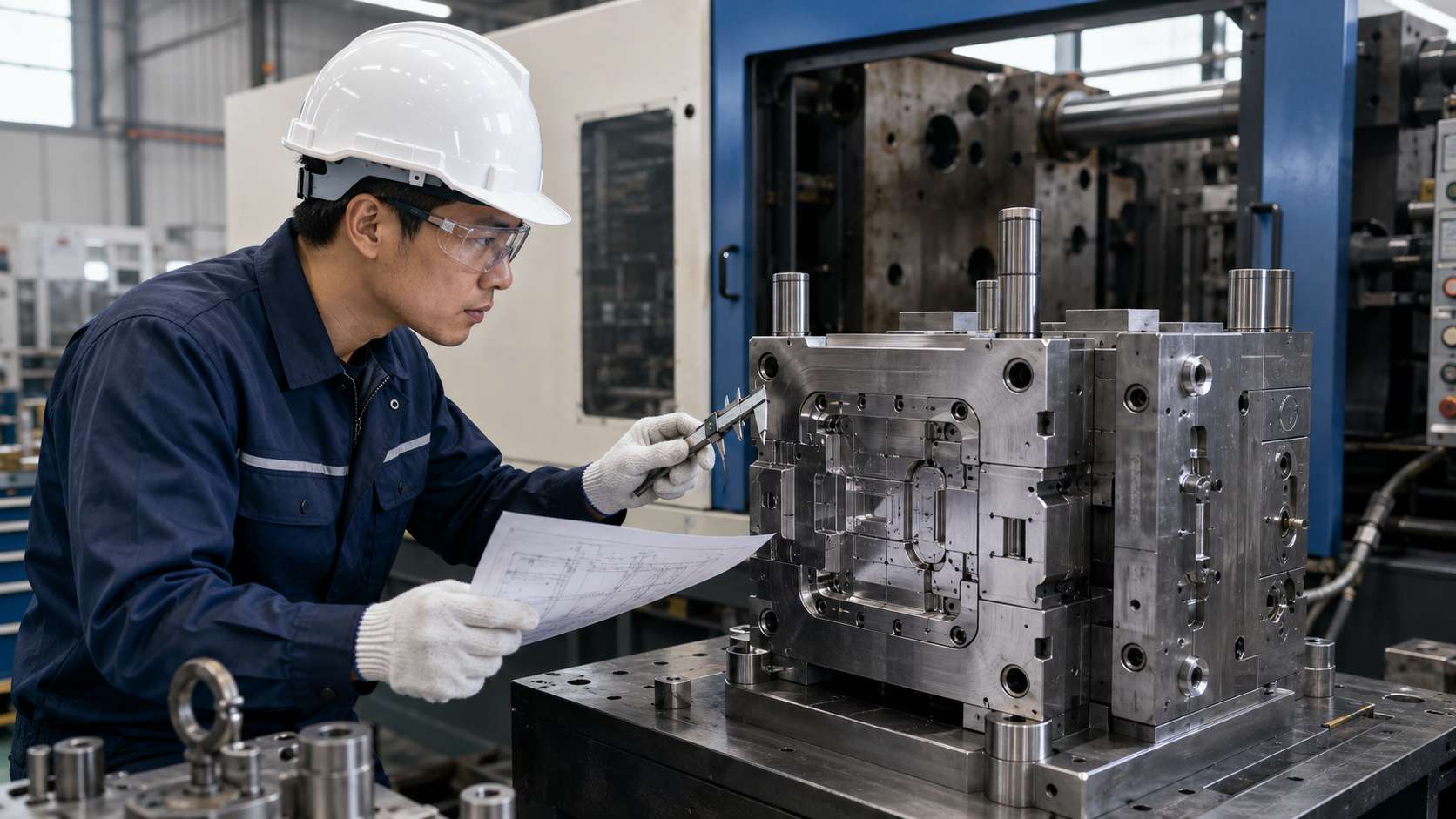
Machine evaluation must also include the mold’s physical dimensions. Even with sufficient tonnage and shot capacity, the mold must fit within the machine’s tie-bar clearance and platen space for safe installation. Overlooking these spatial constraints can delay production or force costly, post-fabrication tooling modifications.
Review the mold’s overall width, length, and thickness. Then, compare these measurements with the machine specifications. It is equally important to verify the ejector stroke to ensure the mold opens fully and ejects the finished component safely. Confirming these dimensions early helps prevent compatibility issues that cannot be resolved by simply selecting a higher-tonnage press.
Next, evaluate the machine’s ability to maintain production independently. Large components often require supporting equipment throughout the production process. A high-tonnage machine cannot achieve efficient production if operations cannot accommodate the finished part’s size or handling requirements. Product developers should assess the entire manufacturing process line before approving production.
One way to evaluate the production line is to observe how large components move through each stage of manufacturing after they leave the molding machine. Oversized parts require more careful handling than standard components because improper handling can introduce deformation before final inspection.
A well-designed production line minimizes unnecessary movement and allows parts to maintain their dimensional accuracy throughout the manufacturing process.
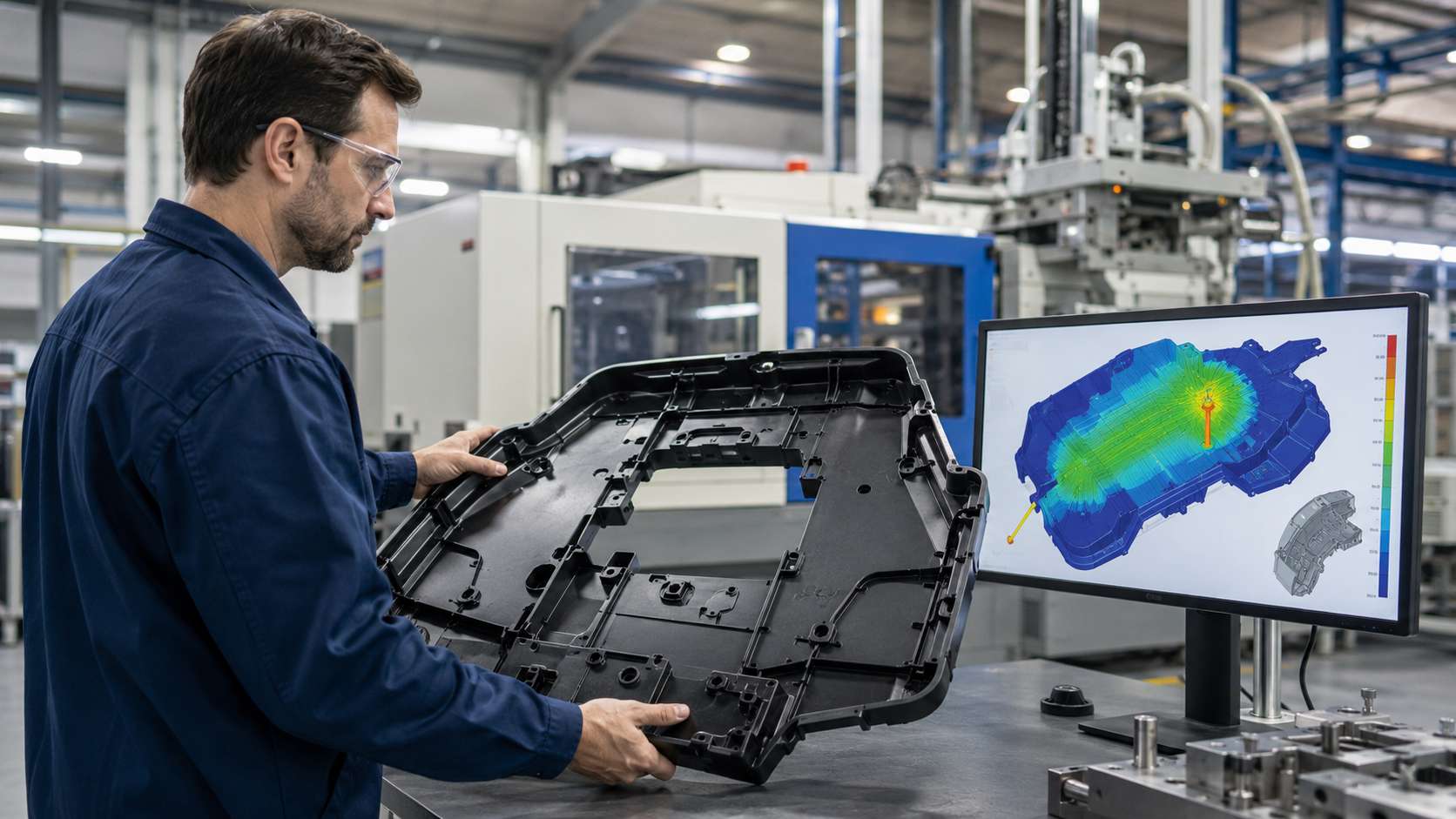
Finally, evaluate whether the part geometry allows the selected machine to consistently fill the mold. High tonnage capacity alone does not guarantee successful molding, as complex features can restrict material flow before the cavity is completely filled. Long flow lengths and abrupt changes in wall thickness all influence the pressure required to produce a complete part.
This is why manufacturers often perform Design for Manufacturability (DFM) reviews and mold flow analyses before tooling begins. These engineering evaluations simulate how the selected resin fills the cavity, allowing engineers to identify pressure imbalances before steel is cut. Resolving these issues during the design stage produces a component that can be molded consistently without relying on excessive injection pressure.
If you’re seeking a manufacturing partner with proven high-tonnage injection molding capabilities, Richfields Corporation offers cost-efficient services for large, complex plastic components. Our advanced manufacturing capabilities help product developers achieve consistent product quality while meeting demanding production requirements.
Backed by decades of manufacturing experience, our engineering team works closely with every client to provide practical technical support from mold development through full-scale production.
When product development managers know how to evaluate high-tonnage injection molding capacity for large components, they can select the exact manufacturing solutions that align with their project’s technical and production requirements. A thorough evaluation prevents costly production issues that may only become apparent after tooling has begun.
Richfields Corporation helps manufacturers make these decisions with greater confidence through cost-efficient injection molding services with guaranteed quality. Our team works closely with clients to develop practical production solutions that maintain consistent quality throughout every stage of manufacturing. Contact us today to discuss your project and learn how we can support your next production plan.
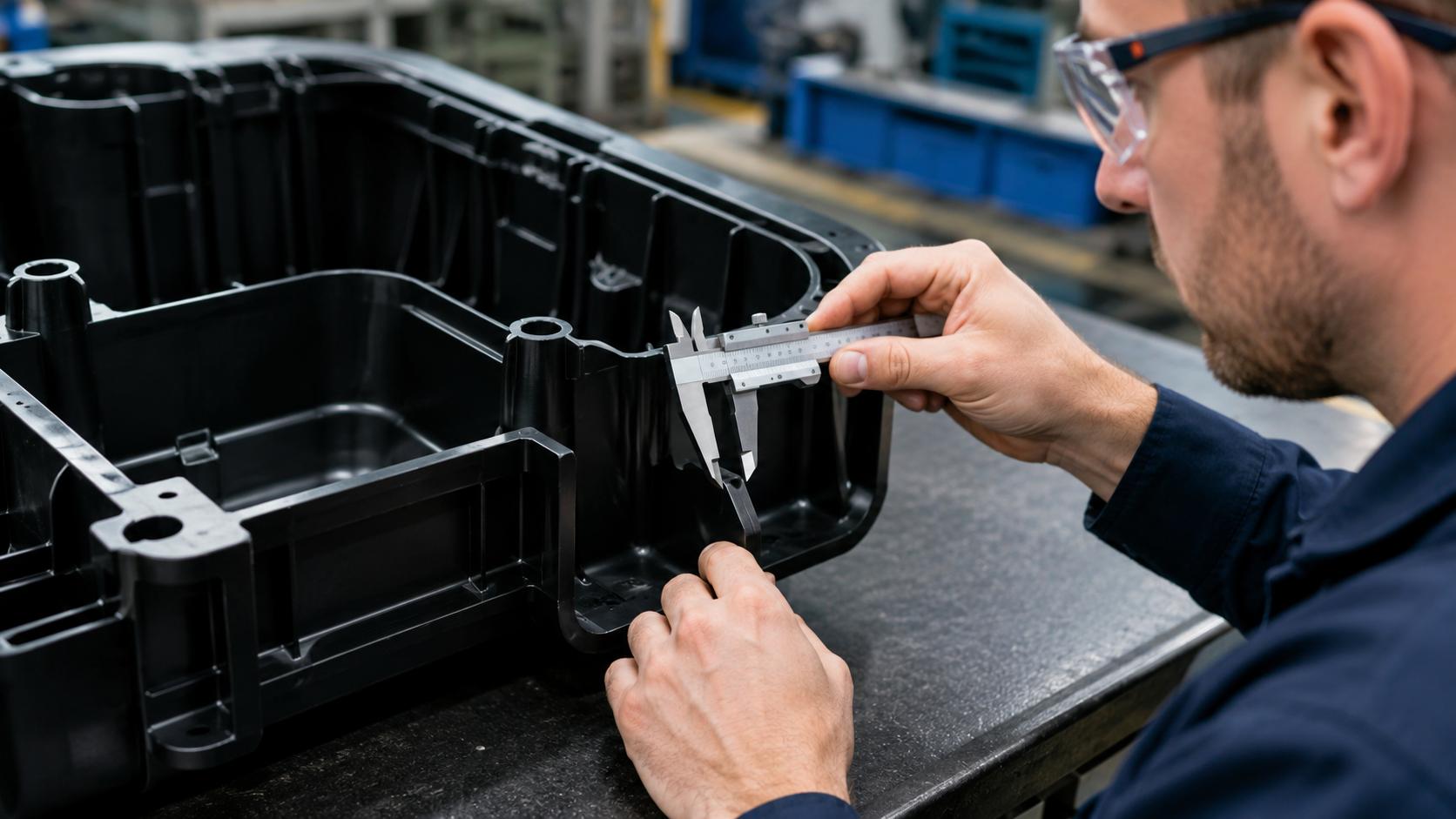
Learn the key wall-thickness guidelines for large injection-molded components that product developers must follow to optimize part performance.
Read more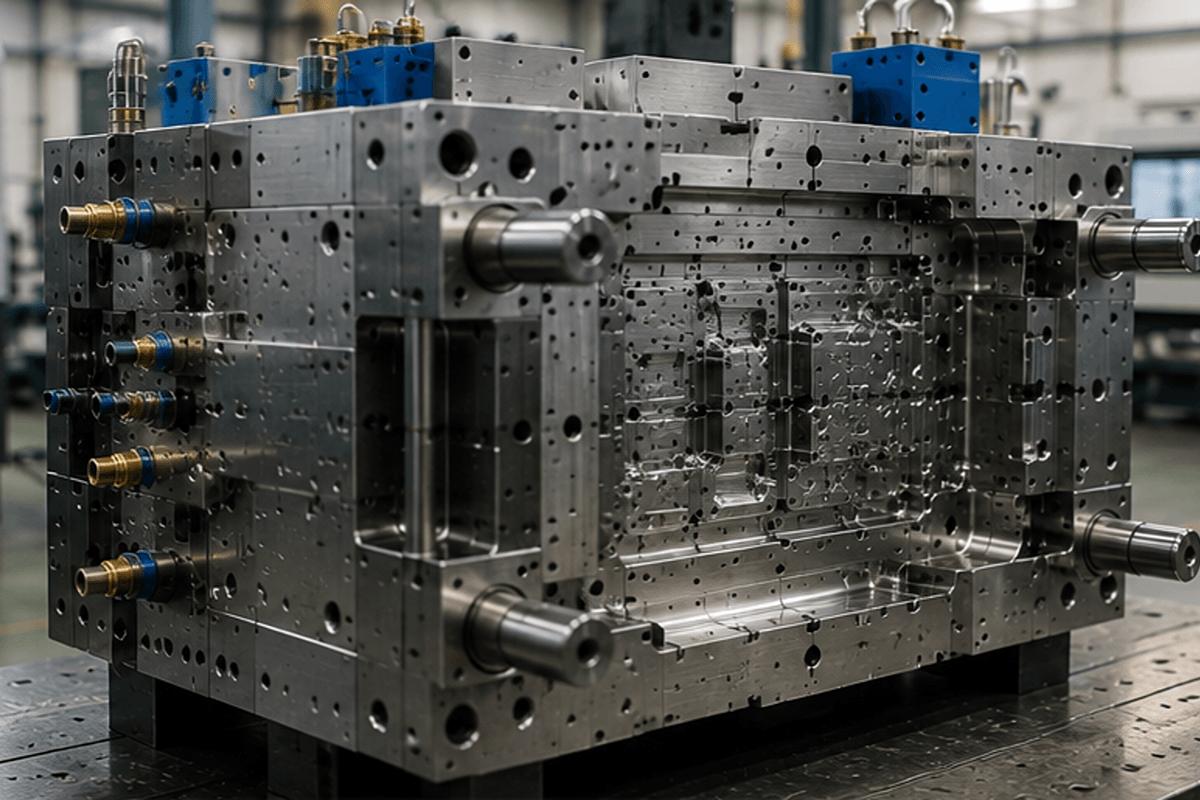
Learn practical ways to assess tooling quotes from injection molding service providers in China for better sourcing decisions and long-term production value.
Read more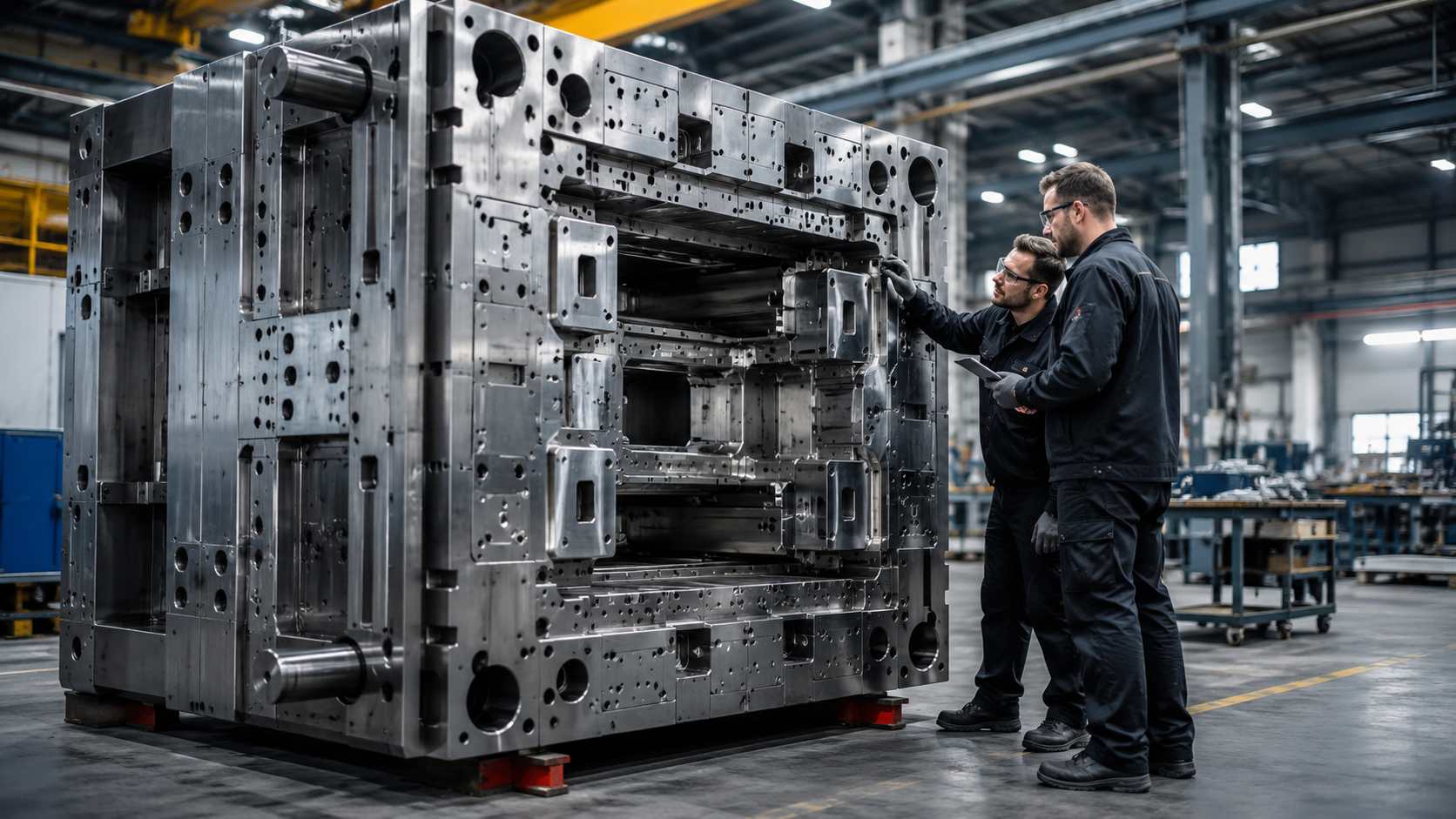
Discover the real cost drivers behind large-part injection mold tooling to understand what influences tooling investment before requesting quotations.
Read more
Prevent defects in large injection molded parts by controlling cooling, material flow, tooling design, and process conditions from the start.
Read more