June 5, 2026
The Real Cost Drivers Behind Large Part Injection Mold Tooling
Overview
- The cost of large-part injection mold tooling depends on critical engineering decisions, not just part size.
- Key cost drivers include mold base size, tool steel quality, extended CNC machining hours, part complexity requiring specialized internal mechanisms, multi-cavity or hot-runner system configurations, and the demand for strict dimensional precision.
Securing an accurate tooling budget requires more than comparing quotations. The real cost drivers behind large-part injection mold tooling stem from several important engineering decisions made long before production begins. Rather than viewing pricing as a fixed number, it’s more effective to understand how these technical requirements shape the final investment.
Large-part tooling introduces challenges that all influence manufacturing costs in different ways. By understanding these variables, procurement officers can work with experienced manufacturing partners like Richfields Corporation to balance quality and long-term production value. Continue reading to learn more.
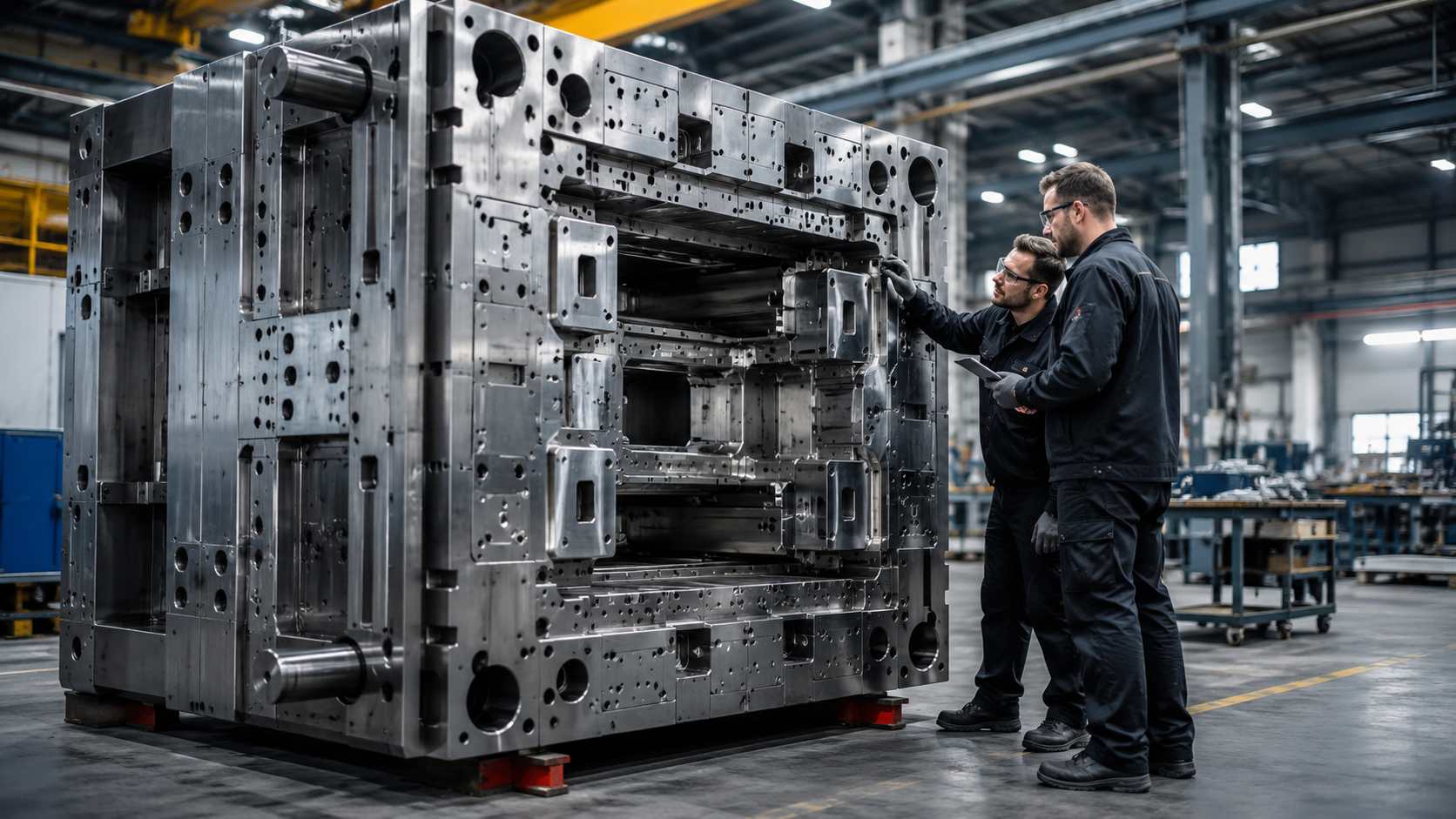
The size of the mold itself is one of the earliest factors that determine tooling costs. Larger plastic components require substantially larger mold bases and greater volumes of hardened tool steel, increasing both raw material costs and manufacturing complexity. As mold dimensions grow, supporting components such as guide pillars, ejector systems, and cooling channels must also be scaled accordingly.
Because large molds must withstand high injection pressures and repeated production cycles without warping, premium-grade tool steel is practically required to maintain dimensional stability. While these high-quality materials increase the upfront investment, they save money over time by extending the mold’s service life and lowering maintenance costs.
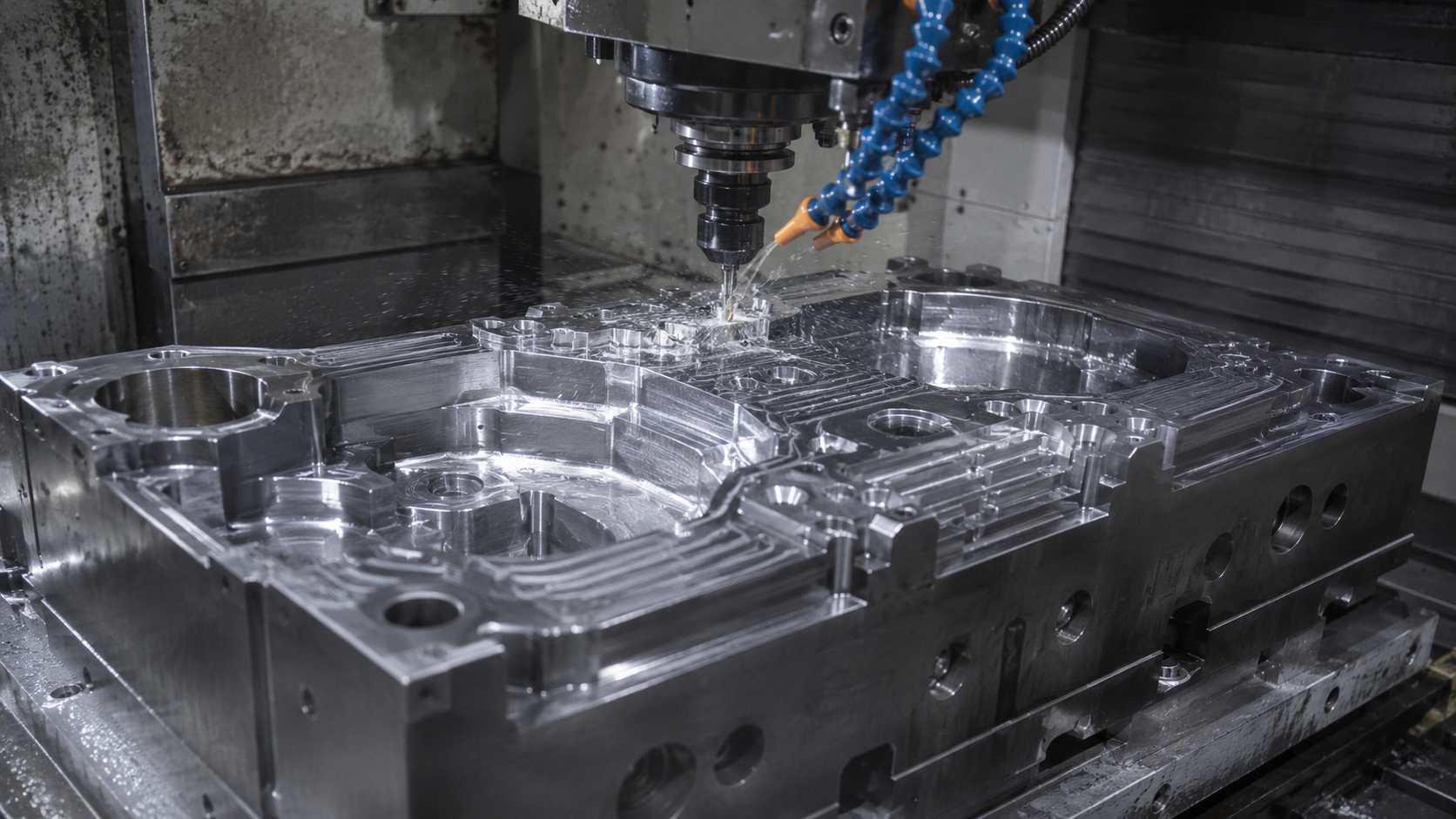
Even with advanced CNC equipment, machining large molds requires considerably more production hours than standard tooling. Larger steel blocks demand longer cutting cycles and multiple finishing operations before each mold can be approved for production. These extended manufacturing processes directly increase labor and equipment costs.
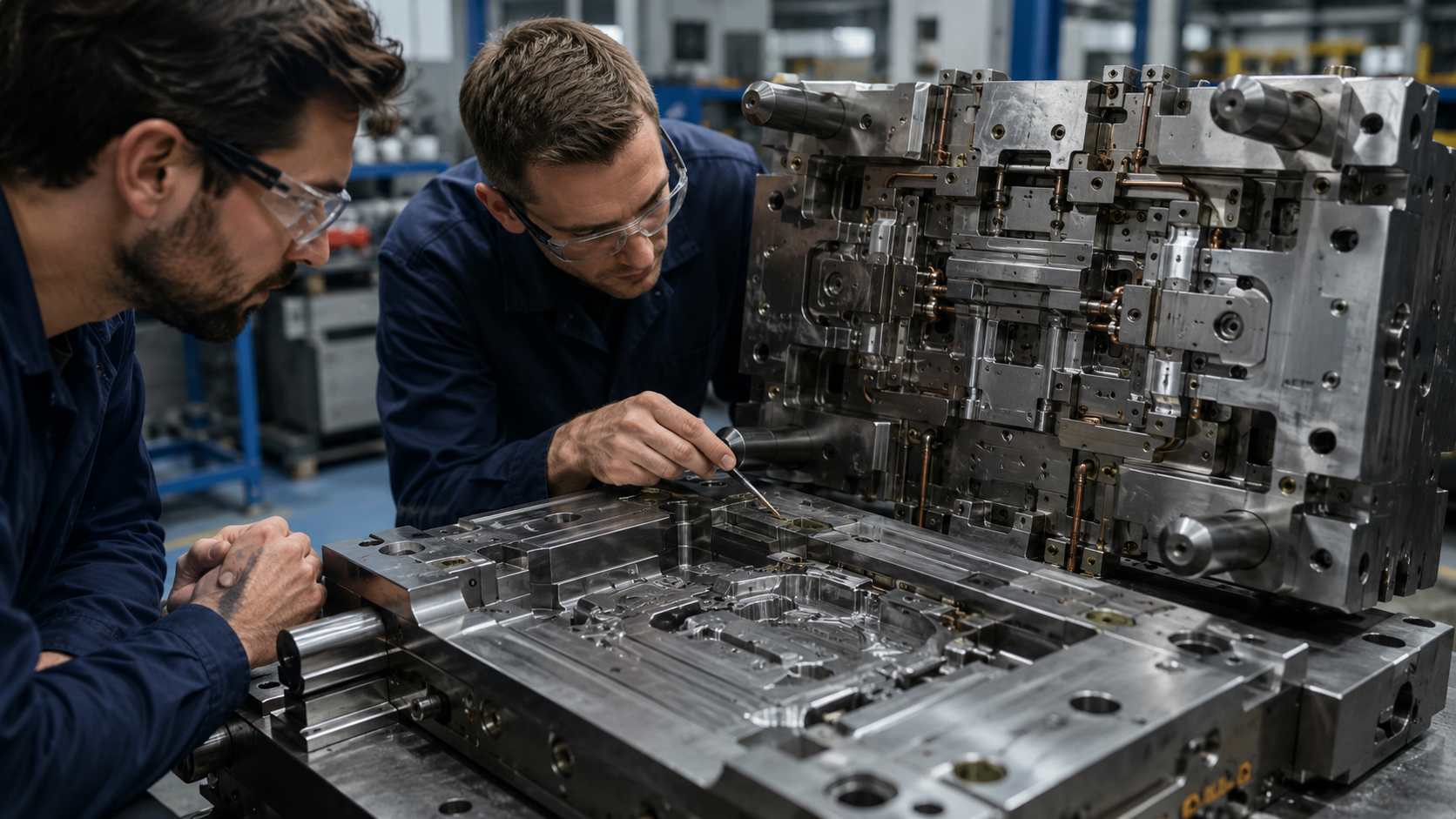
Skilled labor contributes just as much to the value of tooling as machinery does. Mold makers must assemble complex mold systems and perform manual fitting where automated machining alone cannot achieve the required precision. Investing in experienced engineering teams is key to minimizing costly revisions later in production while improving long-term mold performance.
A large mold does not automatically become expensive because of its size alone; complex part geometry often has an even greater impact on tooling costs. Features such as deep ribs and intricate internal structures require specialized mold mechanisms, increasing both design effort and manufacturing time. Each additional moving component introduces another level of engineering complexity.
These mechanisms must operate reliably over thousands of production cycles while maintaining precise alignment throughout the molding process. Designers frequently incorporate sliders and collapsible cores to produce features that cannot be released through conventional mold opening. The more sophisticated the internal mold architecture becomes, the greater the investment required to build and validate the tooling.
Production strategy can significantly influence tooling investment before manufacturing can even begin. Selecting the number of cavities and deciding whether to incorporate a hot runner system simultaneously affect mold size and production efficiency. These decisions should always reflect long-term production goals alongside the initial tooling cost to better gauge the final price.
Multi-cavity molds increase output by producing several parts during each molding cycle, although they require more complex engineering and tighter process control. Hot runner systems eliminate runner waste while improving material utilization and cycle consistency, but they also add specialized components that increase tooling costs. For high-volume manufacturing, these systems often deliver measurable savings over the life of the production program.
Higher dimensional accuracy requires substantially greater investment throughout mold design and manufacturing. Tight tolerances demand precision machining. Careful process validation and extensive quality verification before production begins. These additional requirements naturally increase tooling costs but reduce variation during manufacturing.
Precision requirements also influence mold maintenance throughout its service life. Even minor wear can affect critical dimensions, making preventive maintenance essential for consistent production quality. This level of precision often justifies the additional tooling investment, as it protects downstream assembly performance.
With more than two decades of experience serving global OEMs across multiple industries, Richfields Corporation provides complete, under-one-roof manufacturing solutions from design consultation to mold fabrication. By combining advanced engineering, in-house tooling, and large-scale injection molding expertise, our team works closely with clients to optimize part designs for production efficiency.
The result is a cost-effective, reliable tooling solution for even the most complex plastic components.
The real cost drivers behind large-part injection mold tooling reflect far more than the size of the finished product. Factors such as material selection and mold complexity all contribute to the final investment. By evaluating these factors together, procurement teams can make smart sourcing decisions that support both manufacturing performance and long-term value.
Working with an experienced mold manufacturer makes it easier to balance technical requirements with commercial objectives. Richfields Corporation delivers engineering expertise and comprehensive manufacturing support to help businesses achieve reliable production without unnecessary tooling costs. Contact us today to develop a tooling solution for your project.
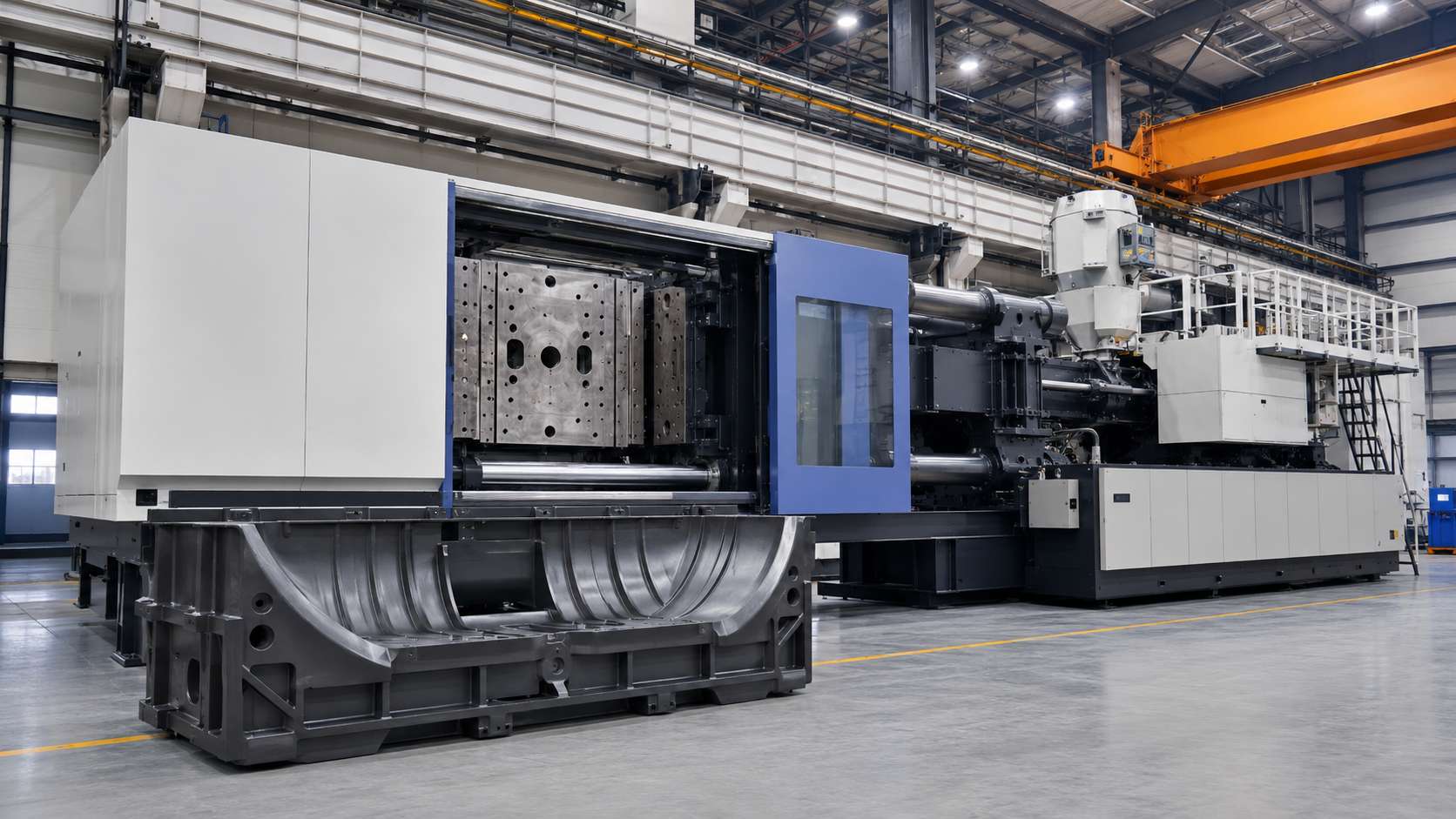
Learn how to evaluate high-tonnage injection molding capacity for large components using key engineering factors for reliable, efficient production.
Read more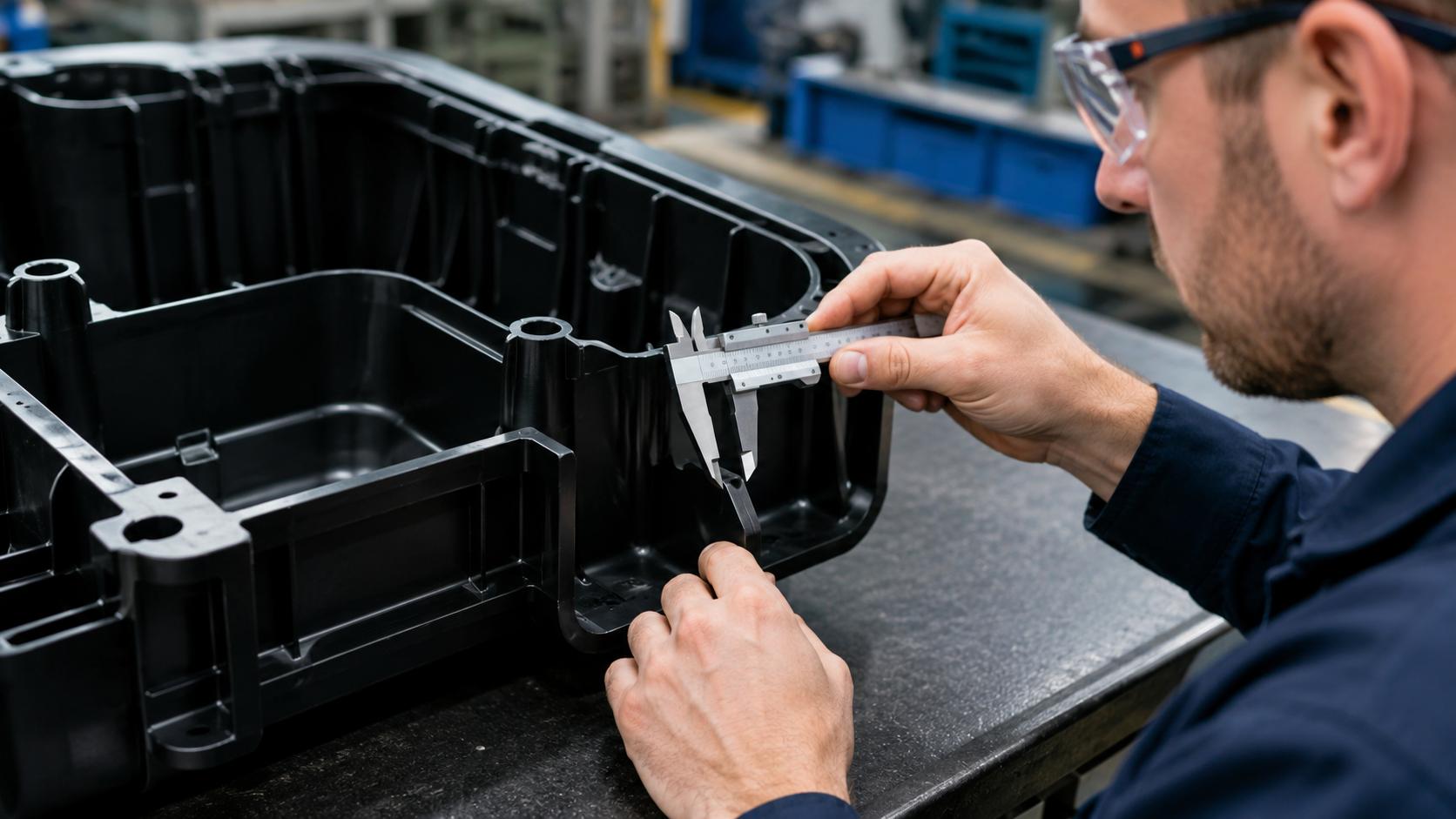
Learn the key wall-thickness guidelines for large injection-molded components that product developers must follow to optimize part performance.
Read more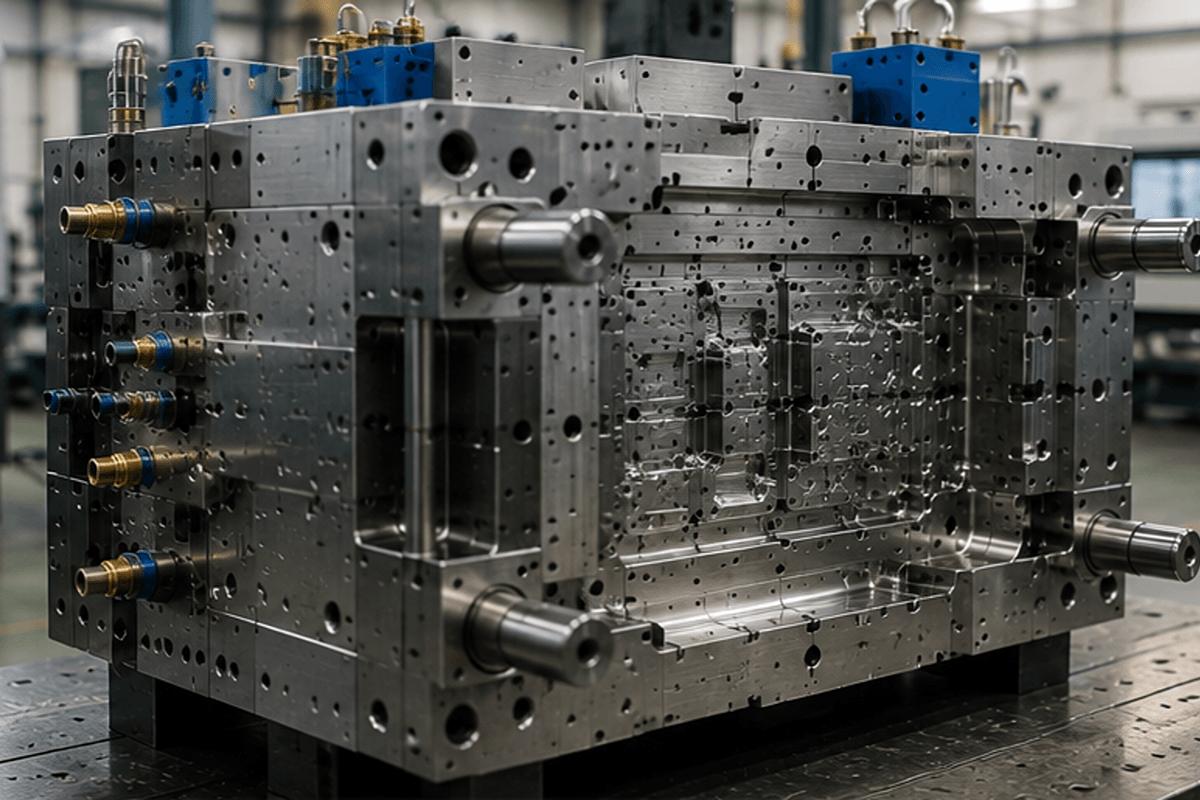
Learn practical ways to assess tooling quotes from injection molding service providers in China for better sourcing decisions and long-term production value.
Read more
Prevent defects in large injection molded parts by controlling cooling, material flow, tooling design, and process conditions from the start.
Read more