April 25, 2026
Is Injection Molding from China Reliable for OEM Production?

Overview
- Injection molding in China has become a reliable option for OEM production due to advanced tooling capabilities, scalable manufacturing, and competitive costs.
- Many providers now operate modern, certified facilities that support high-volume, precision projects across industries.
- While risks such as IP protection and quality control exist, careful supplier selection and robust processes ensure efficient, high-quality, and faster product development outcomes.
Bringing a product from concept to production requires careful decisions that affect quality, cost, and success. Many manufacturers now turn to China for injection molding due to its advanced manufacturing capabilities.
So, is injection molding from China reliable OEM production? Yes. Many providers operate automated facilities, hold international certifications, and deliver complex, high-quality tooling solutions.
Richfields supports this capability through advanced injection molding, precision tooling, and scalable production systems, helping global OEM partners achieve reliable, efficient product development.

China’s strong OEM manufacturing capability is supported by an extensive distributor network, advanced logistics, modern tooling, and skilled engineering talent. Industry reports also recognize it as a leading global exporter of plastic materials and molded components across automotive, medical, electronics, and consumer goods sectors.
Its mature injection molding industry enables the integration of mold development, production, assembly, and quality control within a single system. This vertical integration improves efficiency, reduces lead times, and ensures consistent quality at scale.
Companies like Richfields reflect these strengths by providing end-to-end injection molding solutions that combine tooling, production, and quality management to support efficient and scalable OEM manufacturing.
Finding the right associate is not only about the pricing structure; it’s also about production reliability, engineering support, and long-term scalability.
China offers more competitive mold production due to its strong supply chains, advanced machining capabilities, and high-volume capacity. Lower costs also make prototyping and design iteration more flexible before full-scale production.
The industry supports precision manufacturing across sectors, with experience in complex parts and engineered materials. Production can be efficiently scaled using multi-cavity molds and high-capacity machines while maintaining consistent quality.
Integrated services for tooling, molding, and assembly help shorten production cycles. Combined with strong infrastructure and global logistics, this enables faster turnaround and quicker market delivery.
Although China offers superior manufacturing, sourcing overseas also presents challenges that require careful supplier evaluation and planning. Understanding these risks early allows OEM teams to build safeguards that protect product quality, intellectual property, and project timelines.
Sharing CAD files, tooling specifications, and technical drawings without safeguards may expose businesses to unauthorized replication. To reduce this risk, companies should work with suppliers that provide confidentiality agreements, controlled file access, and clear operational policies, supported by proper legal protection before production begins.
Material substitutions can significantly impact product performance, particularly for components requiring specific strength, flexibility, or thermal properties. OEM teams should define approved materials in production agreements, request certifications when needed, and conduct regular quality checks to ensure consistency throughout manufacturing.
While many manufacturers maintain high standards, lower-tier facilities may lack proper process control or quality systems. Conducting supplier audits, reviewing past projects, and verifying certifications such as ISO standards help ensure that partners are reliable. Selecting based on price alone can increase production risk.
Time zone differences, unclear documentation, and inconsistent updates can affect project coordination. These issues can be minimized by establishing structured communication processes, assigning dedicated project managers, and using centralized platforms to ensure clear, timely, and consistent information flow.

Successful OEM sourcing relies on preparation, documentation, and the selection of a trustworthy provider. Clear expectations and strong communication help minimize production difficulties and enhance project efficiency.
When asking “Is injection molding from China reliable OEM production?” the answer ultimately depends on choosing a partner, building clear production policies, and maintaining strong communication throughout the process. With China’s advanced tooling capabilities, production systems, and mature infrastructure, companies can gradually develop.
At Richfields, we assist global OEM brands with injection molding services through a single system. With a commitment to adequacy, continuity, and scalable creation, we support businesses bringing products to market with greater confidence. Reach out to us today to learn more.
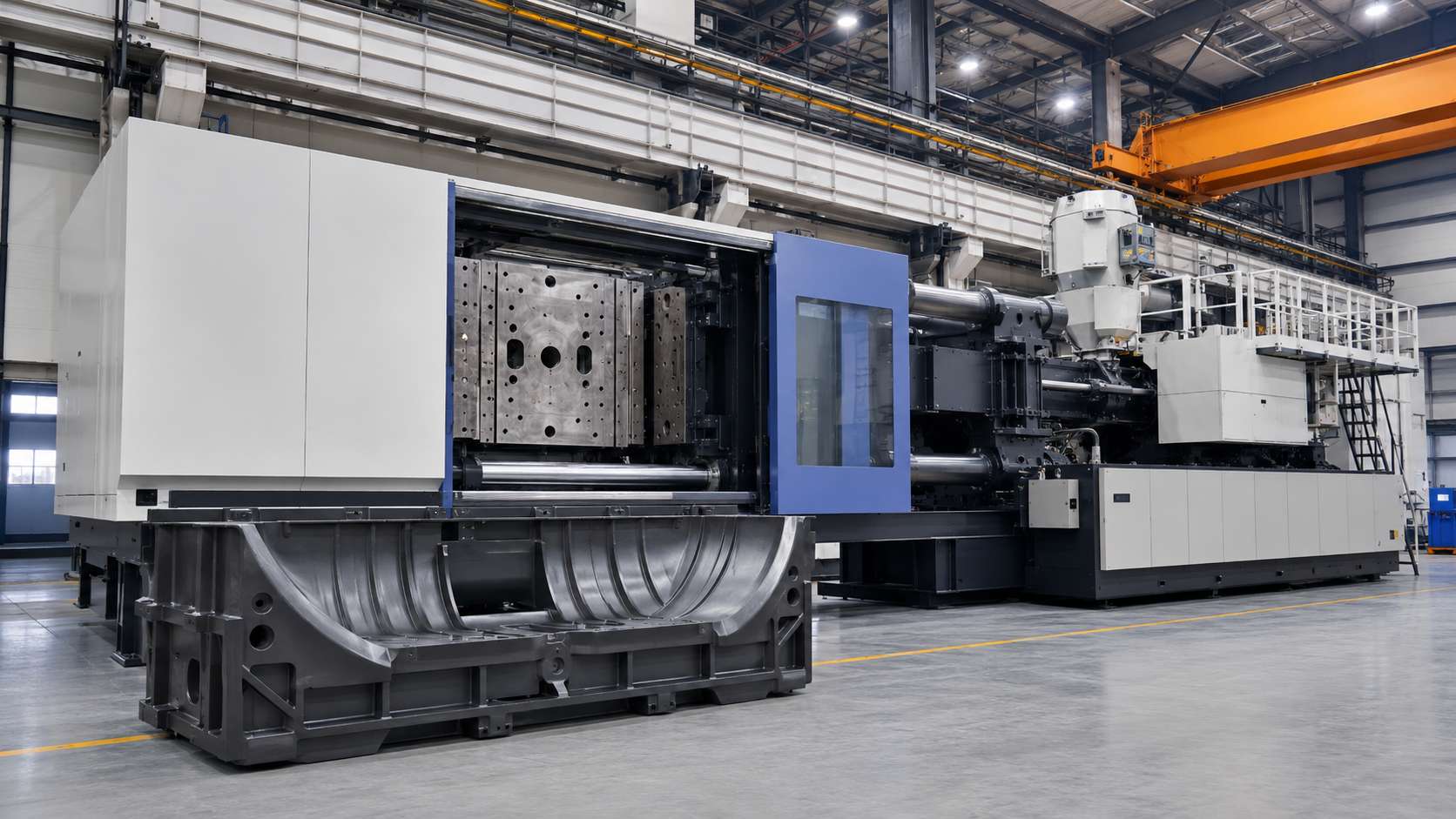
Learn how to evaluate high-tonnage injection molding capacity for large components using key engineering factors for reliable, efficient production.
Read more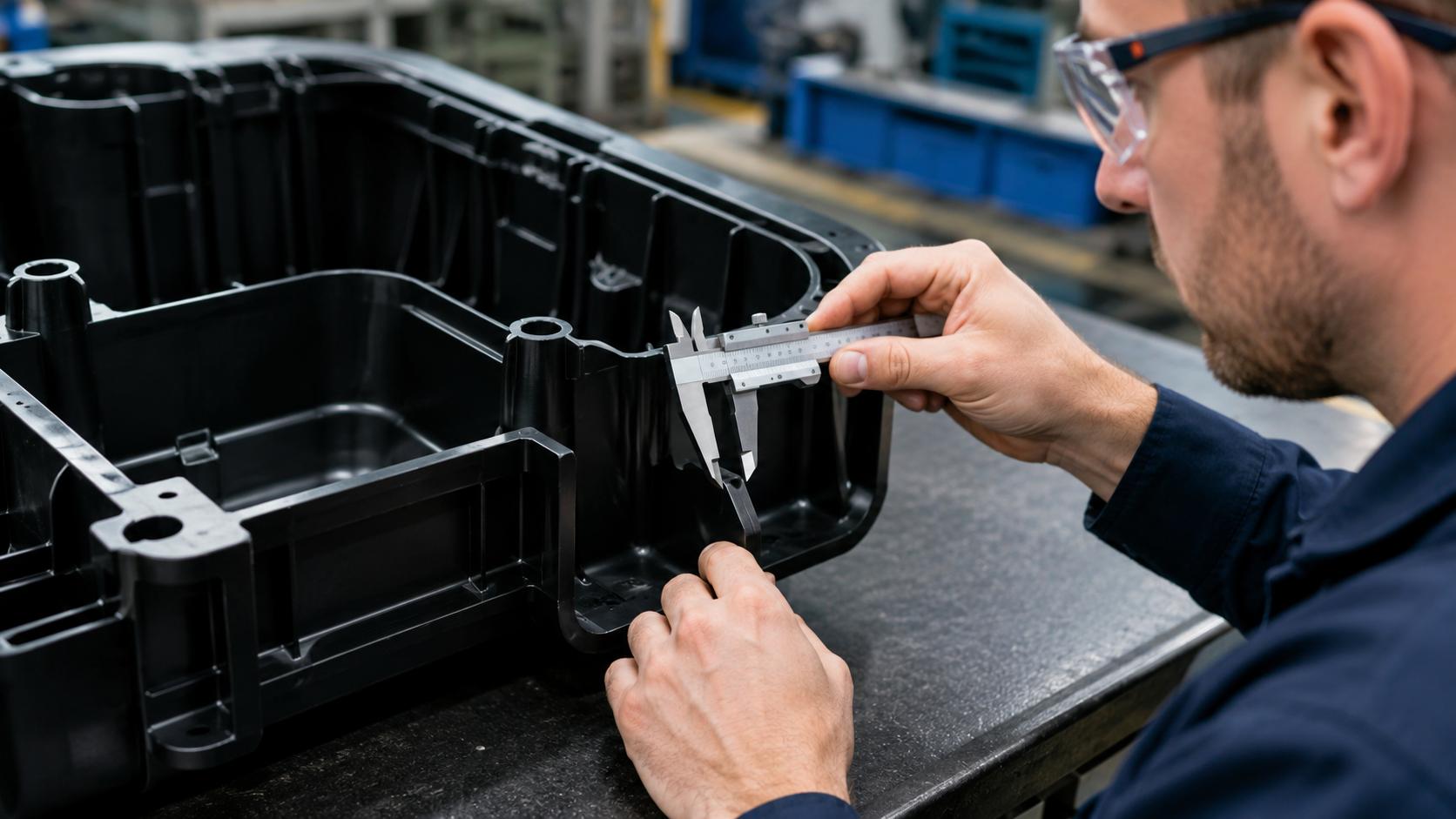
Learn the key wall-thickness guidelines for large injection-molded components that product developers must follow to optimize part performance.
Read more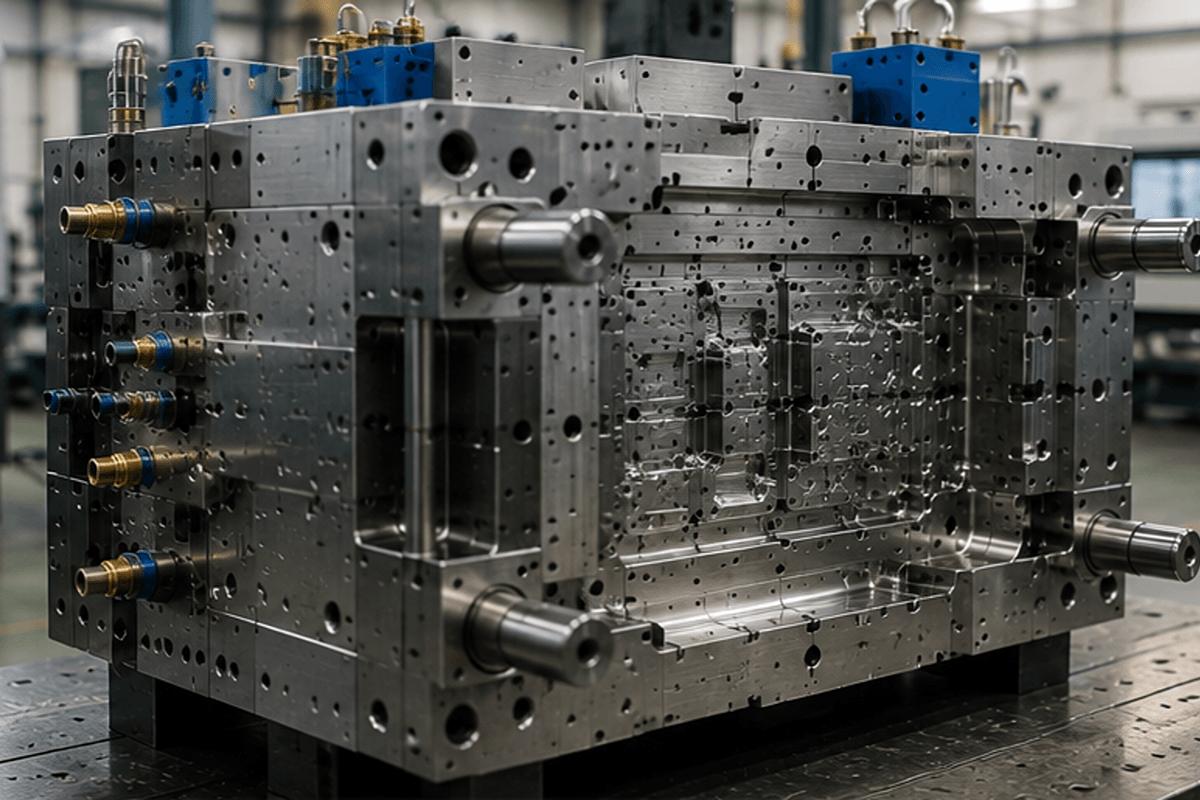
Learn practical ways to assess tooling quotes from injection molding service providers in China for better sourcing decisions and long-term production value.
Read more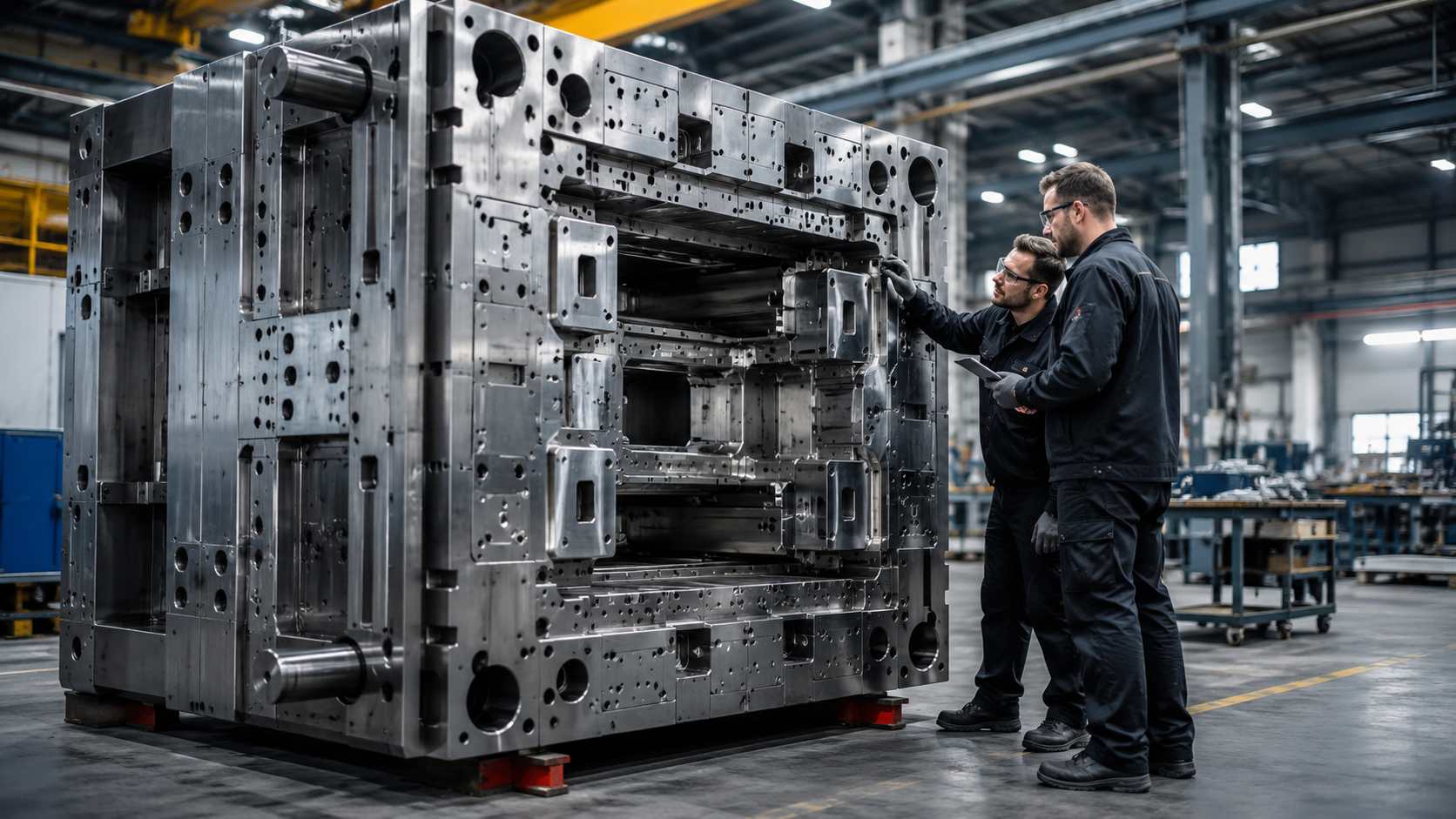
Discover the real cost drivers behind large-part injection mold tooling to understand what influences tooling investment before requesting quotations.
Read more