February 28, 2026
Discover Preventative Maintenance Tips for Large Injection Molds
Overview
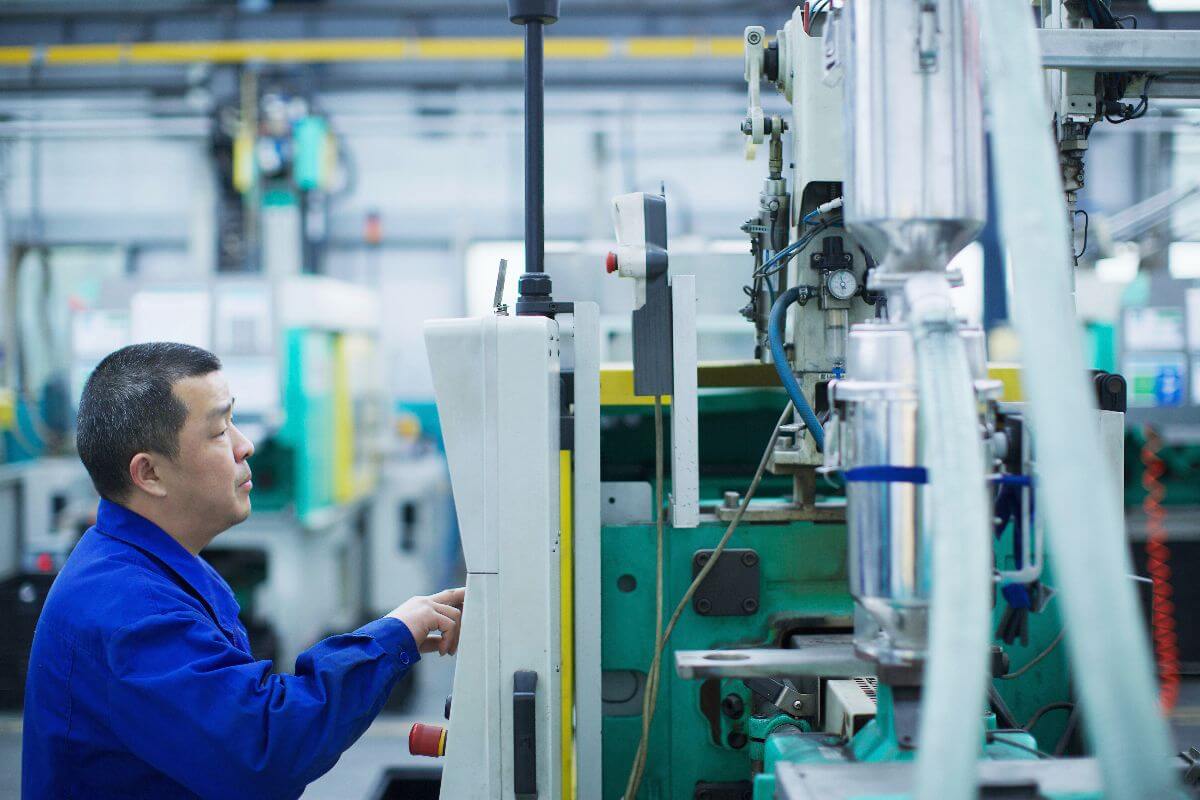
- Large injection molds are essential assets in manufacturing, and maintaining them properly ensures consistent quality and smooth production.
- Regular preventive maintenance, including daily cleaning, scheduled inspections, lubrication, and proper storage, extends mold lifespan and reduces downtime.
- By following these strategies, you can optimize mold performance, anticipate potential issues, and maintain reliable production efficiency.
Injection molds are critical assets in manufacturing, especially for companies in the USA that rely on consistent, high-quality production. Large injection molds, in particular, are complex tools that require careful attention to maintain peak performance and reliability.
Ensuring their longevity and optimal operation is key to keeping production schedules on track, minimizing unexpected downtime, and controlling costs. By proactively addressing minor issues before they escalate, you protect both equipment and output quality.
In this article, we’ll take a closer look at some preventive maintenance tips for large injection molds that help extend their lifespan, maintain quality, and keep your production schedules on track.
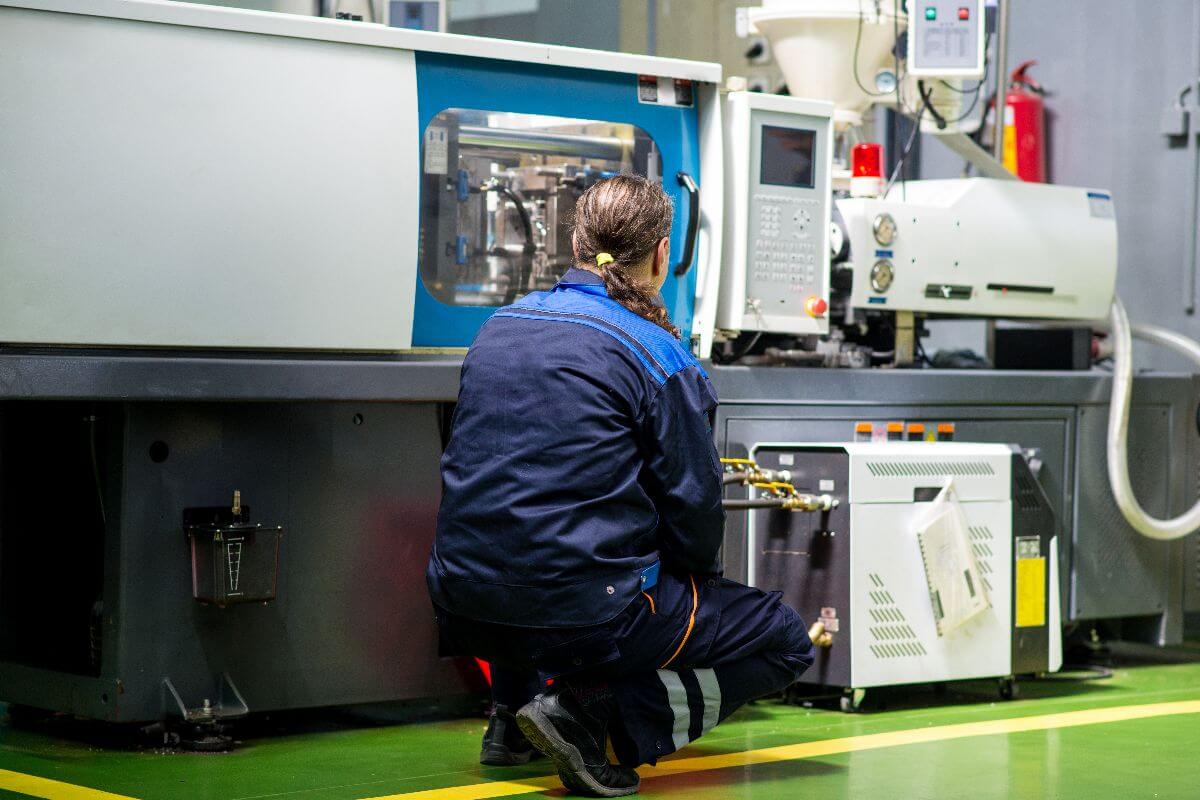
Preventive maintenance is essential for keeping large injection molds operating reliably and maintaining the quality your production depends on. By integrating regular care and inspections, you can support consistent performance and extend the life of your molds without unnecessary stress on operations.
Daily maintenance is critical for keeping your molds in peak condition and preventing minor issues from becoming major disruptions. These practices, when incorporated at the end of each shift or production cycle, help maintain consistent part quality and protect your equipment:
While daily care addresses immediate concerns, routine scheduled maintenance focuses on deeper inspections and servicing to prevent long-term issues. Scheduling these deeper maintenance checks weekly, monthly, or quarterly—depending on production volume and mold complexity—can help you catch potential issues before they affect output:
Even when molds are not in use, proper shutdown and storage practices are important for protecting your investment and preventing corrosion or damage. Following these steps helps ensure molds remain ready for production when needed:
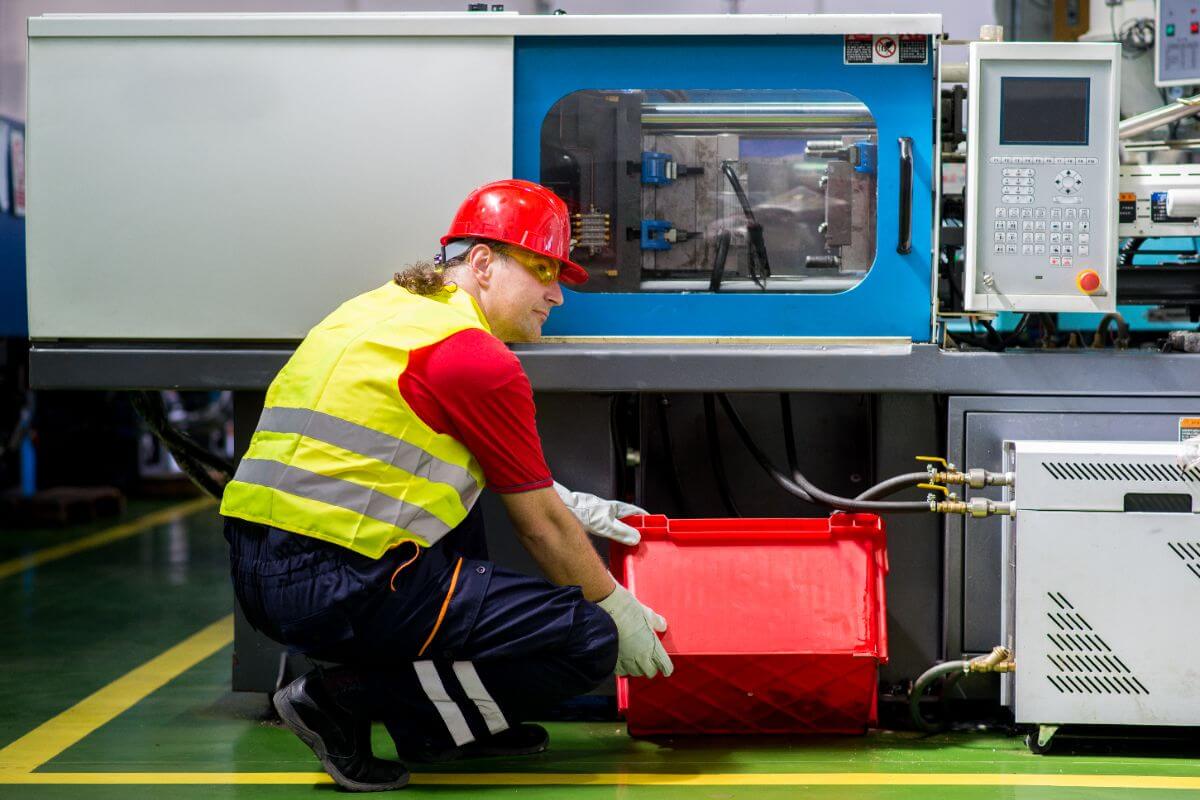
Beyond daily, routine, and storage maintenance, certain best practices can enhance the efficiency and lifespan of your molds. These strategies focus on smarter maintenance management and leveraging technology for better decision-making.
Maintaining a comprehensive record of maintenance activities allows you to analyze trends, identify recurring issues, and plan long-term care strategies. Logging cleaning, inspections, repairs, and replacements helps you make informed decisions about maintenance schedules and supports data-driven improvements over time.
Integrating predictive maintenance technologies, such as sensors, monitoring systems, or performance analytics, provides actionable insights into mold operation and component health. This enables informed adjustments before issues escalate, supporting more efficient resource planning and prolonging mold service life without repeating routine inspection steps.
At Richfields Corporation, we recognize how essential large injection molds are to keeping production smooth and reliable. Our team combines decades of experience with specialized expertise to design, manufacture, and maintain high-quality molds tailored to your unique requirements.
Whether you’re focusing on preventive maintenance, addressing repairs, or exploring advanced upgrades, Richfields provides comprehensive support that helps you maximize mold performance and extend equipment lifespan. By partnering with us, you gain a reliable resource for maintaining consistent production quality and operational efficiency.
With a better understanding of preventive maintenance tips for large injection molds you can now plan strategically for long-term mold performance, anticipate potential issues before they arise, and confidently optimize production processes for greater efficiency and reliability.
For reliable large-scale injection molding solutions, trust Richfields Corporation. Our preventive maintenance tips and expert support help ensure optimal performance and reduce downtime. Contact us today to discuss your project and discover how we can assist your production goals.
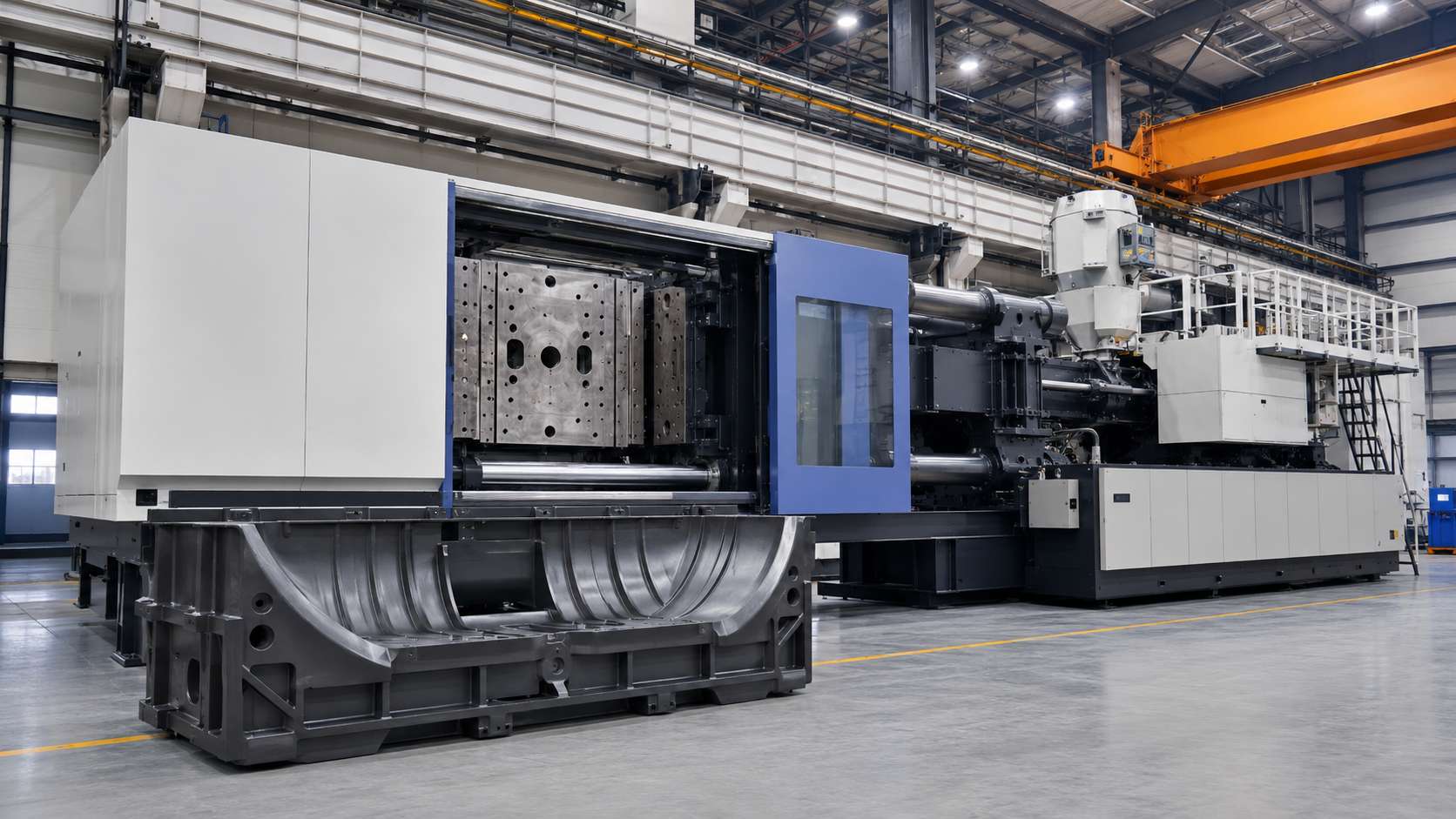
Learn how to evaluate high-tonnage injection molding capacity for large components using key engineering factors for reliable, efficient production.
Read more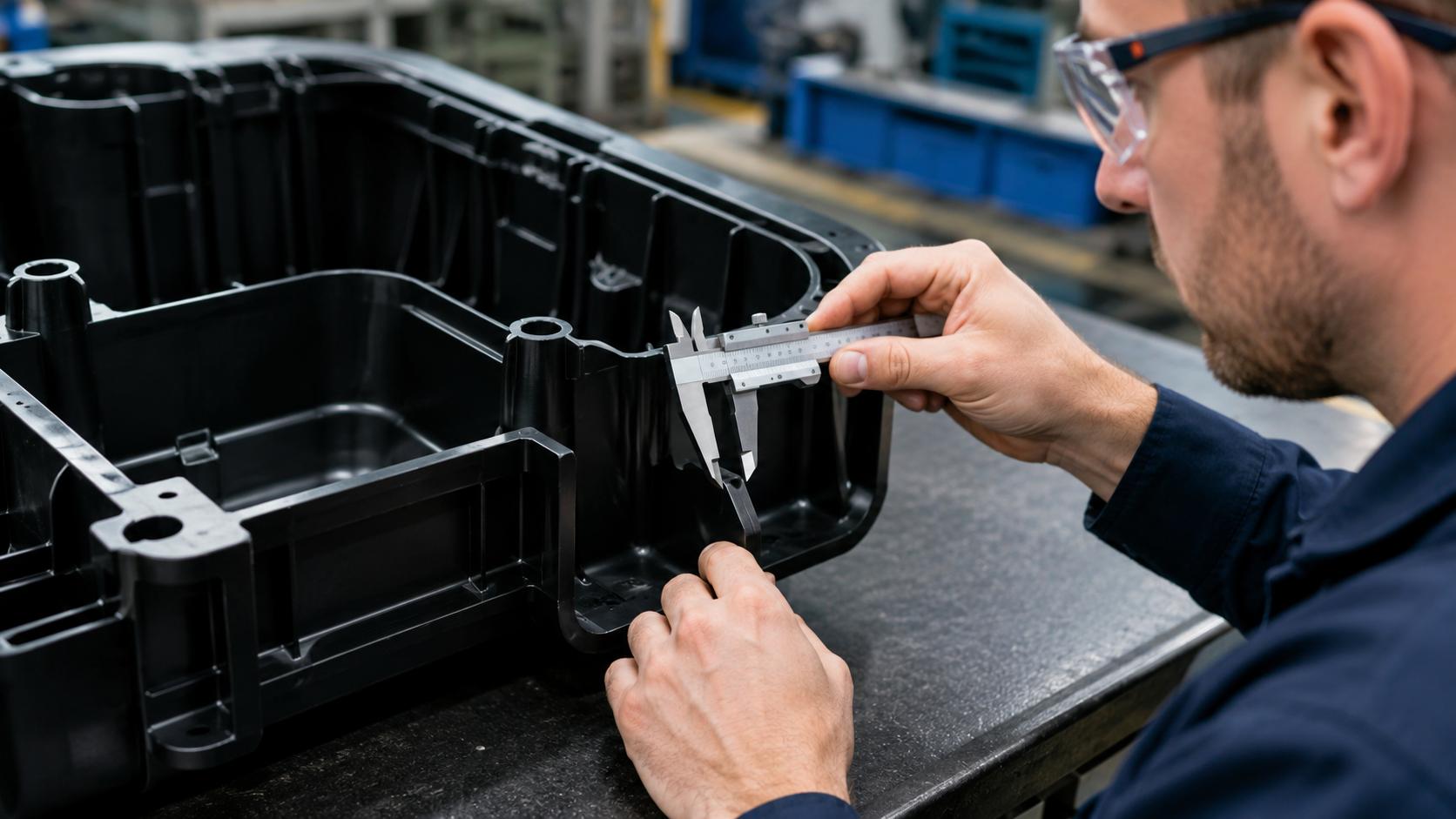
Learn the key wall-thickness guidelines for large injection-molded components that product developers must follow to optimize part performance.
Read more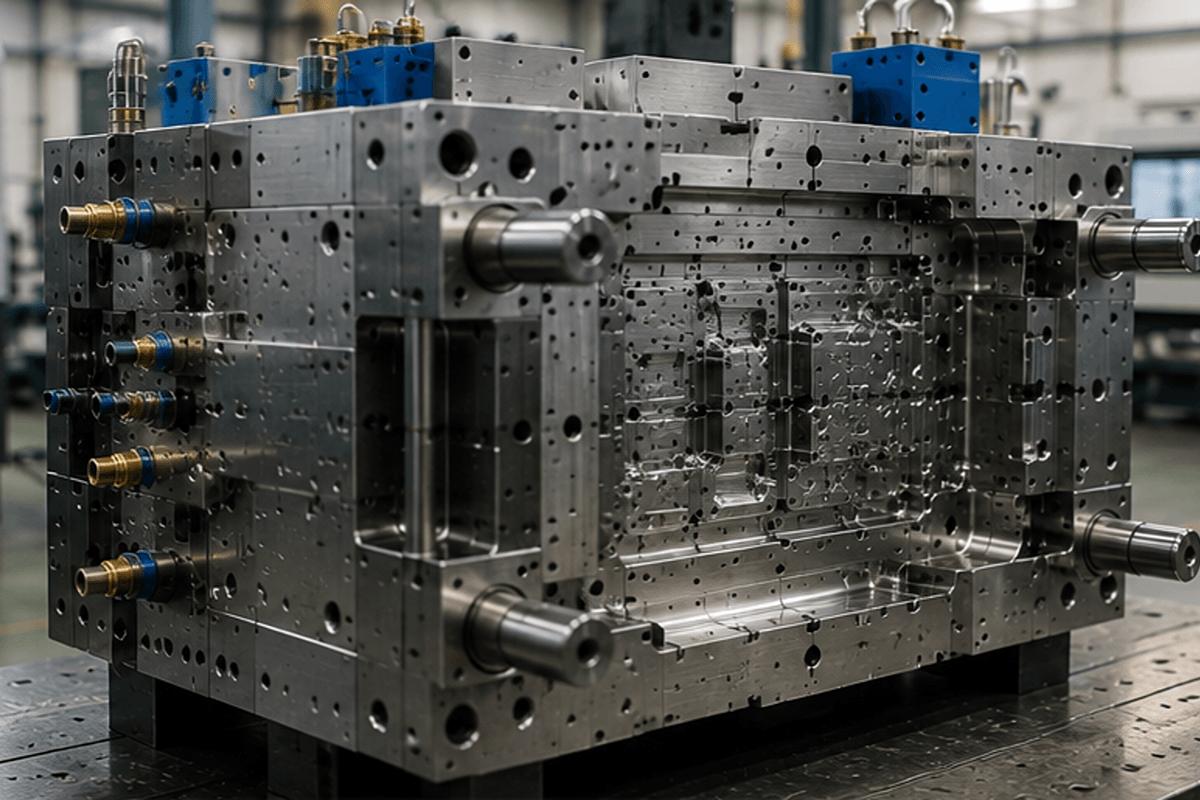
Learn practical ways to assess tooling quotes from injection molding service providers in China for better sourcing decisions and long-term production value.
Read more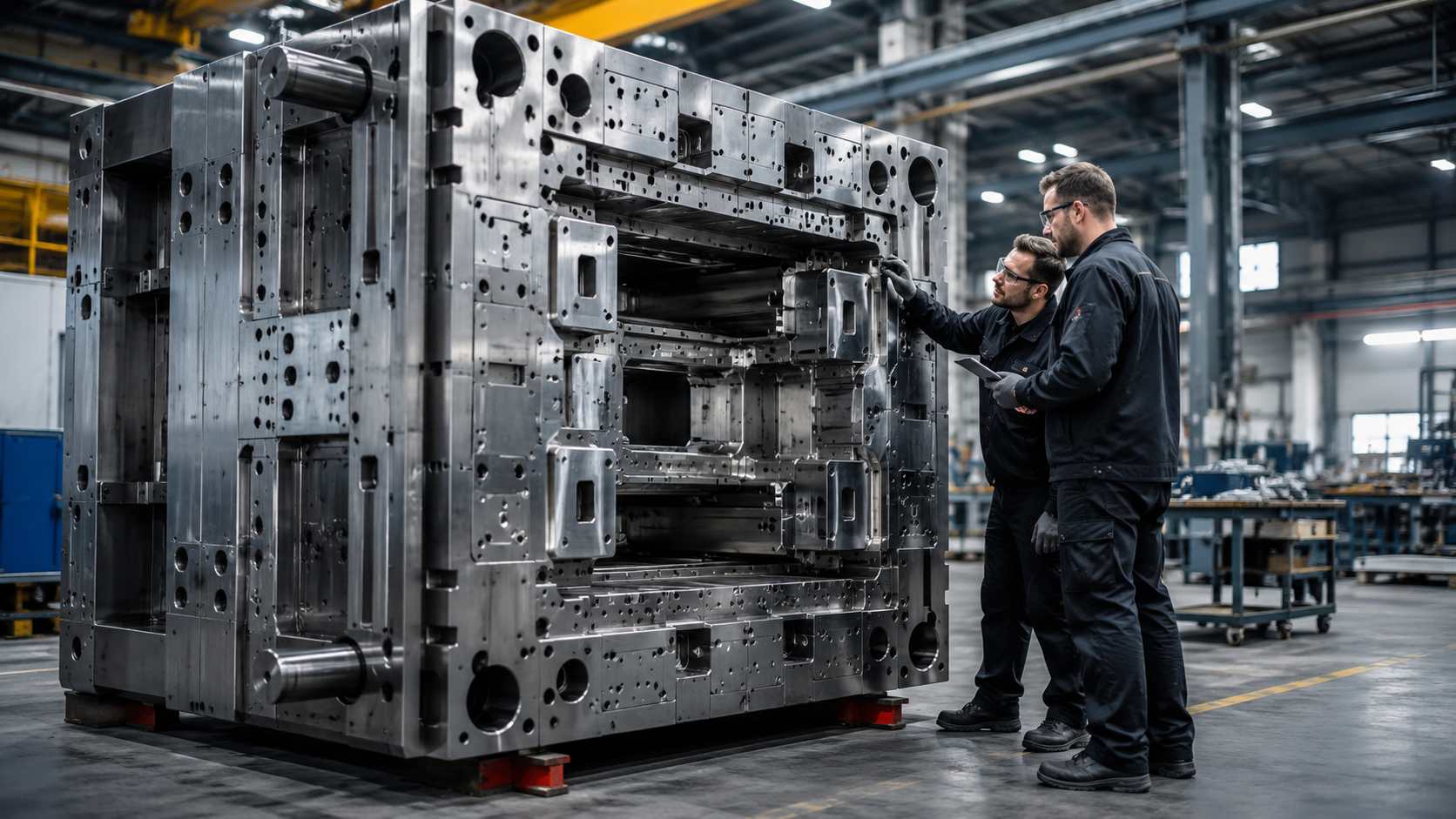
Discover the real cost drivers behind large-part injection mold tooling to understand what influences tooling investment before requesting quotations.
Read more