February 18, 2026
Precision Injection Molding vs. General Injection Molding: What’s the Difference?

Overview
- Precision injection molding delivers tight tolerances, high repeatability, and superior material control for critical industries, while general injection molding focuses on cost-effective, high-volume production with wider tolerances.
- Key differences include tooling precision, machine capability, material selection, and surface quality.
- Choosing between them depends on performance requirements, application demands, and manufacturing scale.
In manufacturing environments, dimensional accuracy determines whether a component performs reliably or fails under pressure. Tight tolerances, especially in critical applications, require specialized processes to consistently produce durable and high-quality parts.
For companies in the USA, understanding the differences between precision injection molding vs. general injection molding is essential when evaluating process control for production runs. This distinction becomes especially important when product performance depends on exact specifications; choosing the molding method is a key engineering decision.
This article provides a clear comparison between the two approaches, outlining their differences and helping determine the most suitable option for large-scale manufacturing.
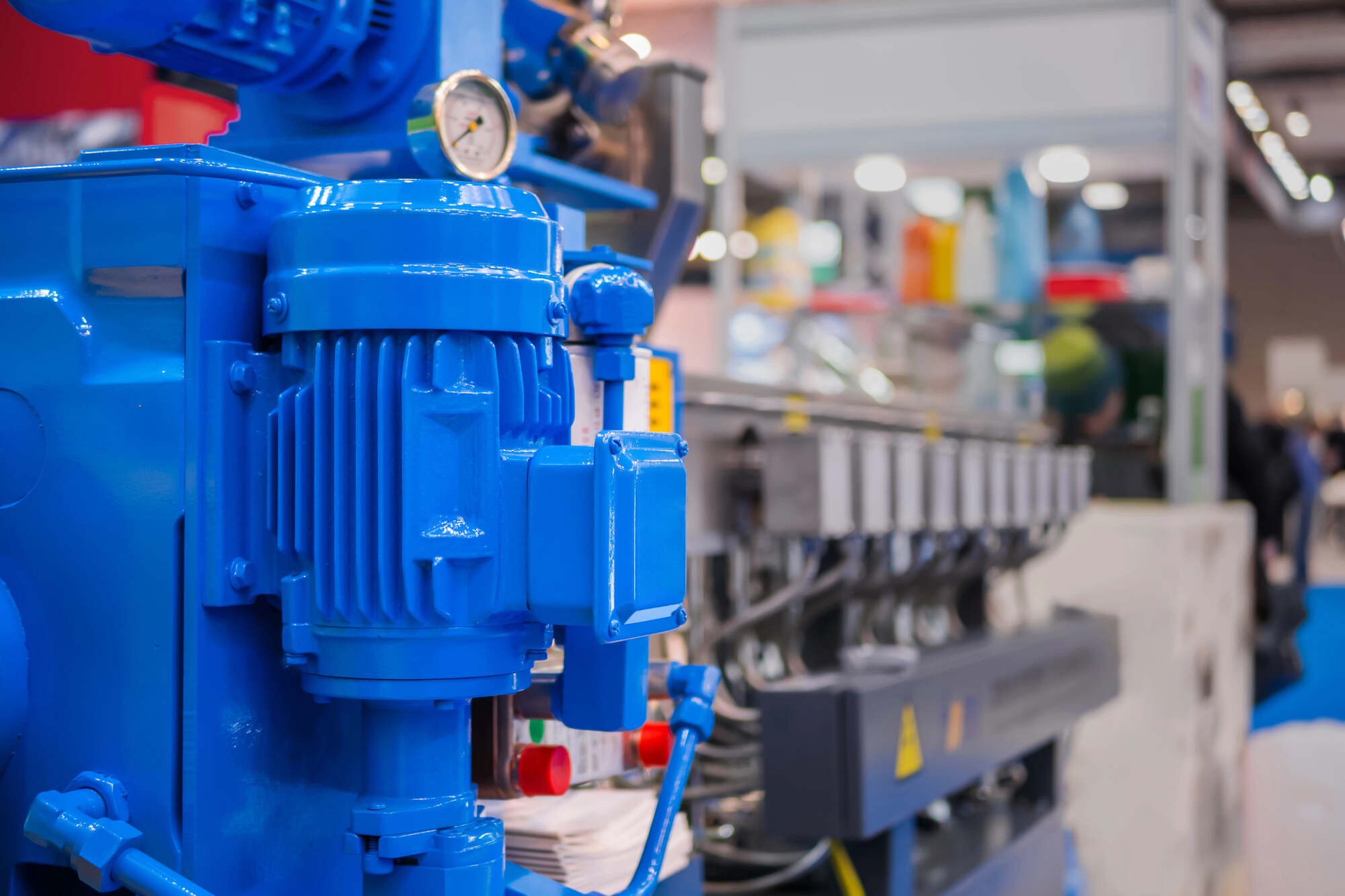
Dimensional accuracy in the injection molding process refers to the precise conformance of a molded part. It must align with the shape and features of the intended design specifications.
Precision injection molding achieves tolerances often in the range of ±0.001 mm to ±0.01 mm (1–10 microns), depending on material, part size, and equipment. This is achieved through advanced process controls like precise temperature regulation and high-stability machines
This one prioritizes repeatability across thousands or millions of cycles, ensuring each part meets exact dimensional requirements with minimal variation.
General injection molding operates within wider tolerance ranges that are acceptable for many consumer and industrial applications. While still capable of producing high-quality parts, the dimensional control is not optimized for micro-level precision.
Slight variations between batches are more common, though typically within functional limits for non-critical components.
Tooling quality and machine capability directly affect part consistency, cycle stability, and repeatability. Differences in mold design and equipment level distinguish precision-focused operations from general production environments. Here’s how:
Tooling for precision molding is manufactured with exceptionally tight machining tolerances and high-grade steel to minimize wear and thermal distortion. Mold designs often incorporate advanced cooling strategies and sensors to maintain consistent cavity conditions.
Machines used in precision applications are typically equipped with closed-loop control systems, enabling real-time adjustments to pressure, temperature, and injection speed.
Tooling for general molding is designed for durability and cost efficiency. Standard machining methods and conventional cooling systems are often sufficient for the intended applications.
While modern machines still provide reliable performance, they may not include the same level of process monitoring or fine-tuned calibration found in precision-focused equipment.
Material behavior plays a crucial role in achieving dimensional targets and long-term stability. The degree of scrutiny applied to resin selection differs significantly between precision and general molding applications.
Material selection in precision molding is highly deliberate. Engineers evaluate shrinkage rates, thermal expansion, and flow characteristics.
Specialty resins, engineered thermoplastics, and reinforced materials are frequently used when precision is critical. High-performance options such as PEEK, polycarbonate (PC), or nylon are common for demanding uses like medical devices or gears.
General molding commonly utilizes standard commodity resins like polypropylene (PP) or high-density polyethylene (HDPE) suited for cost-effective, high-volume production. Material selection focuses on performance requirements in areas such as basic strength, flexibility, and chemical resistance.
These materials offer reliable processing but exhibit broader shrinkage variations (typically 0.5-2.5%) that remain acceptable within standard tolerance ranges.
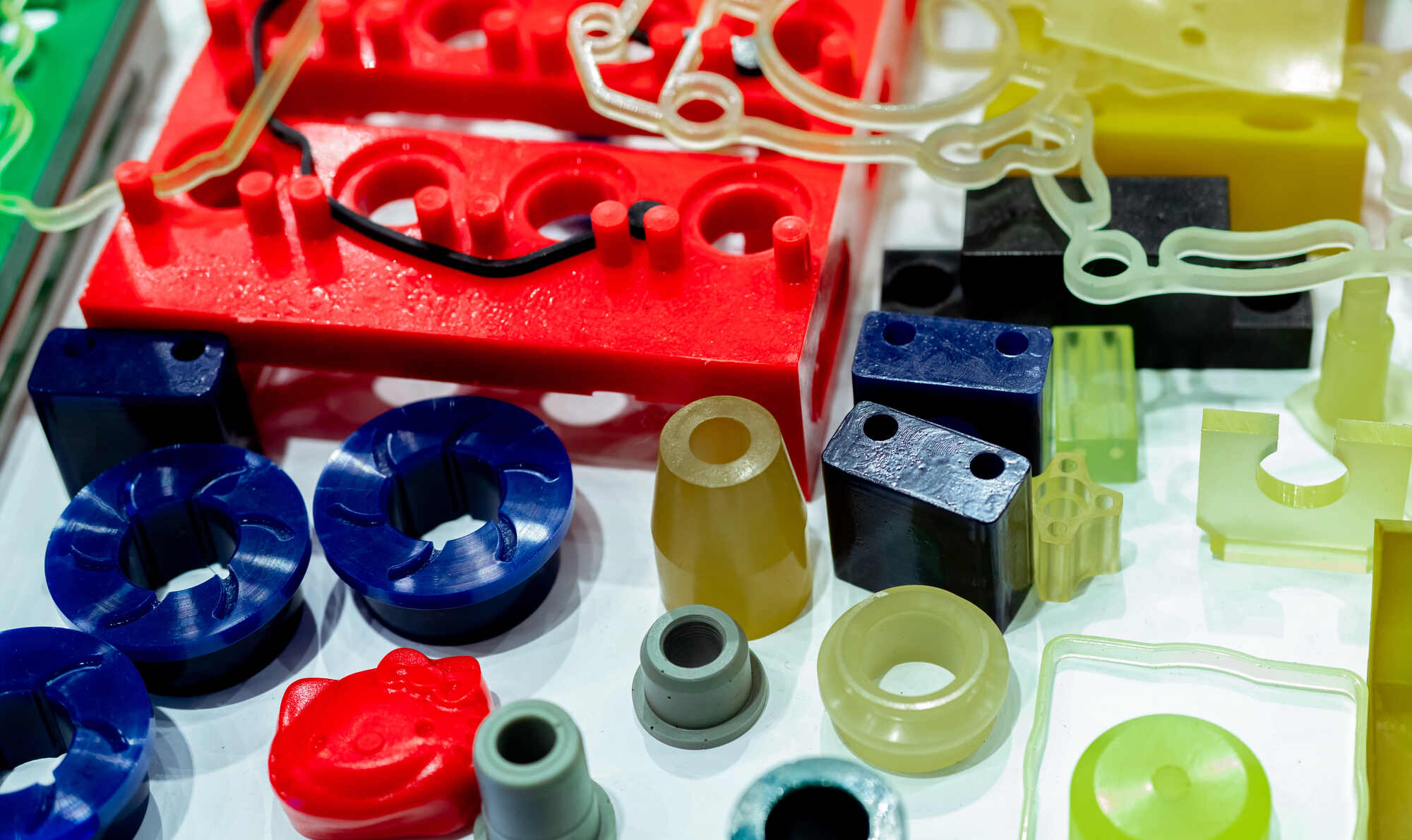
The expected level of finish and quality control varies significantly for different standards of manufacturing. Understanding these differences, precision injection molding vs. general injection molding, helps optimize part design depending on intended product aesthetics and longevity.
Surface finish in precision molding is carefully controlled to meet strict cosmetic and functional standards. Mold cavities are often polished to high specifications, and processing parameters are tightly managed to prevent defects such as flow lines, flash, or sink marks.
General molding can produce visually acceptable surfaces for most commercial uses, but cosmetic perfection is not always the primary objective. Minor surface variations may occur, though they typically do not affect overall functionality.
Performance demands, regulatory requirements, and application focus all influence the decision when choosing between high precision injection molding vs general injection molding.
Precision molding is commonly used in industries where component accuracy is top priority. In these applications, dimensional stability and repeatability are essential to safety, regulatory compliance, and product reliability.
Here are the fields high precision injection molding is used:
General injection molding serves a wide range of consumer goods, household products, packaging components, and industrial parts where moderate tolerances are acceptable. It is preferred for high-volume production of plastic, metal, and silicone parts.
Both processes of injection molding transform molten plastic into functional parts, but the distinction lies in the microscopic level of accuracy. Here is a breakdown to give you a clear idea of the engineering requirements:
| Feature | Precision Injection Molding | General Injection Molding |
|---|---|---|
| Tolerance | ± 0.001 mm to ± 0.01 mm | ± 0.1 mm to ± 0.5 mm |
| Machinery | High-precision all-electric or servo-driven | Standard hydraulic or hybrid machines |
| Cost | Higher initial investment; specialized molds | Lower per-unit cost; standard tooling |
| Scrap Rate | Minimal; requires strict waste reduction | Moderate; higher tolerance for variation |
| Applications | Medical implants, aerospace sensors, and micro-optics | Household goods, toys, and simple containers |
The difference between precision injection molding and general injection molding lies not just in tolerance range, but in the level of control, tooling sophistication, material scrutiny, and process stability to achieve consistent results.
At Richfields, we provide injection molding solutions tailored to your application’s technical requirements. The choice depends on the performance and production scale expectations you need for manufacturing. Contact us today to discuss which approach best fits your objectives.
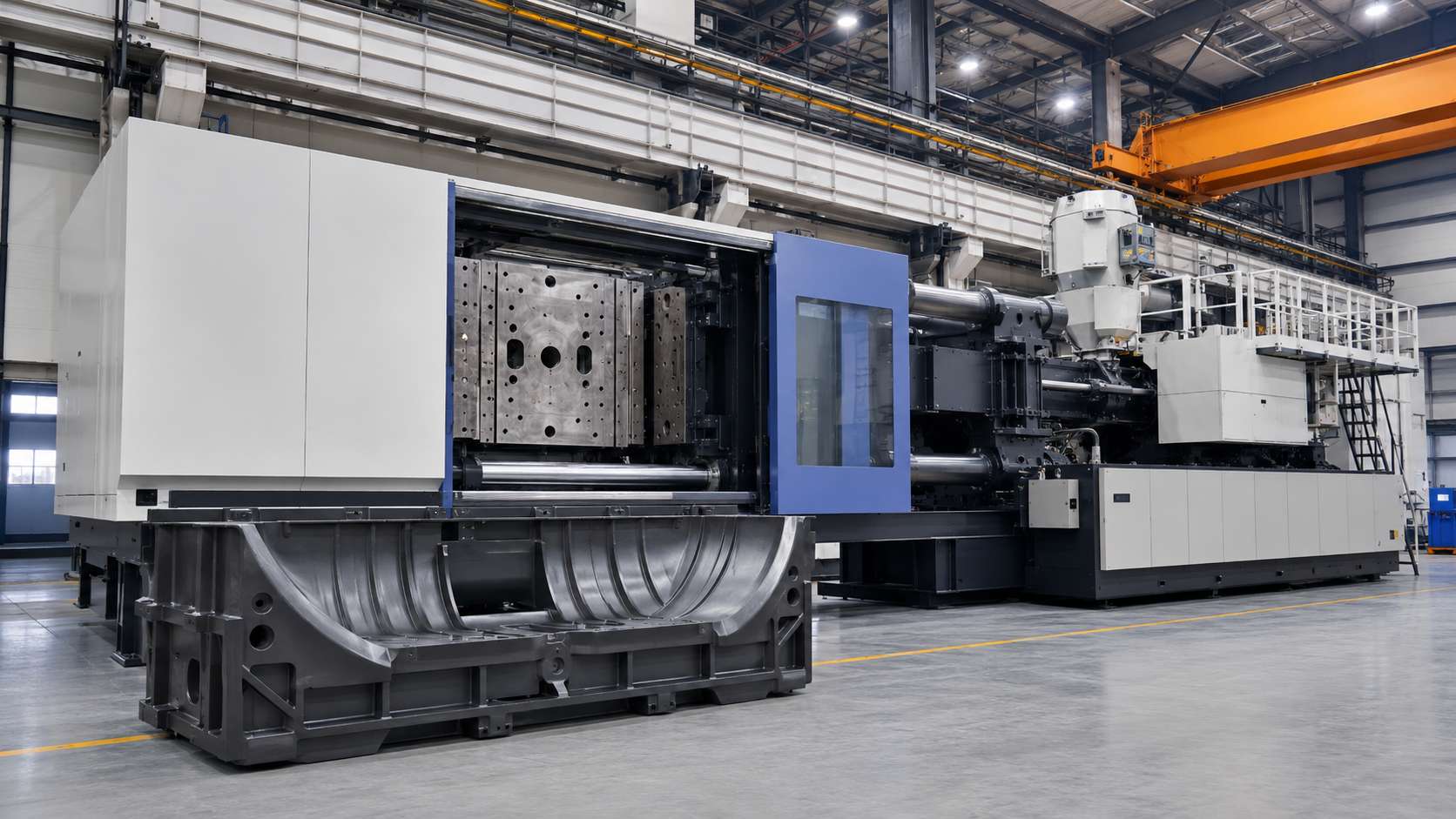
Learn how to evaluate high-tonnage injection molding capacity for large components using key engineering factors for reliable, efficient production.
Read more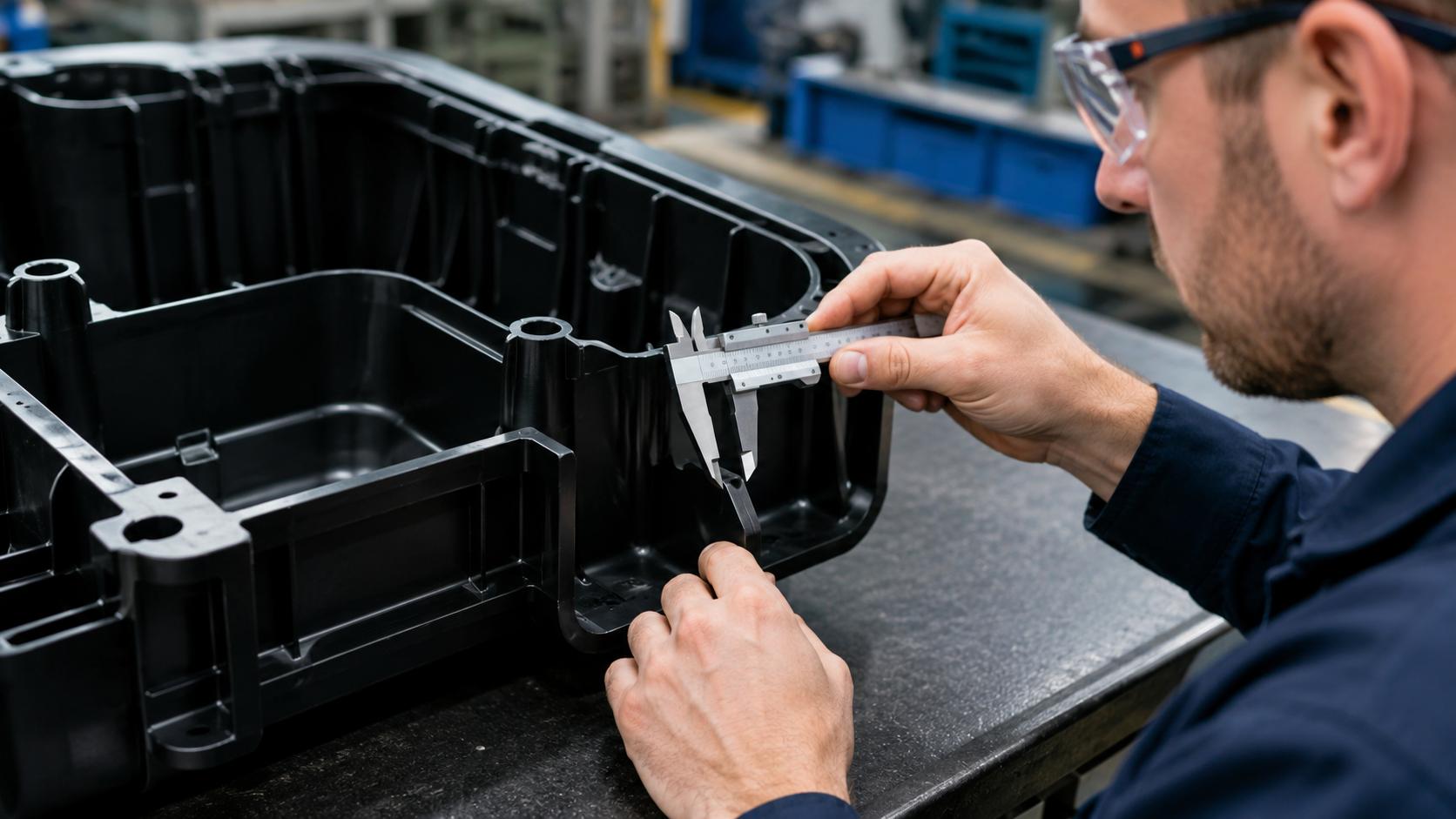
Learn the key wall-thickness guidelines for large injection-molded components that product developers must follow to optimize part performance.
Read more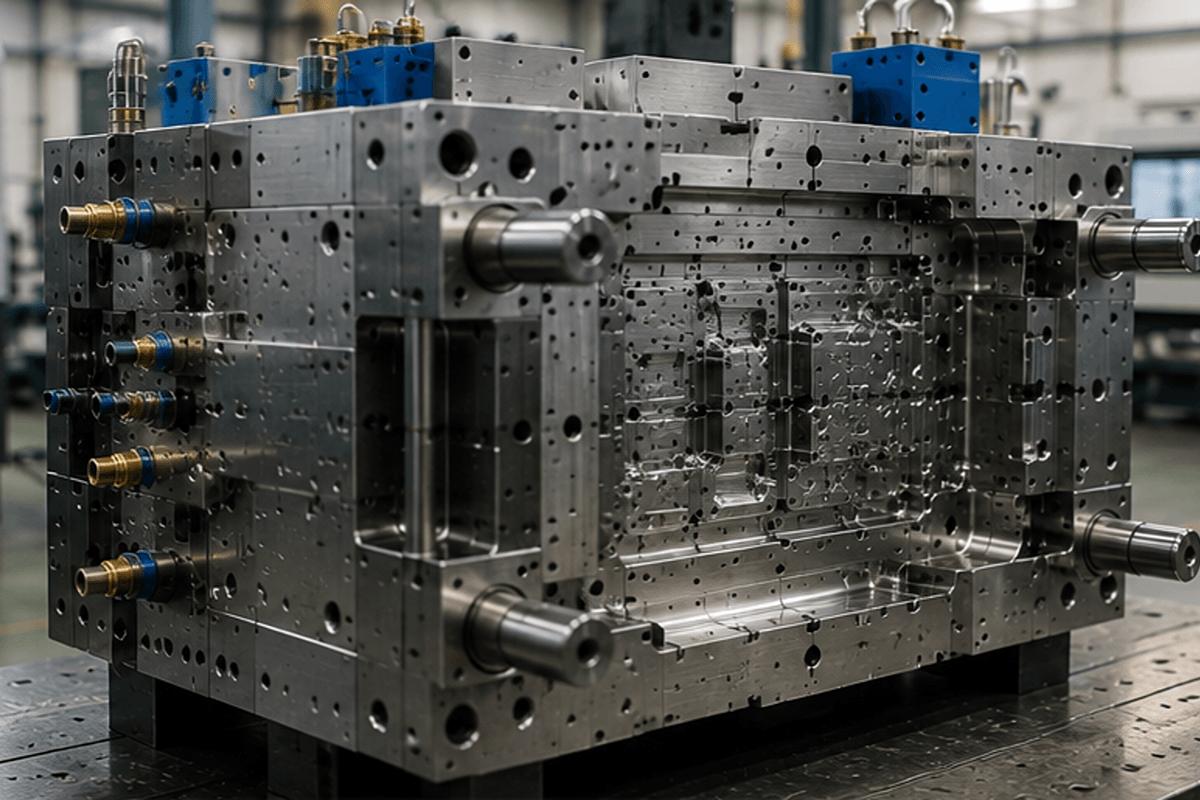
Learn practical ways to assess tooling quotes from injection molding service providers in China for better sourcing decisions and long-term production value.
Read more
Discover the real cost drivers behind large-part injection mold tooling to understand what influences tooling investment before requesting quotations.
Read more