March 27, 2026
Why More Manufacturers Are Turning to Injection Molding Over Traditional Methods
Overview
- This article walks through the key reasons teams reassess their manufacturing approach as production volume and technical demands increase.
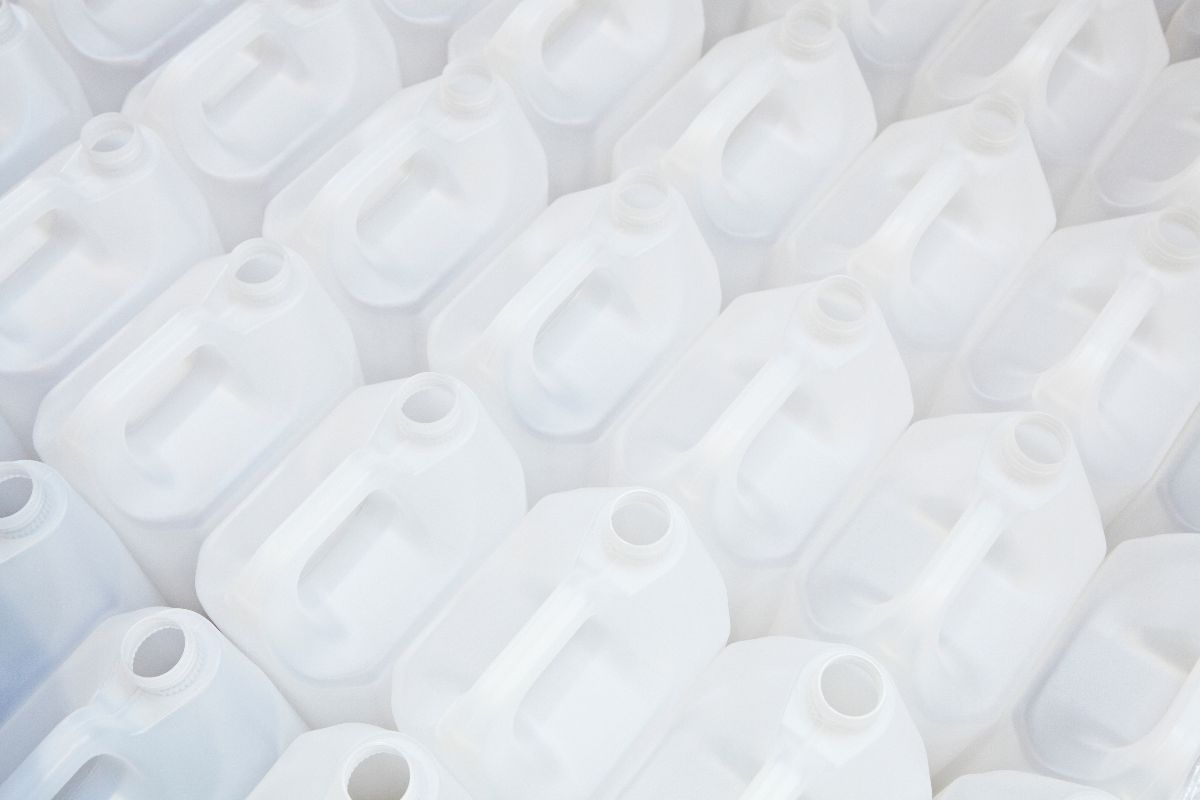
- Injection molding makes it easier to produce large quantities of parts with consistent quality and predictable costs. Unlike traditional methods, it reduces variability, manual work, and production delays as demand increases.
- By examining process behavior, material compatibility, and downstream efficiency, product developers can understand what changes and what risks emerge when output quantity grows.
Production methods suited for low-volume runs often lose efficiency as output scales. At higher volumes, these processes struggle to manage secondary operations and process variation, weakening quality control. These pressures clarify why manufacturers are turning to injection molding over traditional methods as production demands increase.
With injection molding, teams gain tighter control over cycle times and part consistency. It reduces variability between runs by standardizing how parts are formed at volume. Continue reading to learn how this manufacturing approach supports scalable, controlled production over the long term.
Production speed becomes a critical performance factor at higher volumes, and injection molding meets that demand consistently. Cycle times typically fall between 15 and 120 seconds, allowing output to be planned around repeatable production windows rather than variable shop-floor constraints. This predictability gives development teams greater confidence when committing to launch timelines and volume forecasts.
Methods like CNC machining or multi-step fabrication rely on sequential operations that slow down output as demand grows. Each additional setup, cut, or manual step adds time and increases exposure to variation across parts. Injection molding consolidates these steps into a single automated cycle, reducing throughput risk while maintaining consistent part quality.

Manufacturers turn to injection molding because it prevents unit costs from escalating as production grows. Instead of increasing expenses with every added part, injection molding stabilizes costs by removing labor-heavy setup steps from the process. This allows development teams to project margins accurately beyond the early production phase.
Although tooling requires upfront investment, it replaces the ongoing operational costs common in manual fabrication. Setup time, labor hours, and repeated adjustments no longer compound as batches are produced. Once tooling is established, costs are driven primarily by material and machine cycles, making per-unit expenses more predictable.
Consistency matters once parts must meet strict dimensional or performance requirements. As production continues, processes that rely on manual adjustments or operator judgment tend to introduce variations between runs. Over time, these deviations complicate quality control and raise the risk of non-conforming parts.
Injection molding minimizes this risk by fixing temperature, pressure, and material flow within a closed molding environment. Each cycle follows the same forming conditions, producing parts that remain uniform across extended production runs. Product developers can validate designs once and confidently release them without repeated requalification.

Injection molding supports a broad range of thermoplastics and engineered composites, each offering targeted properties like heat resistance or impact strength. This flexibility allows products to be engineered for specific operating conditions instead of being forced into process-friendly compromises, like simplified geometries or limited thermal tolerance.
By contrast, processes that rely on manual forming often accommodate a narrower set of plastic types. When parts must be cut or assembled in stages, material choices tend to favor what is easiest to process rather than what performs best in use. This limits design options and increases the risk of performance issues late in development.
Compared to machined production, injection-molded parts often exit the mold with consistent dimensions and refined finishes. Features and tolerances are formed directly within the equipment, reducing the need for secondary work like trimming or polishing.
Processes that depend on post-production correction add labor time and introduce additional variability. Not only that, but it also generates significant material waste, increasing budget spending. Modern molding techniques limit these adjustments, helping product teams maintain consistent quality while keeping costs more predictable.
| Feature | Injection Molding | Traditional Manufacturing Methods |
|---|---|---|
| Production Speed | Quick cycle times for mass production | More time-consuming in large-batch manufacturing |
| Cost in High Volumes | Highly cost-efficient with low costs per part | It can be cost-prohibitive due to slower speeds and excess material use |
| Process Efficiency | Automated and uniform results | Labor-intensive with risk of inconsistency |
| Material Choice | Excessive range of material options for different applications | Limited and sometimes more expensive material choices |
| Resource Consumption | Minimal material waste | Generates significant material waste |
If you’re looking for a reliable injection molding partner, Richfields Corporation is ready to support your next production phase. With over 20 years of industry experience, we offer precision-engineered molds and advanced injection technology to help developers turn their product concepts into profitable, full-scale outputs.
Our facilities are built to handle complex geometries, engineering plastics, and large-scale manufacturing under one roof. From tooling through sustained production, we support product teams with the dependable molding expertise needed to move forward with confidence.
As production demand increases, product developers need a solution that allows quality and cost control to scale alongside it. Understanding why manufacturers are turning to injection molding over traditional methods helps teams see how high-volume production can remain controlled and financially viable in the long run.
With Richfields as your trusted injection molding company in China, we can help you achieve your product development goals with precision. Contact us today to learn more about our services.
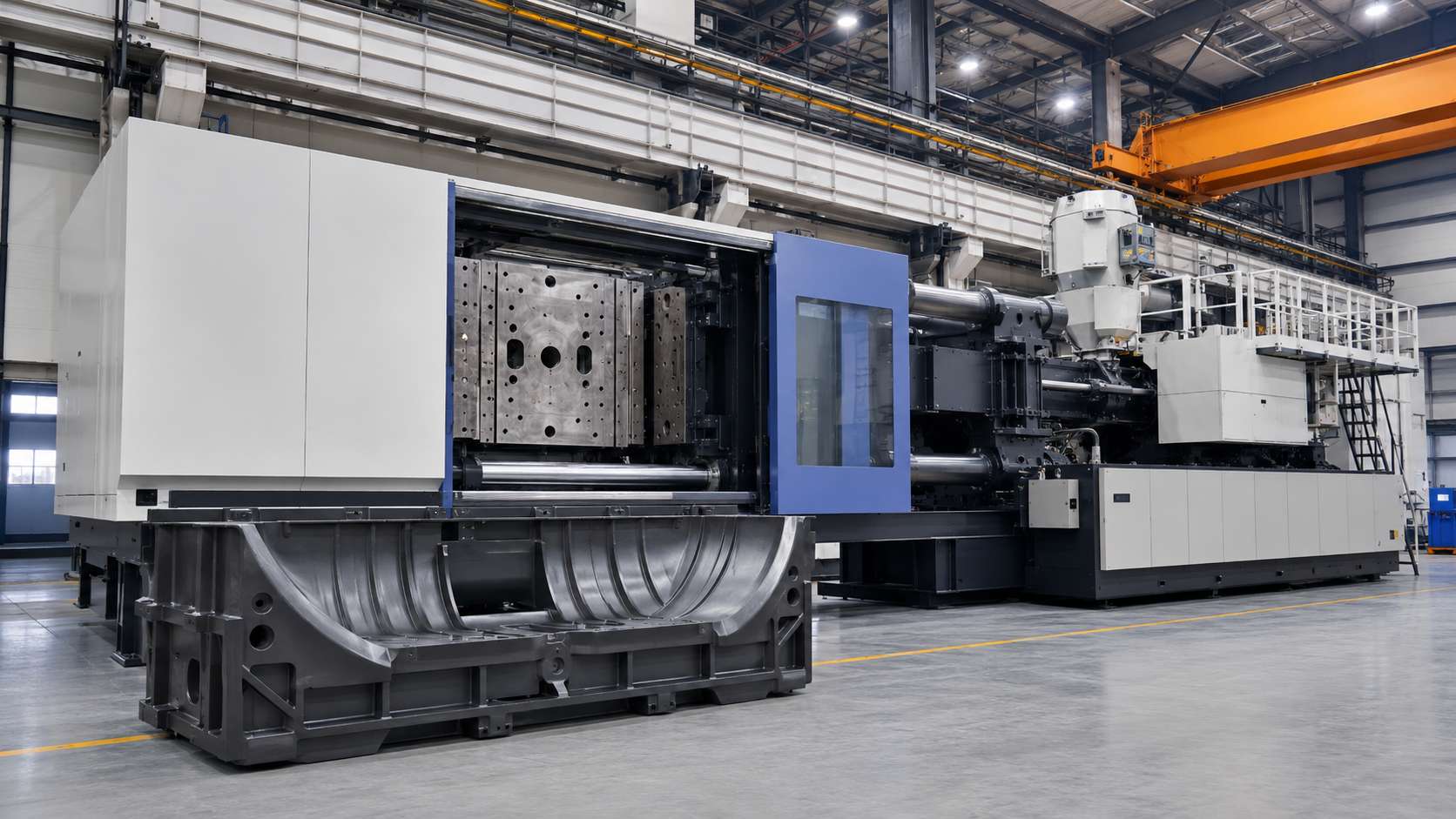
Learn how to evaluate high-tonnage injection molding capacity for large components using key engineering factors for reliable, efficient production.
Read more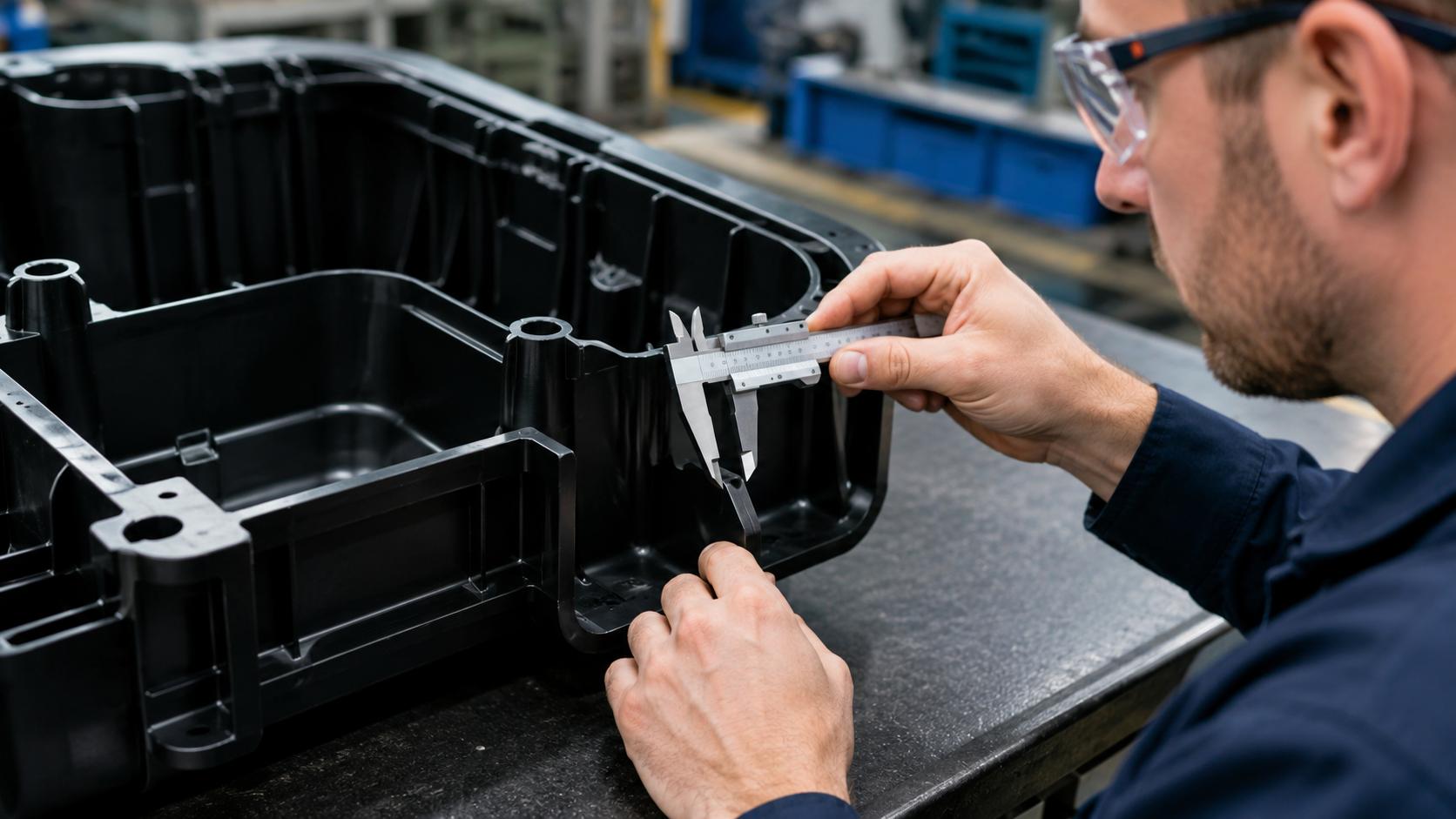
Learn the key wall-thickness guidelines for large injection-molded components that product developers must follow to optimize part performance.
Read more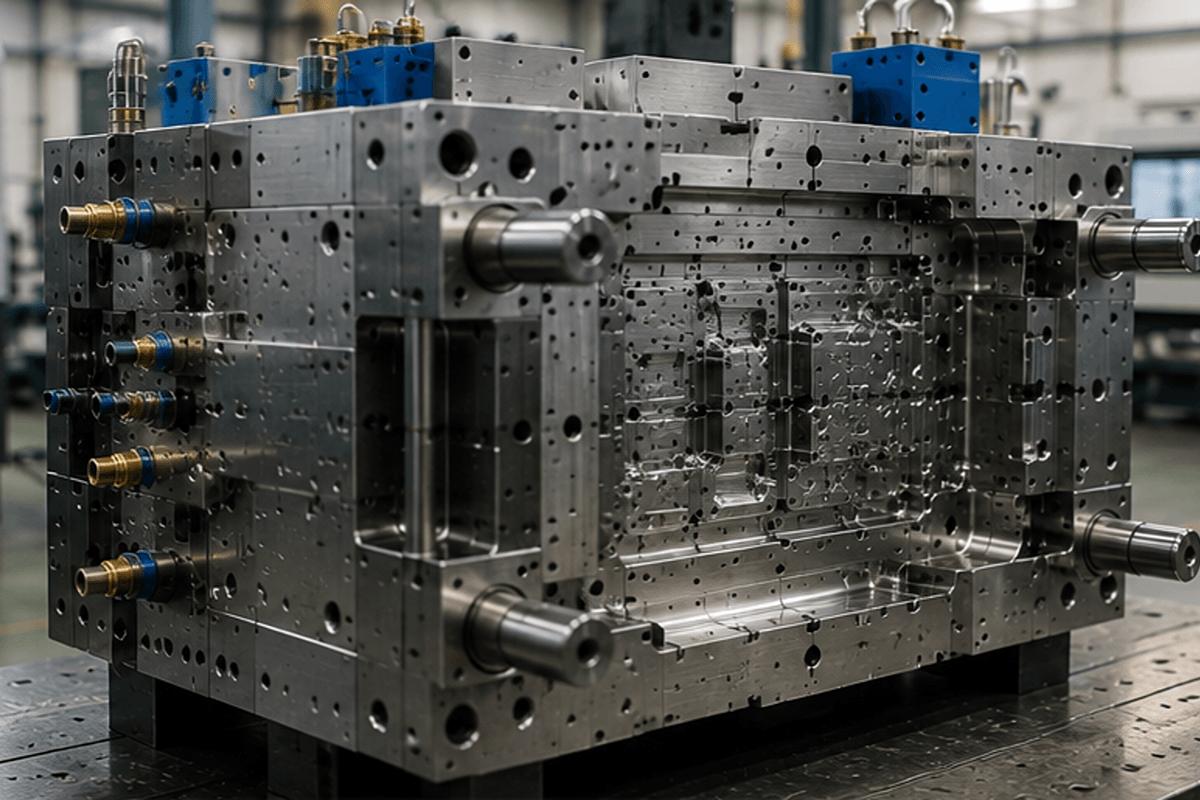
Learn practical ways to assess tooling quotes from injection molding service providers in China for better sourcing decisions and long-term production value.
Read more
Discover the real cost drivers behind large-part injection mold tooling to understand what influences tooling investment before requesting quotations.
Read more