April 10, 2026
Customized Large Injection Molding vs. Standard Molding

Overview
- Injection molding transforms molten material into precise parts, with customized large injection molding offering solutions for oversized or complex components that standard methods cannot accommodate.
- Standard injection molding excels in high-volume, uniform production with predictable costs, while customized large injection molding supports intricate geometries, larger sizes, and advanced materials at a higher upfront investment.
- Understanding these differences helps manufacturers choose the method that balances design complexity, production scale, material options, and cost efficiency for each project.
Injection molding is a cornerstone of modern manufacturing, transforming molten material into precise, durable parts. While standard methods deliver efficiency for everyday designs, customized large injection molding enables the production of larger or more complex components that require specialized expertise and equipment.
With each approach offering unique advantages for companies in the USA, understanding the differences can help you make informed decisions that balance design flexibility, production scale, material options, and cost efficiency.
To guide your next project, this article takes a closer look at customized large injection molding vs. standard molding, helping you bring complex designs to life efficiently and reliably.
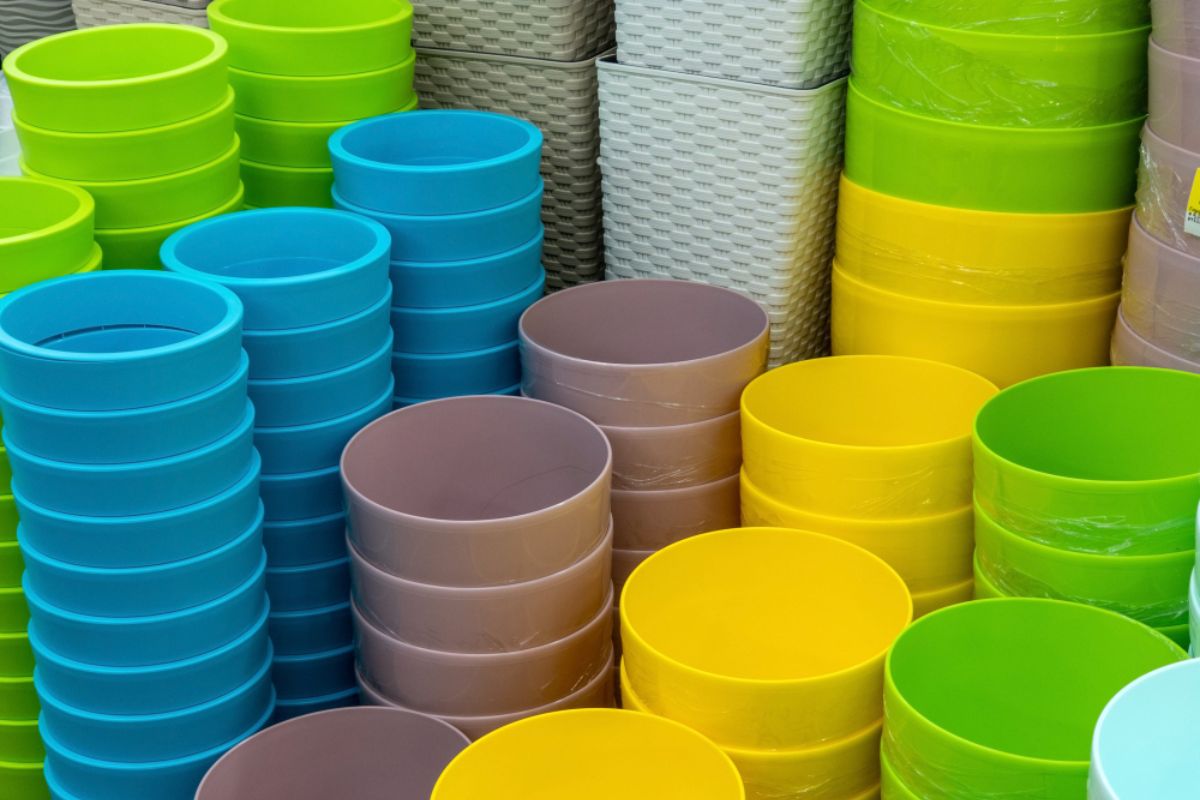
Best For: High-volume production of identical components such as consumer goods, automotive interior parts, packaging components, and medical disposables.
Standard injection molding is optimized for producing high-volume, uniform parts efficiently. This method relies on conventional machines and straightforward molds to deliver consistent quality across large batches. This is what makes it suitable for applications where speed, repeatability, and predictable per-unit costs are essential.

Best For: Large or complex components, multi-material parts, or designs with integrated features used in aerospace, medical equipment, industrial systems, and premium consumer products.
Customized large injection molding is designed for producing complex, oversized, or highly specialized components that standard molds cannot accommodate. This method provides enhanced design flexibility, supporting intricate geometries, multi-material parts, or large structural components where functionality, aesthetics, and precision must all be optimized.
While both standard injection molding and customized large injection molding rely on the same fundamental process, the conditions under which they operate differ in ways that directly affect feasibility, efficiency, and long-term performance. Recognizing these distinctions helps identify which method is most appropriate for specific product goals.
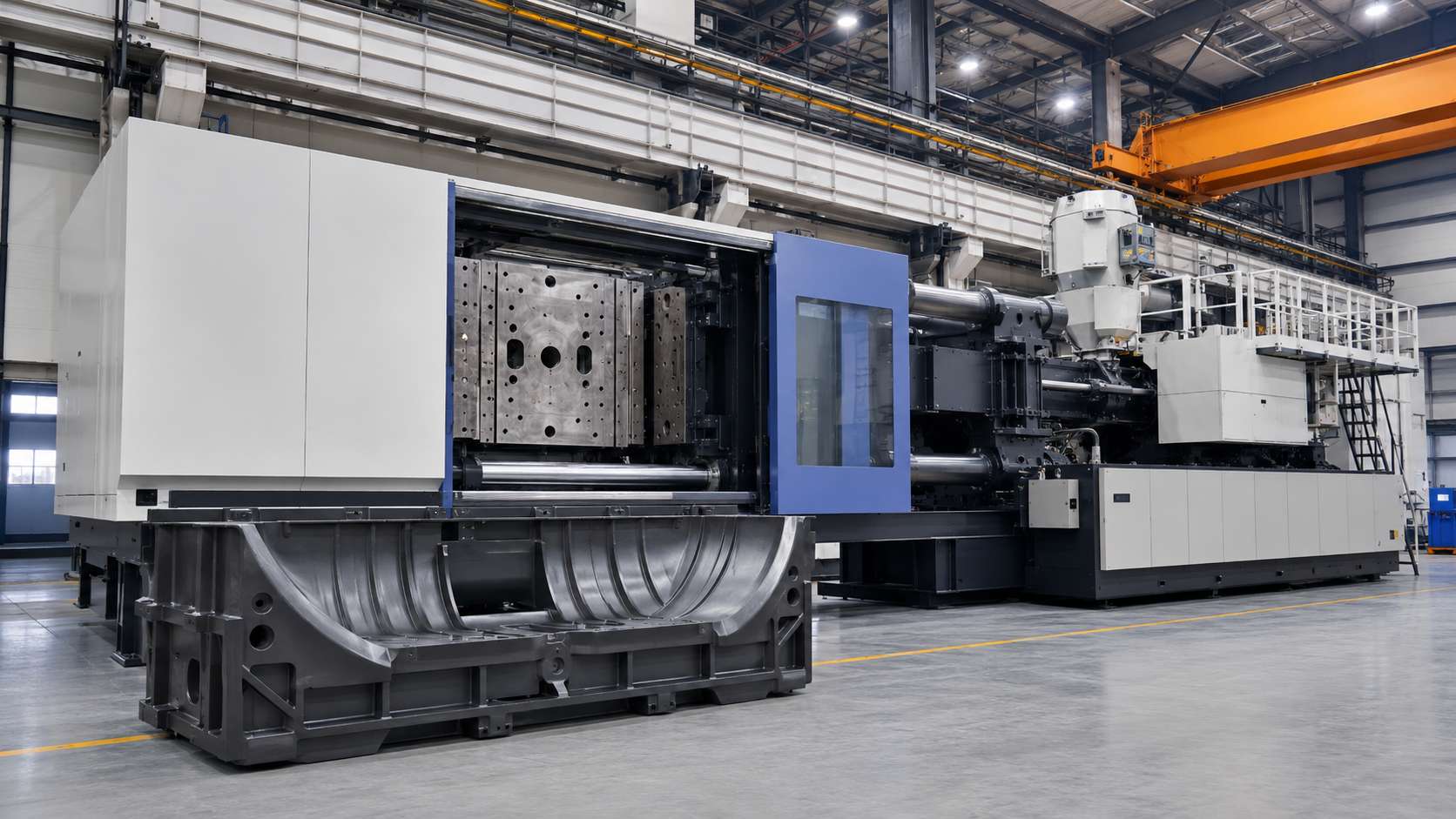
The size of a molded part directly influences machine tonnage, mold stability, and material control during production. For instance, standard injection molding operates within established tonnage ranges that support smaller to mid-sized components with consistent pressure and rapid cycling.
Customized large injection molding, on the other hand, extends beyond these limits by using higher-tonnage machines designed to support larger molds and increased material volumes. This capability becomes necessary when part dimensions or wall thicknesses exceed conventional thresholds, or when additional clamping force is required to maintain dimensional stability.
Design complexity affects tooling strategy and process control throughout the molding cycle. Standard injection molding performs best when parts maintain uniform wall thicknesses and simple geometries that support speed and repeatability.
Customized large injection molding is engineered to manage greater complexity. It can accommodate detailed features, structural variations, and integrated elements that would be difficult to stabilize using standard tooling. This makes it suitable for components where functional performance and design detail must be achieved within a single molded part.
Material selection plays a central role in determining part durability, resistance, and surface quality. Standard injection molding typically relies on commonly used thermoplastics that flow easily and support fast cycle times.
Customized large injection molding allows for a broader material range, including reinforced polymers and high-performance resins that require tighter processing control. This flexibility supports applications exposed to higher mechanical stress, temperature variation, or environmental demands.
Cost structure differs significantly between the two approaches. Standard injection molding spreads tooling and setup costs across large production volumes, resulting in lower per-unit pricing for long production runs.
Customized large injection molding involves a higher upfront investment due to specialized tooling and longer cycles. These costs are often justified when standard methods cannot meet size, strength, or design requirements, making part feasibility and performance more critical than unit cost alone.
Once tooling is finalized, standard injection molding offers limited flexibility for design changes, as modifications can be time-consuming and costly.
Customized large injection molding is often developed with adaptability in mind. Tooling and process parameters can be adjusted to accommodate design refinements or performance feedback, supporting projects that evolve through testing or phased production without compromising overall manufacturability.
By understanding the differences between customized large injection molding vs. standard molding, you can make informed decisions that optimize design complexity, production scale, material selection, and cost efficiency for your next project.
Richfields is a trusted injection molding company with operations in China, the USA, and Europe. We provide both customized and standard molding solutions to meet your project needs. Contact us today to discuss how we can bring your custom plastic products to life.
Learn how to evaluate high-tonnage injection molding capacity for large components using key engineering factors for reliable, efficient production.
Read more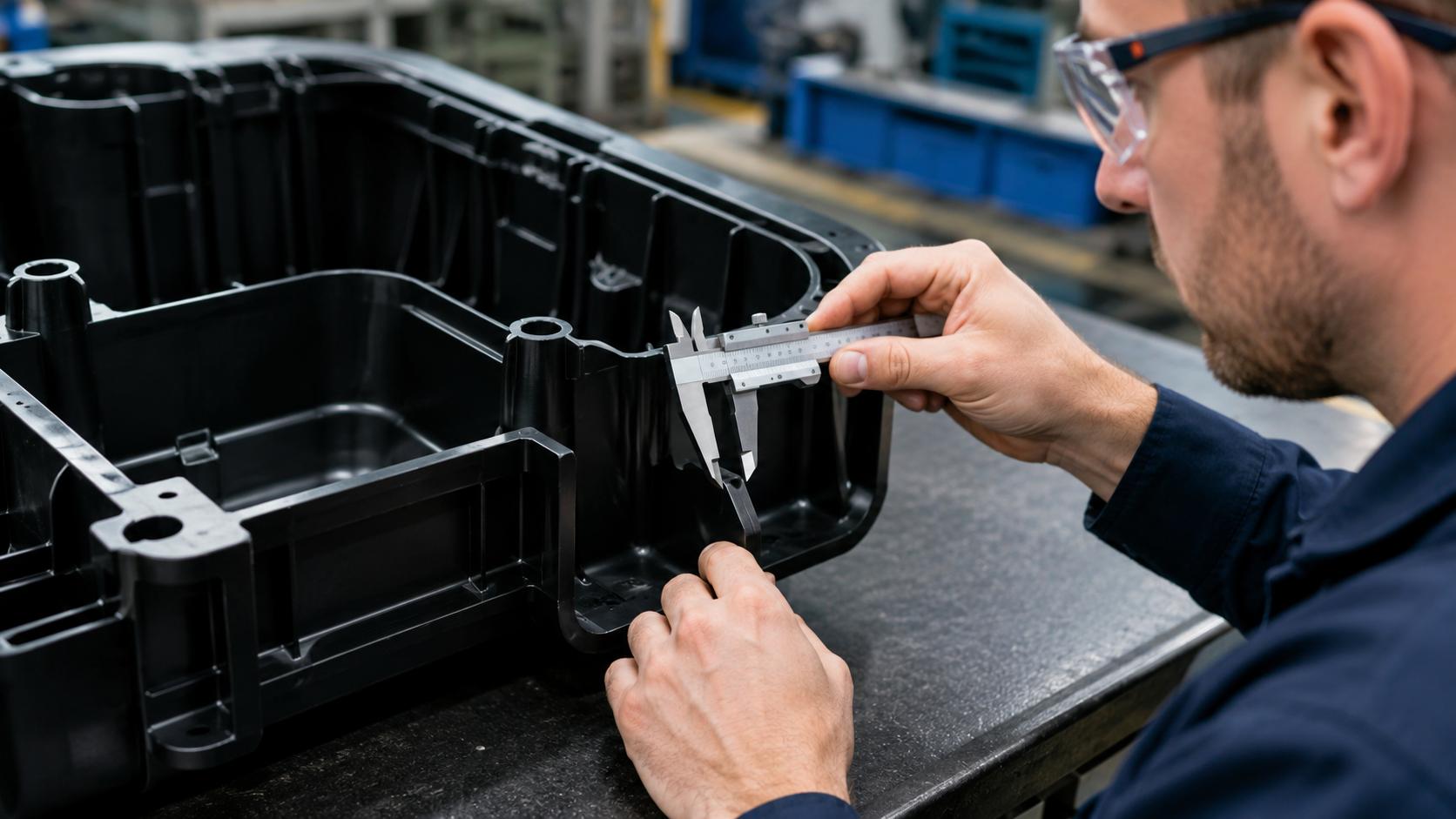
Learn the key wall-thickness guidelines for large injection-molded components that product developers must follow to optimize part performance.
Read more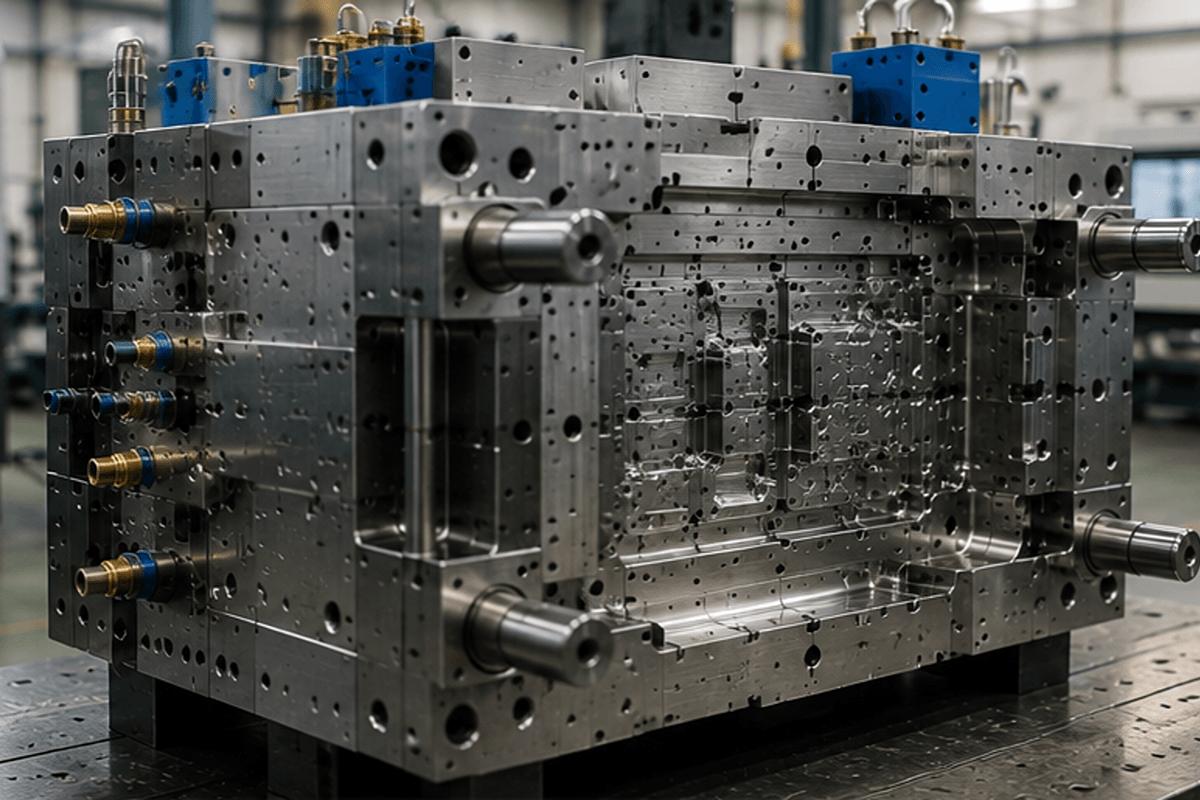
Learn practical ways to assess tooling quotes from injection molding service providers in China for better sourcing decisions and long-term production value.
Read more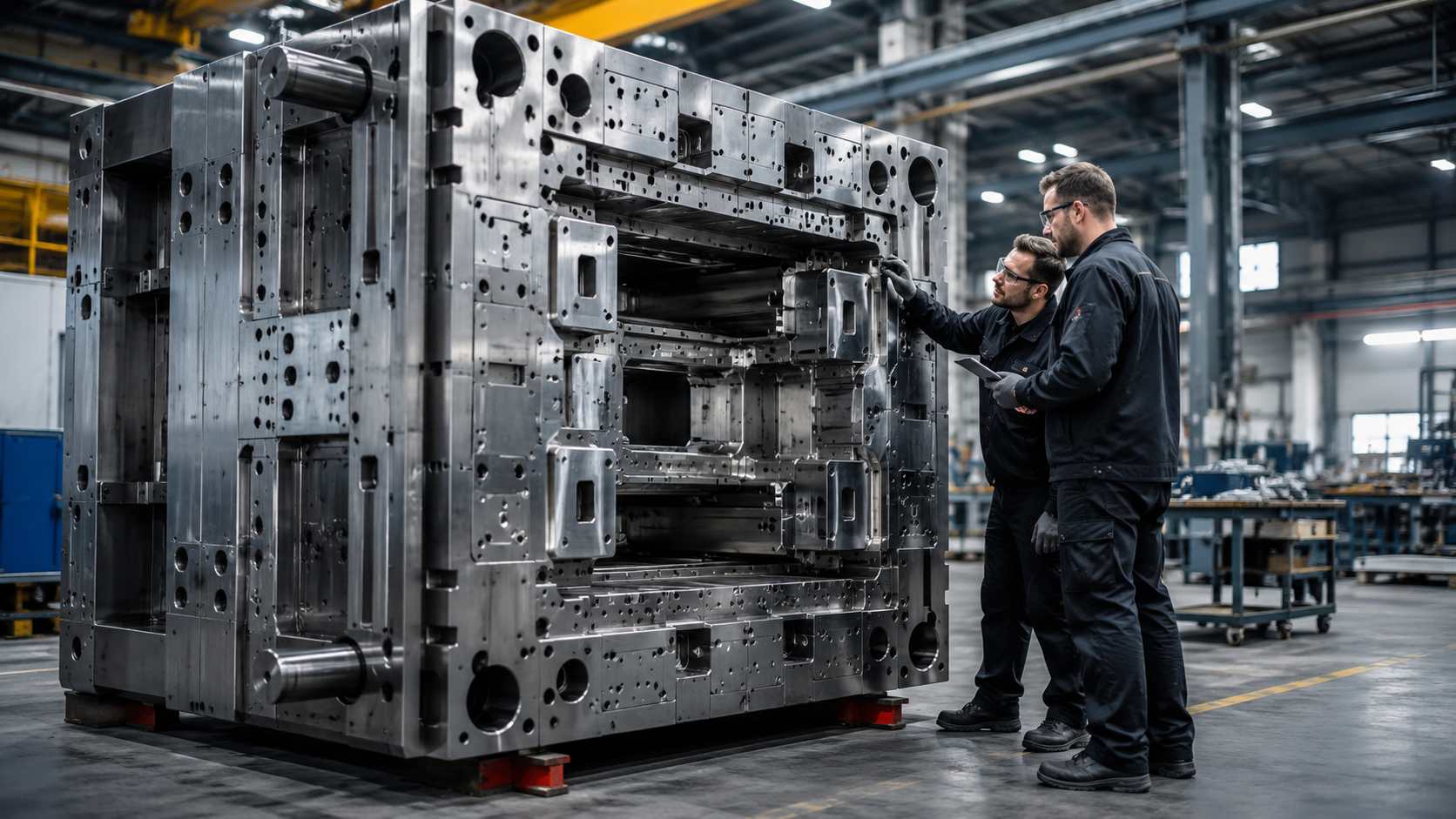
Discover the real cost drivers behind large-part injection mold tooling to understand what influences tooling investment before requesting quotations.
Read more