April 8, 2026
Common Mistakes Encountered in High-Precision Plastic Injection Molding

Overview
- High-precision plastic injection molding depends on exact control over design, materials, and process conditions—even small oversights can cascade into defects, scrap, and lost time.
- Understanding where these common mistakes occur allows manufacturers to prevent failures before tooling and production are locked in.
- At Richfields, precision is built into every stage through disciplined engineering, process control, and production oversight for demanding applications.
In high-precision plastic injection molding, achieving tight tolerances demands meticulous orchestration across tooling, material behavior, and process control. Each variable influences the others, and even small deviations can lead to irreversible outcomes.
Yet, from time to time, there are still common mistakes in precision plastic injection molding that persist—often overlooked until defects surface. But it doesn’t have to be that way. You can prevent costly errors by understanding where these pitfalls occur.
In this article, we unpack the technical missteps that practitioners most often encounter. Read on.
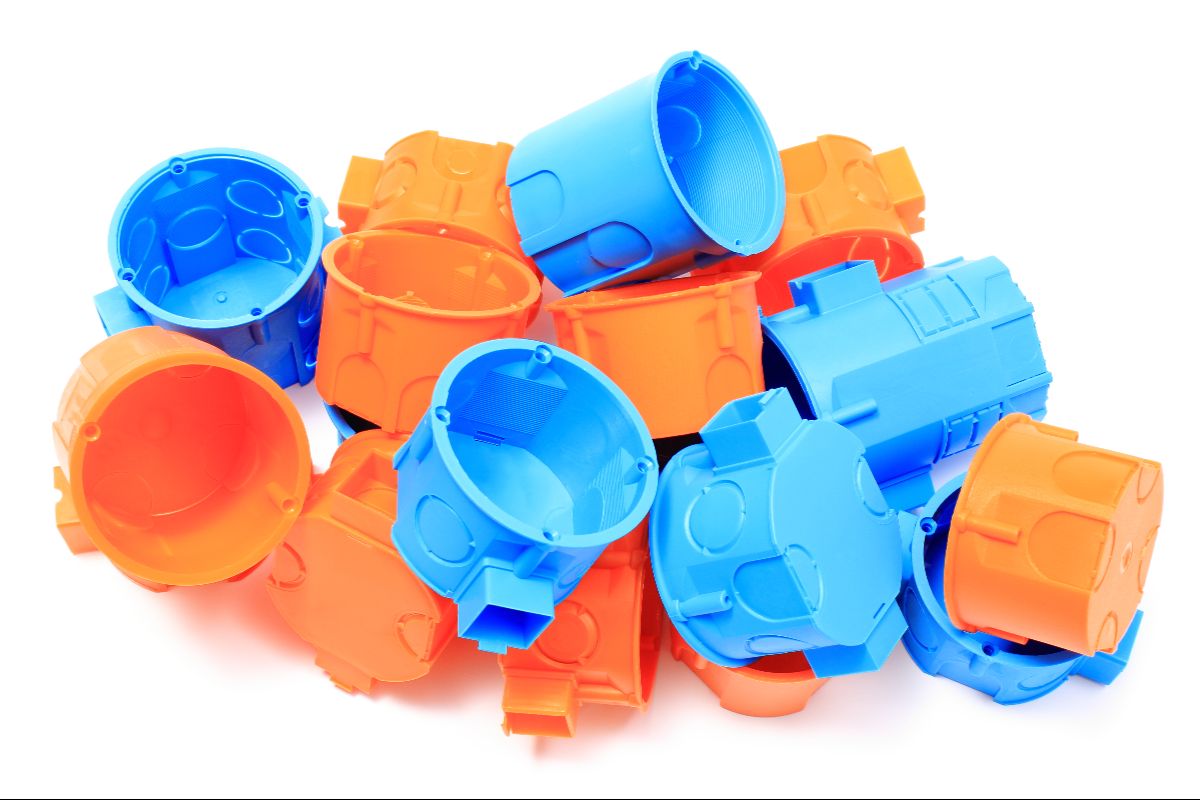
Precision starts with design. When overlooked, even the smallest miscalculation in mold engineering can compromise the entire process. Understanding where things often go wrong is key to building a more reliable manufacturing system.
Venting errors happen when the air inside the mold cavity has nowhere to escape. This leads to serious problems because when the trapped air gets compressed or heated during the process, it can lead to burn marks on the final plastic part.
It also results in internal air pockets that weaken the part and make the dimensions unstable. Overlooking this simple venting mistake will cost manufacturers tooling expenses and quality issues.
When engineers fail to place channels close enough to the cavity or design them with proper flow dynamics, the plastic will cool unevenly. Thick sections shrink excessively while thin areas solidify first, causing distortion, warpage, or sink marks. This is unacceptable in high-precision injection molding, where tight tolerances demand uniform cooling.
Common mistakes include:
Some inexperienced designers prioritize aesthetics over manufacturability, insisting on ‘zero draft’ for vertical mold features. What they overlook is that proper draft angles facilitate smooth demolding, preserving fine surface finishes and textures without damage.
They also eliminate friction-induced stresses during ejection that cause scratches, cracks, or warpage. As one of the final critical steps in high-precision plastic injection molding, draft angle design must be approached carefully to avoid wasting all prior engineering effort.
Recognizing material-related pitfalls early helps ensure consistency, durability, and precision in every molded part.
The following section outlines common oversights you should know:
One of the common mistakes encountered in high-precision plastic injection molding is material contamination. It happens when foreign substances—such as dirt, oil, moisture, or degraded regrind—mix into the raw plastic pellets.
During the process, it disrupts the uniformity of the material. As a result, these contaminants create visible black specks, weak spots, or even outright failure under load. To avoid this, manufacturers should follow a strict protocol on machine and material handling.
In high-precision injection molding, even a slight mismatch in resin quality leads to failures in part quality and performance. This can happen with a lower-grade material or the wrong polymer type. Once processed, incompatible resins fail to bond properly.
As a result, they create flaky layers and weak seams. These defects won’t pass quality standards, as the part will easily crack under load or stress.
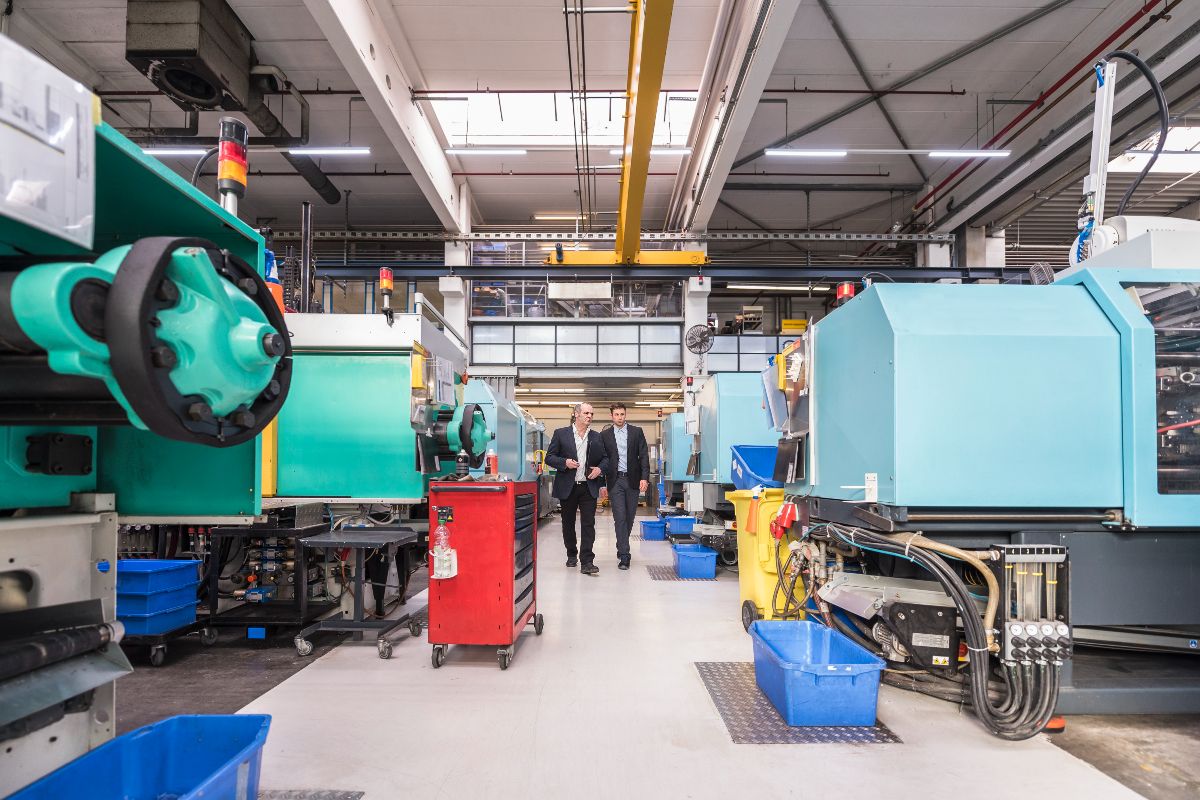
Environmental and operational conditions play a critical role in molding precision. When left unmanaged, they can introduce inconsistencies that affect part quality.
Take note of these common mistakes:
Ignoring ambient factory conditions leads to more scrap, corroded molds, and failed tolerances. For optimal results, the surrounding temperature should be around 20-25°C. It is important to follow it because it directly affects how plastic pellets behave before melting.
If too humid, moisture-soaked resins create bubbles or weak parts. Meanwhile, hot air (>30°C) makes oil thin and pressures unstable, causing warped part dimensions.
The injection molding machine is where all the work happens—melting plastic, injecting it under high pressure, and forming precise parts. A slight deviation or breakdown in maintenance affects quality and production, leading to costly rework.
That is why it’s important to focus on regular preventive maintenance like daily lubrication, screw/barrel inspections, and hopper cleaning.
High-precision plastic injection molding, as the name implies, lives and dies by its ability to manufacture parts to laser-like accuracy. In doing so, precision cannot be treated as a parameter to adjust later—it must be treated as a disciplined commitment for quality.
At Richfields, that level of control is engineered in our processes. We support manufacturers who require micron-level consistency through disciplined tooling, process control, and production oversight. Reach out to us today to discuss how we can support your most demanding injection molding requirements.
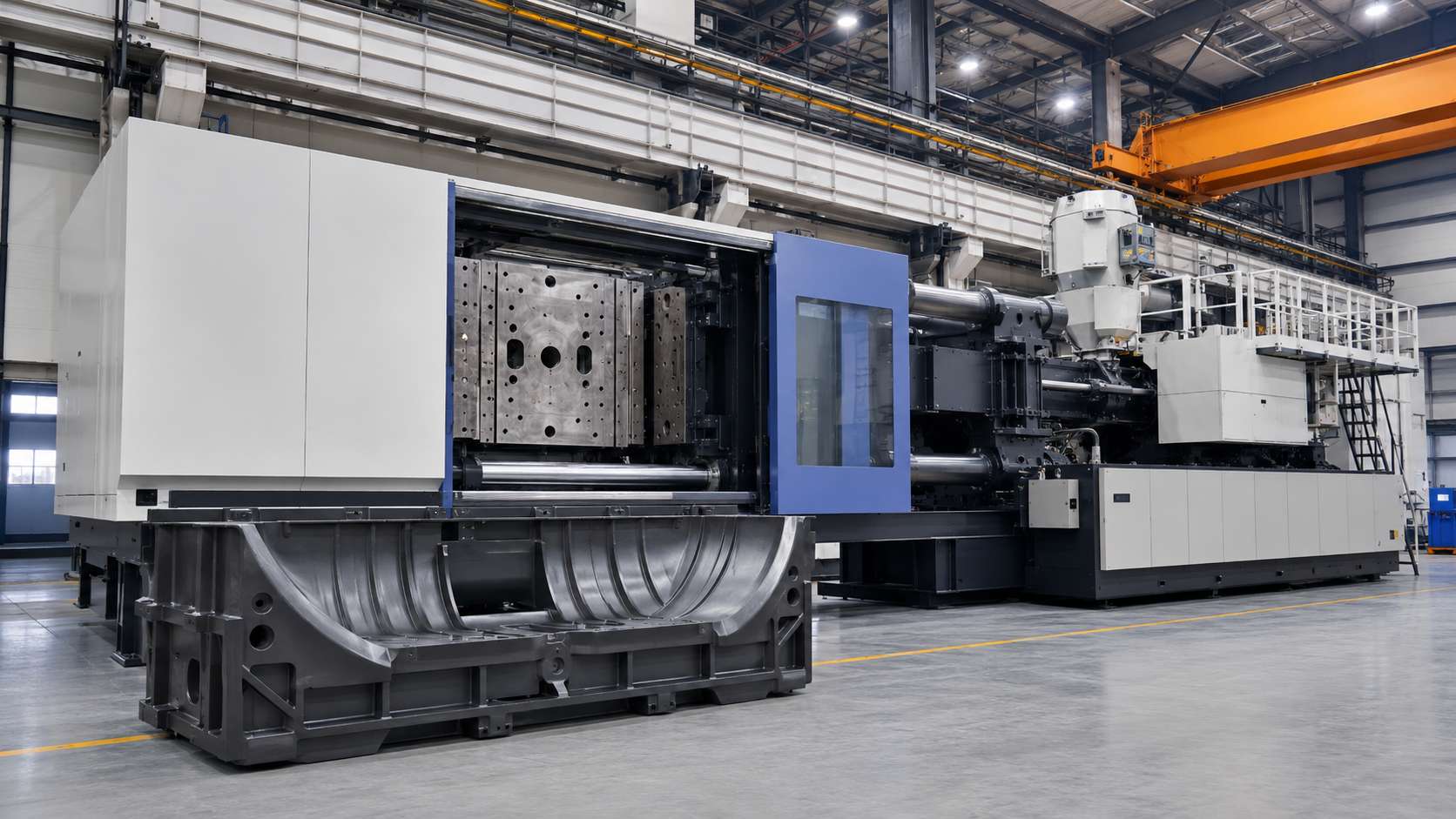
Learn how to evaluate high-tonnage injection molding capacity for large components using key engineering factors for reliable, efficient production.
Read more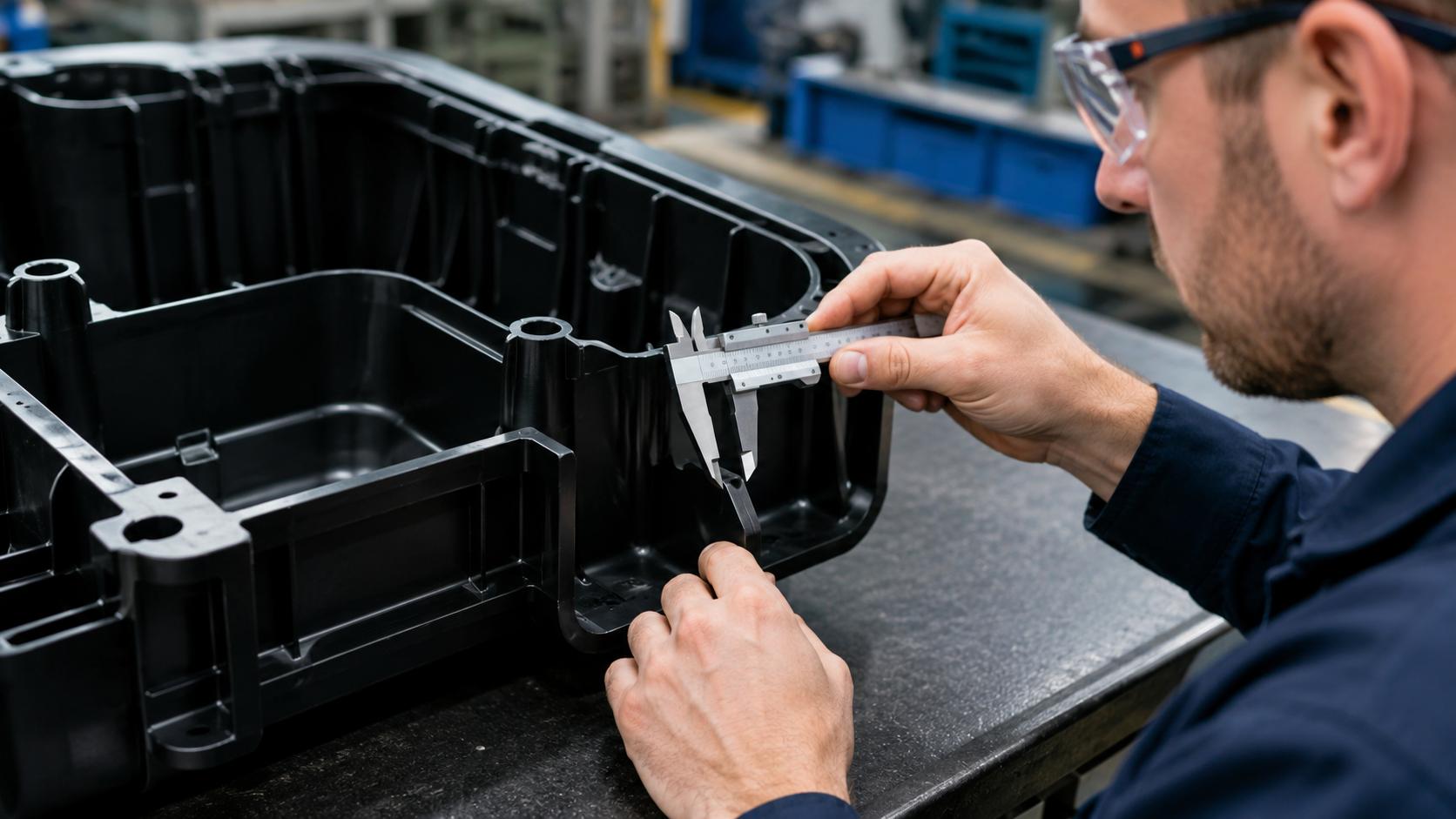
Learn the key wall-thickness guidelines for large injection-molded components that product developers must follow to optimize part performance.
Read more
Learn practical ways to assess tooling quotes from injection molding service providers in China for better sourcing decisions and long-term production value.
Read more
Discover the real cost drivers behind large-part injection mold tooling to understand what influences tooling investment before requesting quotations.
Read more