February 7, 2026
What Is Full-Service Plastic Injection Molding?
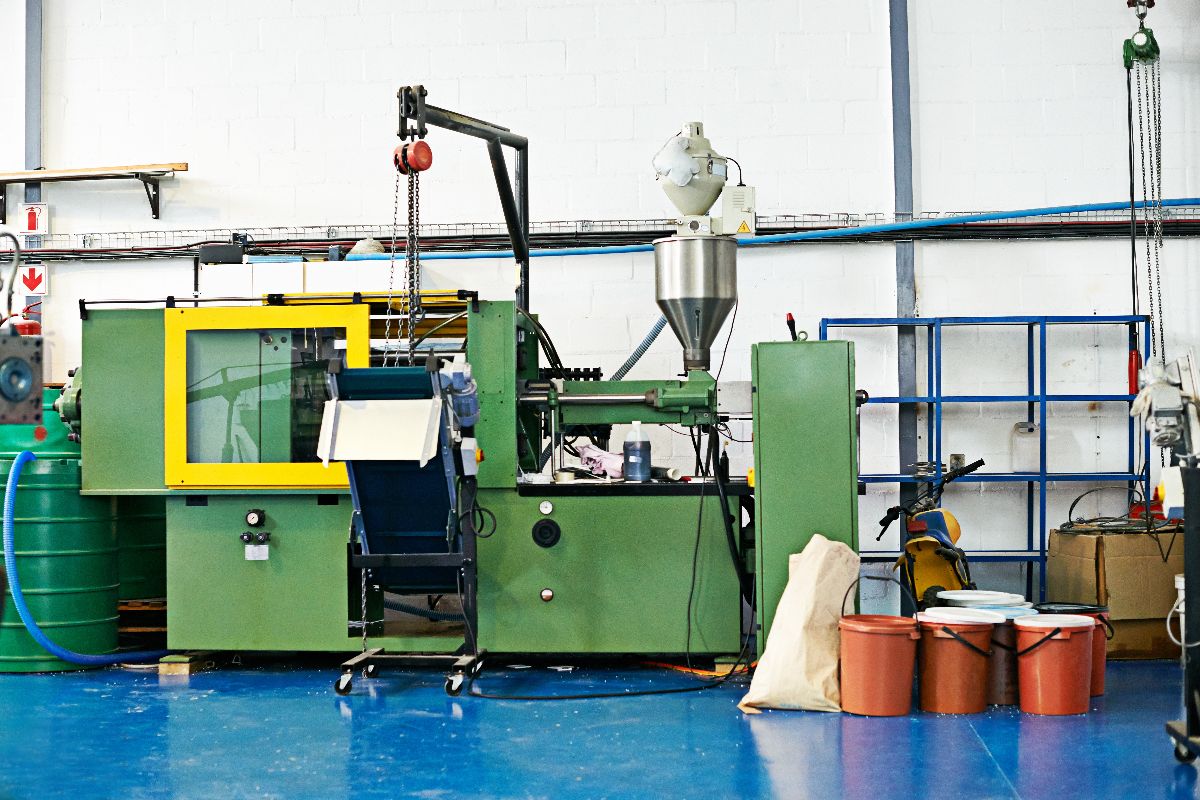
Overview
- Full-service plastic injection molding streamlines the journey from concept to finished product by combining design, prototyping, tooling, production, and post-production under a single provider.
- By consolidating these stages, you gain better oversight, reduce coordination challenges, and ensure consistent quality across parts—helping your projects move faster, stay on schedule, and meet industry standards.
- With this understanding, you can now consider how a full-service approach could accelerate innovation, simplify management, and deliver reliable, market-ready products more efficiently.
In today’s competitive manufacturing landscape, companies in the USA often struggle to bring products from concept to market efficiently while managing multiple production stages. Coordinating design, prototyping, tooling, and manufacturing can be complex, especially when responsibilities are spread across different teams.
Full-service plastic injection molding offers a unified approach to these challenges, combining several stages under one coordinated process. Instead of juggling multiple partners, you work within a single system designed for smoother collaboration and clearer oversight.
But what exactly is full-service plastic injection molding? This article will take a closer look at what this molding entails, its key components, and the benefits it provides to streamline manufacturing and reduce coordination complexity.
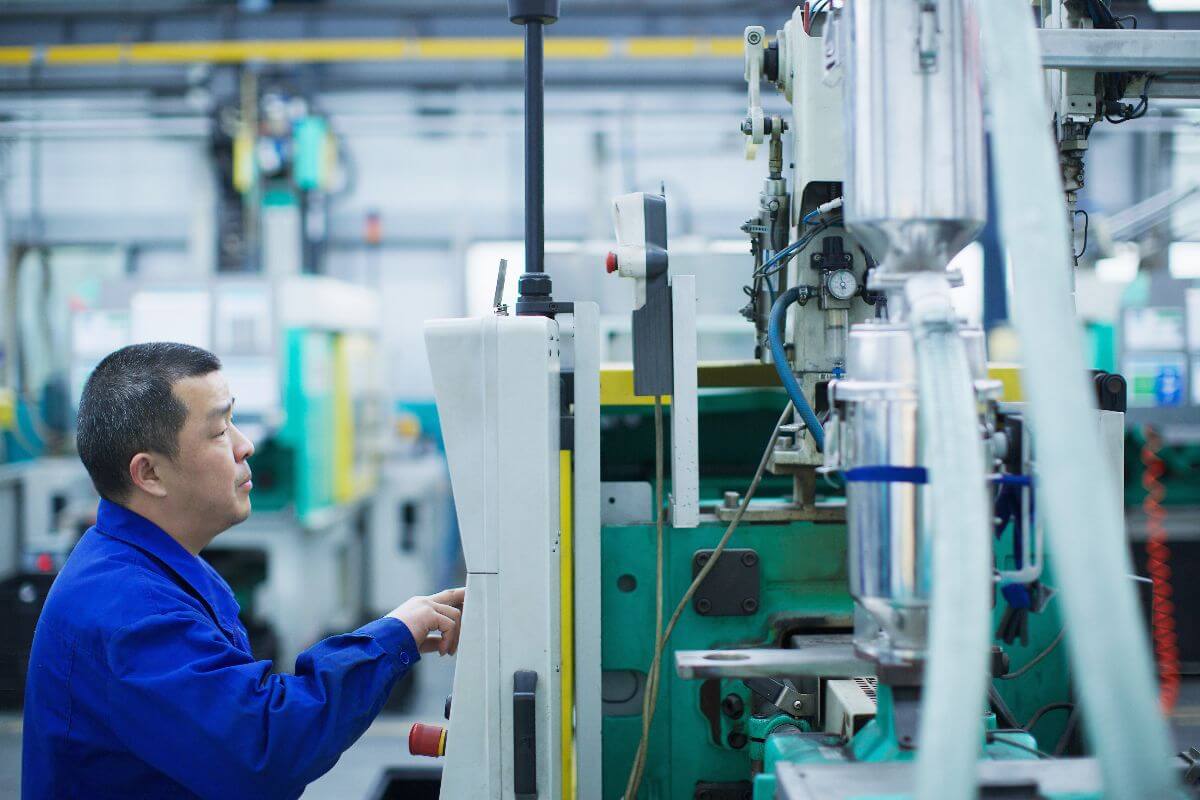
Full-service plastic injection molding is an end-to-end approach that integrates design, prototyping, tooling, production, and post-production under one provider. With this system, you can manage every stage of development more efficiently and reduce the risk of miscommunication between teams.
By keeping everything within a single workflow, you gain better visibility and control over each step. You can identify potential bottlenecks sooner, ensure designs move smoothly from concept to finished product, and maintain consistency across all components.
Full-service plastic injection molding relies on several core stages, each focused on delivering reliable, high-quality parts without the need to coordinate multiple vendors. These components provide clear checkpoints and support for your project from start to finish.
Engineering and design is where your concept becomes a manufacturable product. Using CAD, simulations, and prototyping like 3D printing, you collaborate with engineers to refine durability, moldability, and efficiency. For example, a product development manager creating a new gadget can work with engineers to adjust wall thicknesses or add structural ribs, ensuring the design molds reliably and performs well.
Tooling and mold creation is the process of designing and producing the molds that shape your plastic parts. Precision molds ensure each part meets your specifications consistently. For instance, automotive companies rely on durable molds to produce thousands of identical components, such as dashboard panels or engine covers.
Production and molding is where molten plastic is injected into molds to form your parts. Advanced machinery and automation maintain accuracy and repeatability during high-volume runs. Medical device manufacturers, for example, produce sterile, precise components like syringes efficiently using injection molding.
Secondary operations and assembly cover post-molding tasks needed to complete your product. Trimming, painting, ultrasonic welding, or assembly can happen in-house, so you receive a ready-to-use part without coordinating multiple vendors. Electronics companies often assemble plastic casings with internal components at this stage, saving time and reducing errors.
Quality assurance ensures every part meets your specifications and regulatory standards. Inspections, testing, and mold maintenance help you maintain consistency across production runs. For instance, medical device teams rely on rigorous quality checks to comply with FDA requirements and deliver safe, reliable products.
When you consolidate design, prototyping, tooling, and production under one provider, your projects flow more smoothly and deadlines are easier to meet. You spend less time coordinating vendors and more time focusing on product development.
Having all stages managed by a single partner means you have a clear point of contact for approvals, updates, and decisions. This reduces miscommunication and keeps projects moving efficiently. For example, a consumer electronics team can move from prototype to final assembly without repeating specifications to multiple vendors.
Integrated services let you transition quickly from design to production without delays from handoffs. This is critical when deadlines are tight or market windows change. Startups launching new gadgets can often reduce development time by keeping all work under one roof.
Keeping production and inspection in-house ensures parts remain uniform and meet standards throughout the run. You can catch potential issues early and maintain tight tolerances. For instance, medical device teams can produce thousands of components with consistent quality without reconciling results from different vendors.
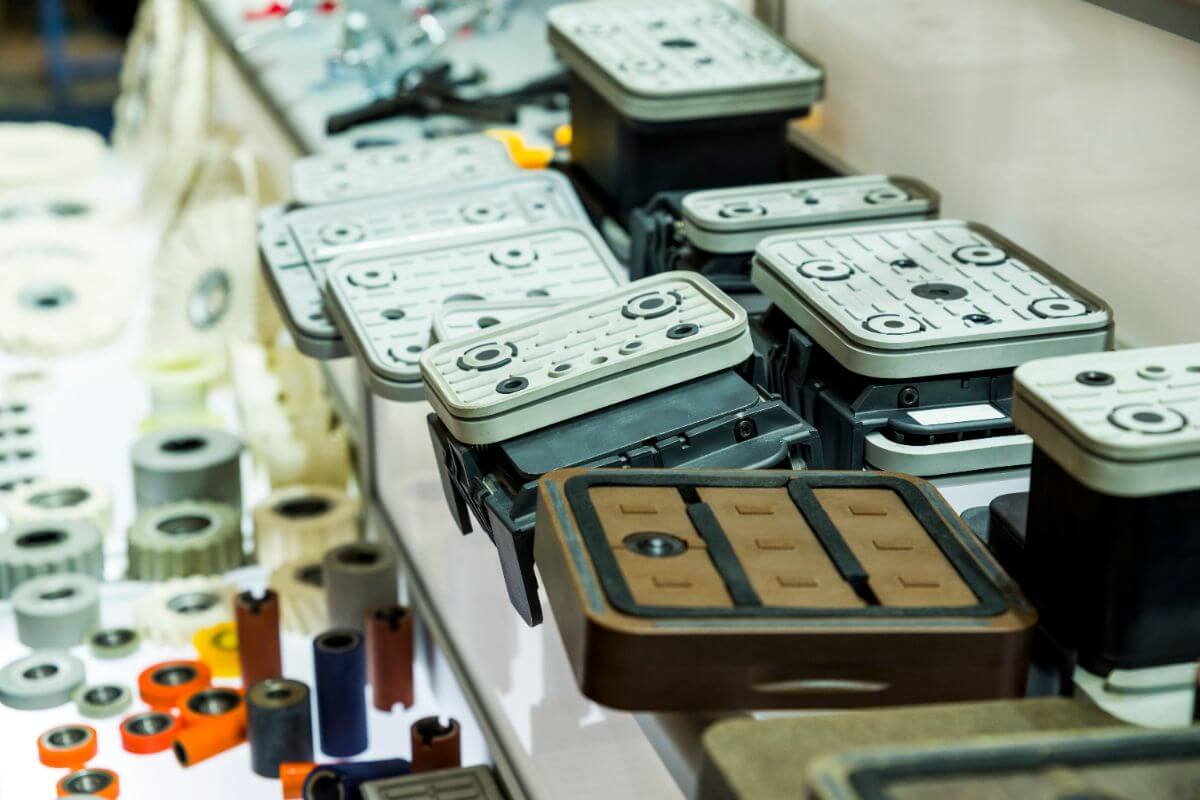
When you need parts that are precise, durable, and visually consistent, full-service plastic injection molding can support a wide range of products across industries. You get reliable components without having to manage multiple vendors, which helps your projects stay on schedule and meet quality expectations.
With a clearer understanding of what is full-service plastic injection molding, you can now explore how integrating design, tooling, and production under one system could unlock faster innovation, reduce unexpected delays, and give your next product a smoother path from concept to market.
Maximize your production with Richfields’ full-service plastic injection molding solutions. From material selection to precision molding and finishing, our expertise ensures high-quality, reliable parts for your business. Contact us today to explore how we can bring your custom plastic products to life.
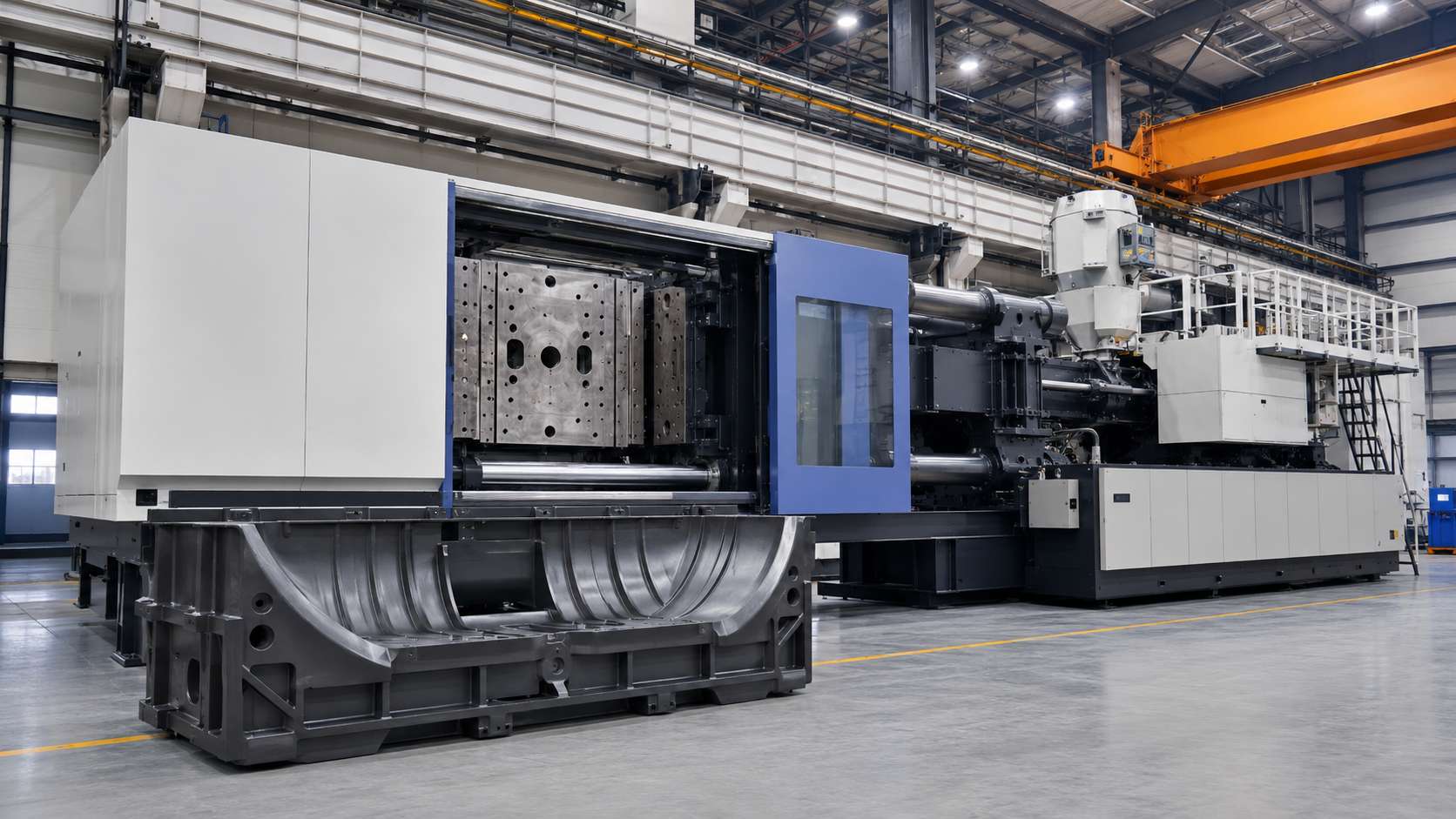
Learn how to evaluate high-tonnage injection molding capacity for large components using key engineering factors for reliable, efficient production.
Read more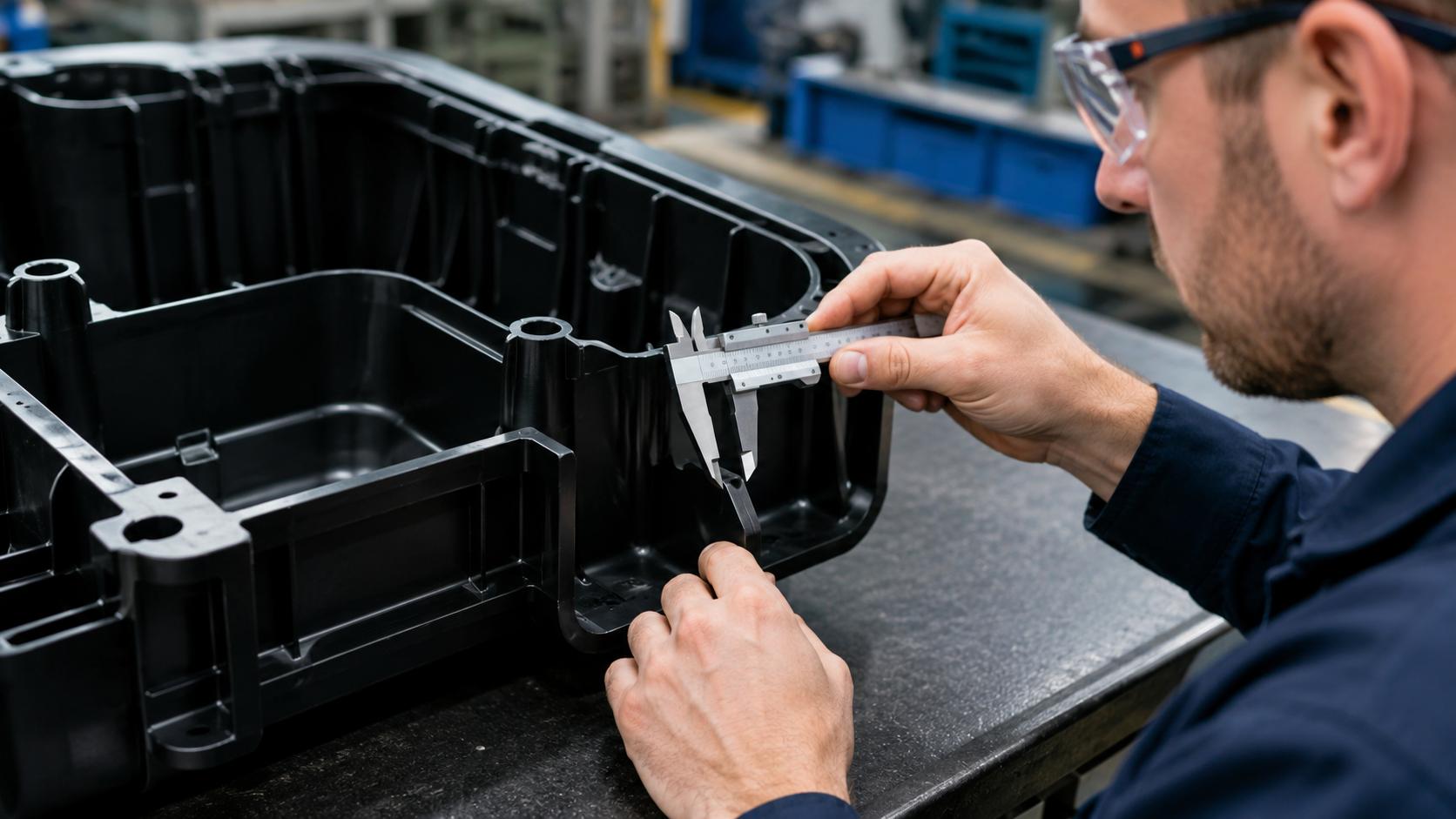
Learn the key wall-thickness guidelines for large injection-molded components that product developers must follow to optimize part performance.
Read more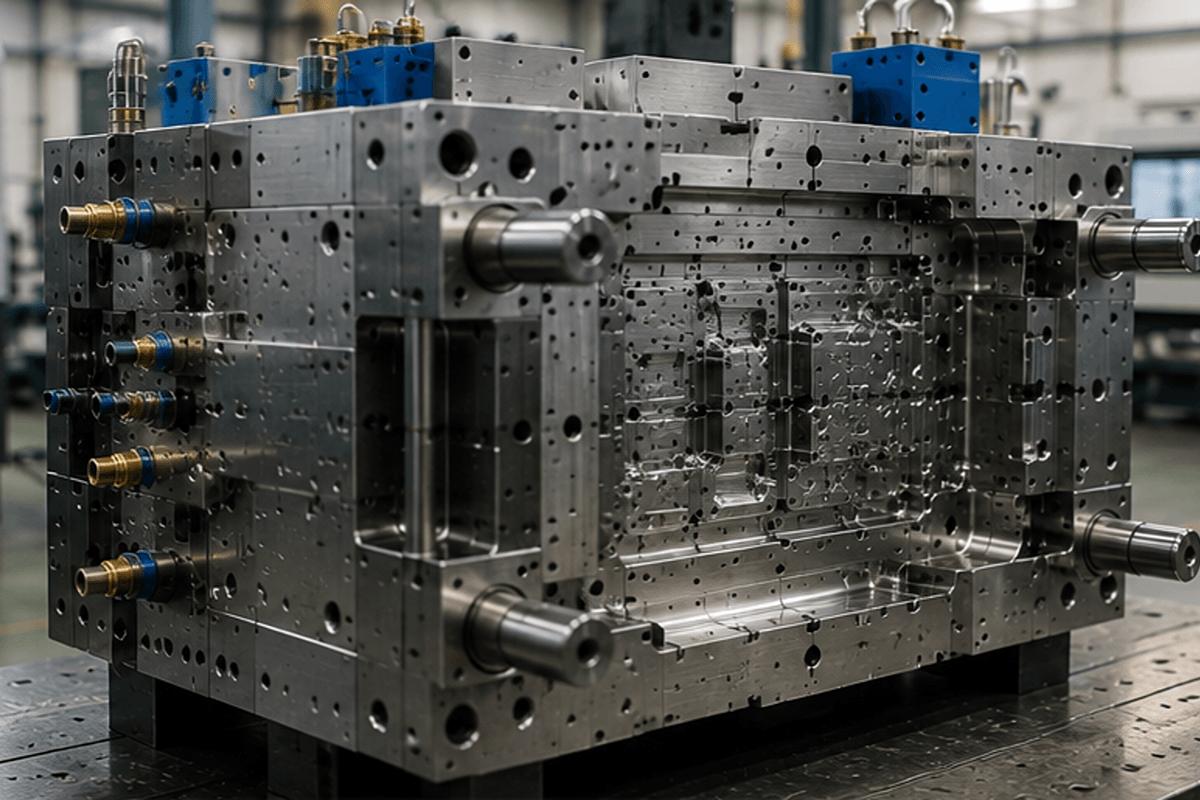
Learn practical ways to assess tooling quotes from injection molding service providers in China for better sourcing decisions and long-term production value.
Read more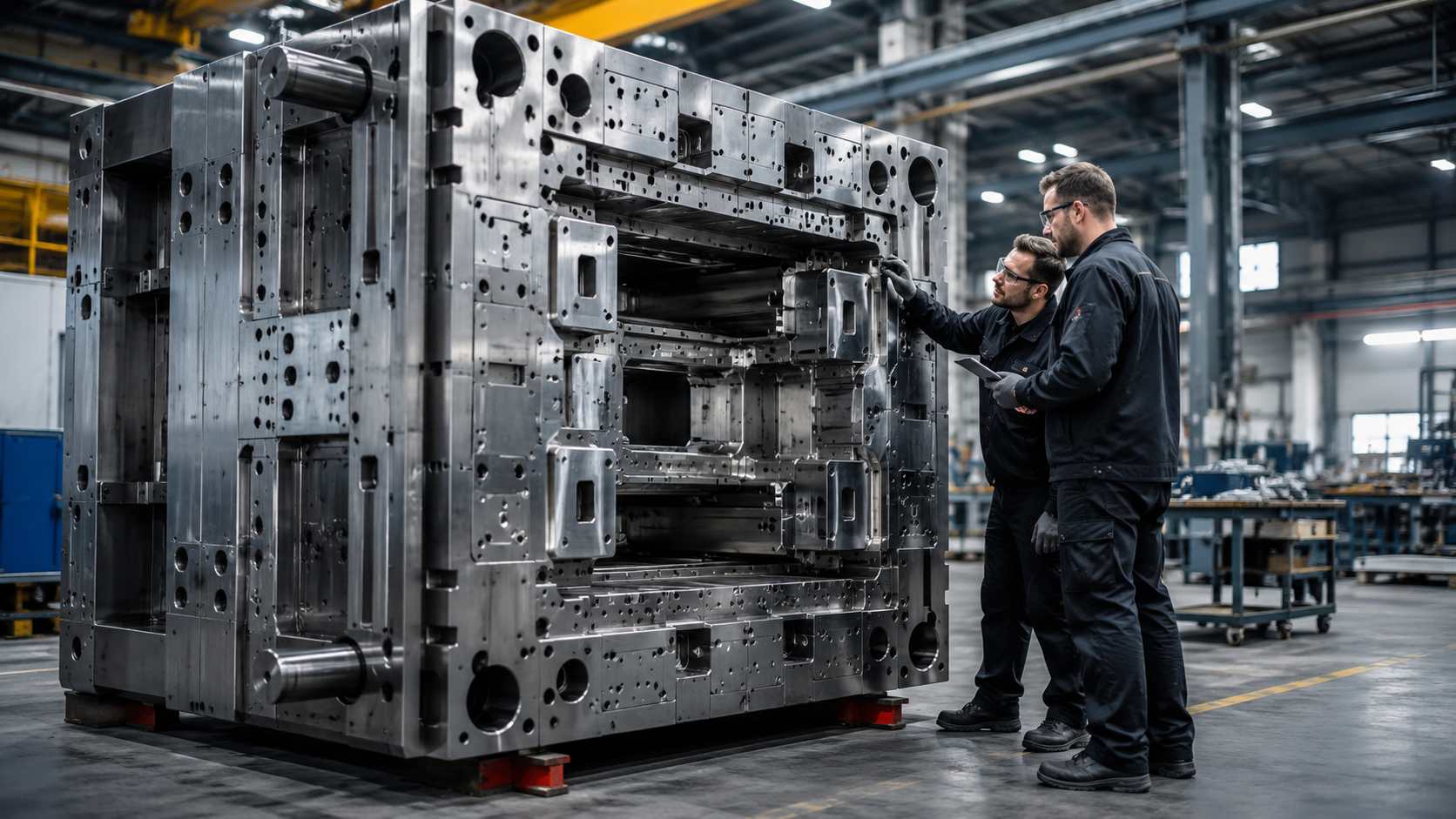
Discover the real cost drivers behind large-part injection mold tooling to understand what influences tooling investment before requesting quotations.
Read more