February 21, 2026
Reducing Cycle Times in Large Size Injection Molding Projects
Overview
- Reducing cycle times in large-size injection molding is essential for meeting production targets, controlling costs, and maintaining delivery schedules.
- Optimizing cooling systems, refining mold and part design, adjusting processing parameters, and improving operational efficiency all contribute to faster, more consistent cycles.
- With these strategies, manufacturers can achieve higher throughput, maintain part quality, and confidently manage complex large-scale injection molding projects.
Meeting production targets in large-size injection molding is a constant challenge, especially for companies in the USA. Long cycle times can slow operations, increase costs, and put pressure on delivery schedules, making efficiency a critical concern for your team.
However, reducing cycle times in large size injection molding projects is far from simple. Multiple interconnected factors influence how smoothly the production runs, and navigating these challenges requires a strategic perspective.
In this article, we will examine the main obstacles that affect cycle times and provide insights to help you approach large-scale projects with greater efficiency and confidence.
Cooling systems directly influence how long each molding cycle takes, especially when you’re producing large, complex components. Because cooling often accounts for the biggest share of the cycle, understanding how heat is removed from your mold can help you see where meaningful time savings may come from without compromising quality or dimensional stability.
Key cooling considerations include:
Part and mold design shape how efficiently your production can run, since geometry influences how material fills, packs, and solidifies. When you look closely at design-related factors, you can better understand how certain features may lengthen or shorten your overall cycle time.
Wall thickness strongly affects how quickly parts solidify. Thinner sections generally cool faster, and features like ribs and gussets can help maintain strength without relying on excess material, allowing you to balance durability and cycle efficiency.
Hot runner systems change how material flows into the cavity by eliminating cold runners. With less plastic to cool and reprocess, you may see shorter cycles and more consistent shot-to-shot conditions.
Venting influences how easily air escapes from the mold during filling. When vents are clean and well-positioned, material can flow more smoothly, which supports stable filling patterns and helps reduce the likelihood of defects that interrupt production rhythm.
Processing parameters affect how material behaves throughout filling, packing, and cooling, making them closely tied to cycle length. Understanding how these variables interact can help you spot where time is being added or where stability can be improved.
Scientific molding uses data from in-mold sensors to track temperature and pressure in real time. This visibility can clarify when a part has effectively packed out, helping you avoid unnecessary dwell time while maintaining consistency.
Holding pressure and time influence final part weight and shrinkage. Observing how parts respond to gradual adjustments can reveal the minimum hold needed to maintain dimensional stability without extending the cycle more than necessary.
Barrel temperature affects how much heat enters the mold at the start of each cycle. When temperatures are aligned with the material’s processing window, you can achieve proper flow while limiting excess heat that would later need to be removed.

Machine capability and day-to-day operations influence how smoothly your cycles repeat over time. When you look at equipment performance and workflow efficiency, you gain a clearer picture of where delays or variability may arise.
Key approaches that support operational efficiency include:
Richfields Corporation is a leading provider of large-scale plastic molding solutions, relied on by manufacturers across the USA for producing high-quality, durable components. From large industrial parts to precision-engineered assemblies, we deliver solutions that balance efficiency, consistency, and performance across even the most demanding production requirements.
With decades of experience, advanced molding technology, and robust process controls, we help ensure predictable cycle times and consistent part quality. Our expertise in large-size injection molding allows you to manage complex production programs with greater confidence, while we maintain the repeatability and precision your projects demand.
By reducing cycle times in large size injection molding projects, you can now explore higher production volumes, take on more complex designs, and plan schedules with greater confidence in meeting delivery deadlines.
For efficient and high-quality injection molding solutions, Richfields Corporation stands as your trusted manufacturing partner. With advanced large-scale molding capabilities and global production expertise, we deliver precision, consistency, and on-time results. Contact us today to discuss your project and discover how we can help optimize your production performance.
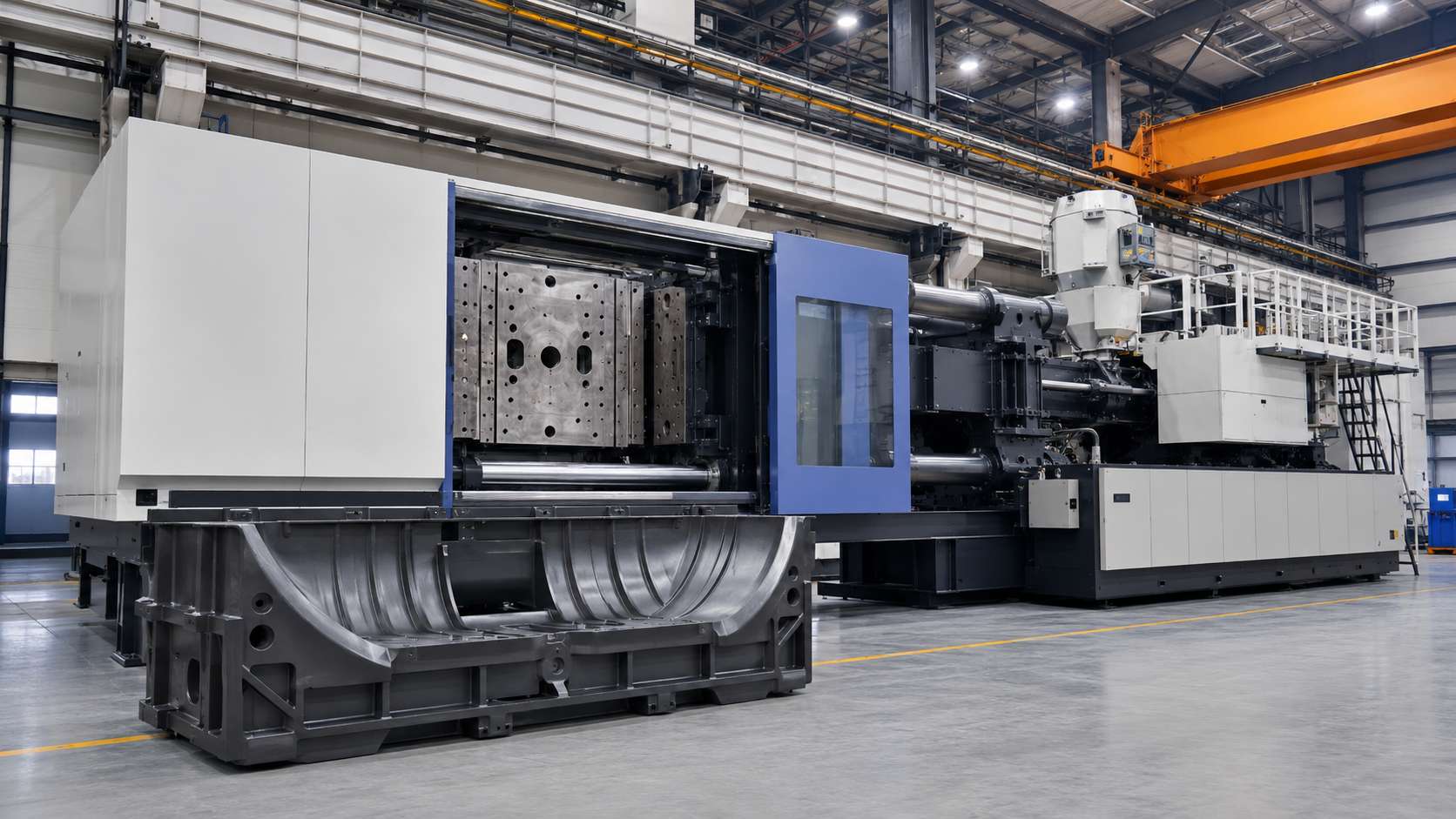
Learn how to evaluate high-tonnage injection molding capacity for large components using key engineering factors for reliable, efficient production.
Read more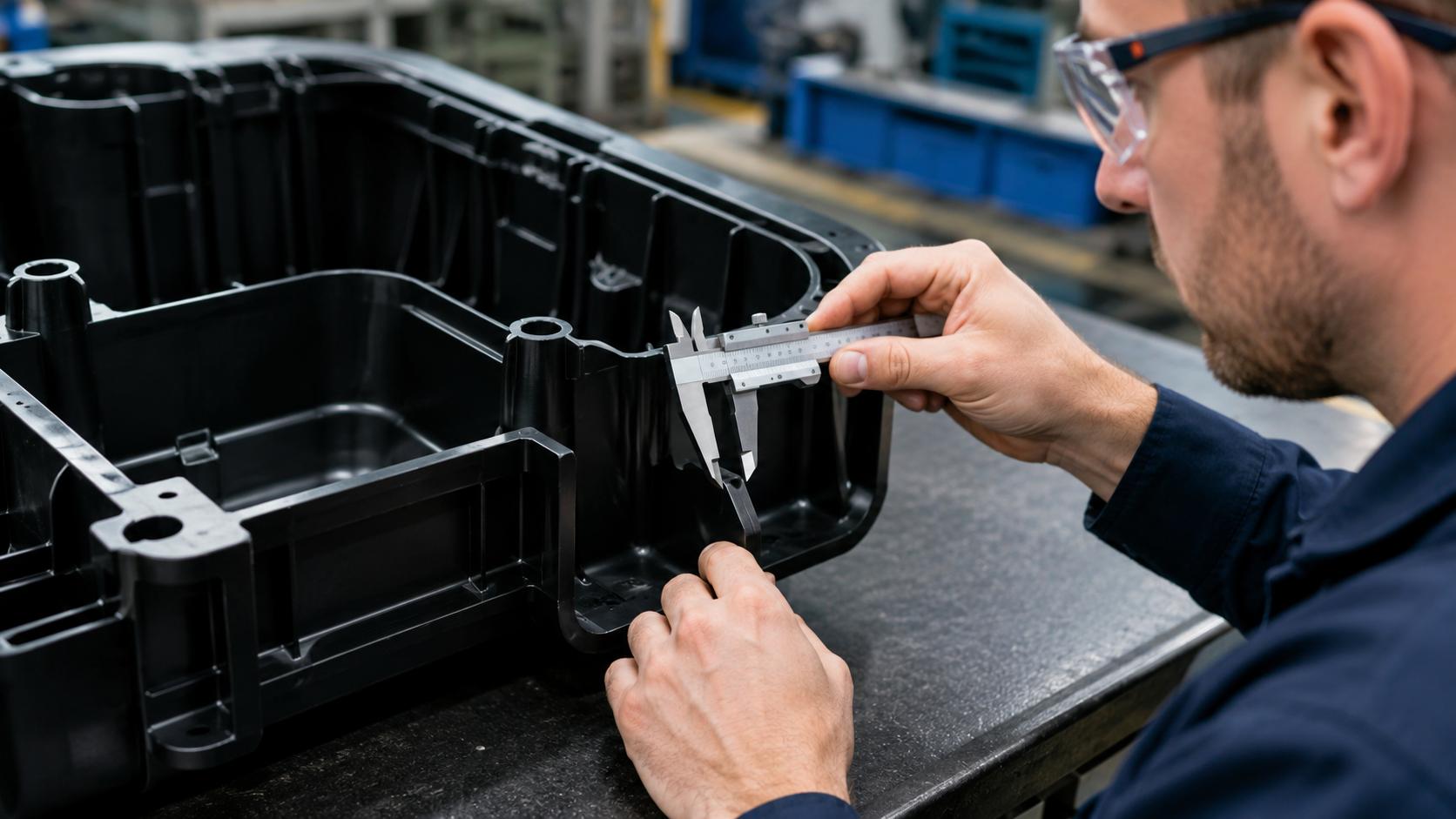
Learn the key wall-thickness guidelines for large injection-molded components that product developers must follow to optimize part performance.
Read more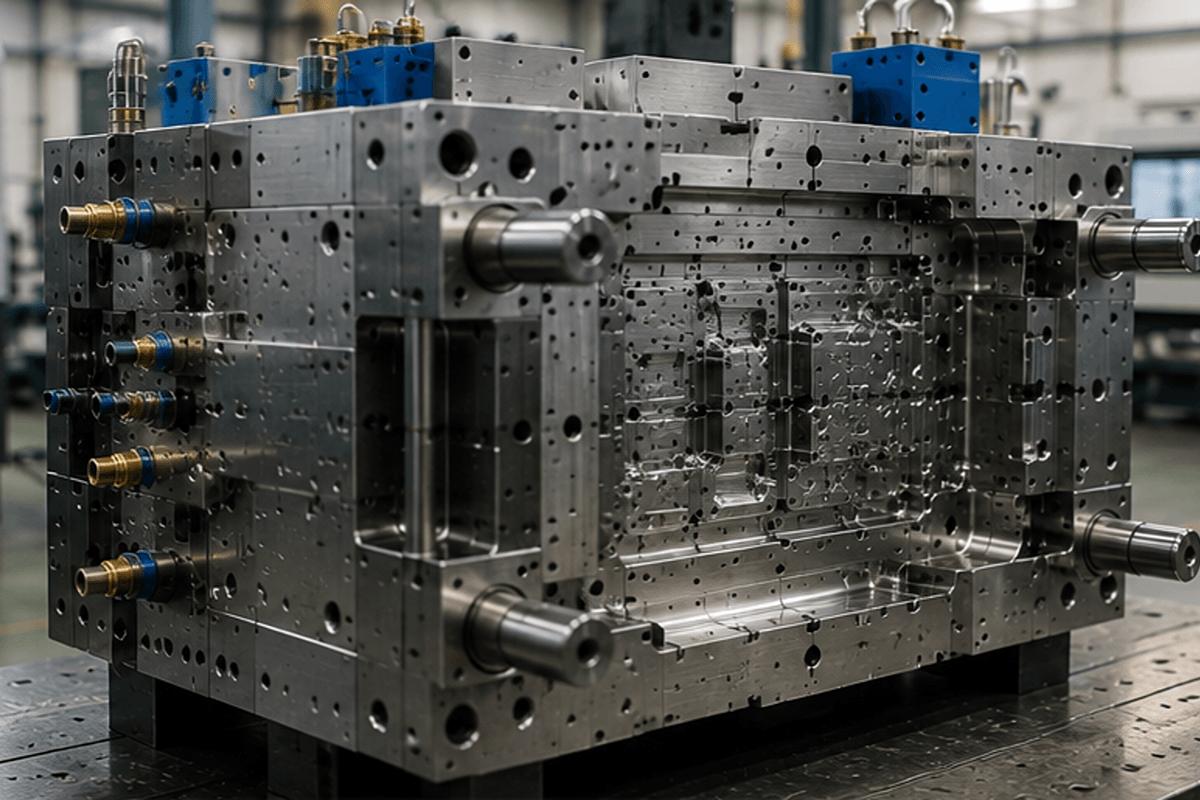
Learn practical ways to assess tooling quotes from injection molding service providers in China for better sourcing decisions and long-term production value.
Read more
Discover the real cost drivers behind large-part injection mold tooling to understand what influences tooling investment before requesting quotations.
Read more