April 18, 2026
Factors to Consider When Sourcing Large-Part Injection Molding Overseas
Overview
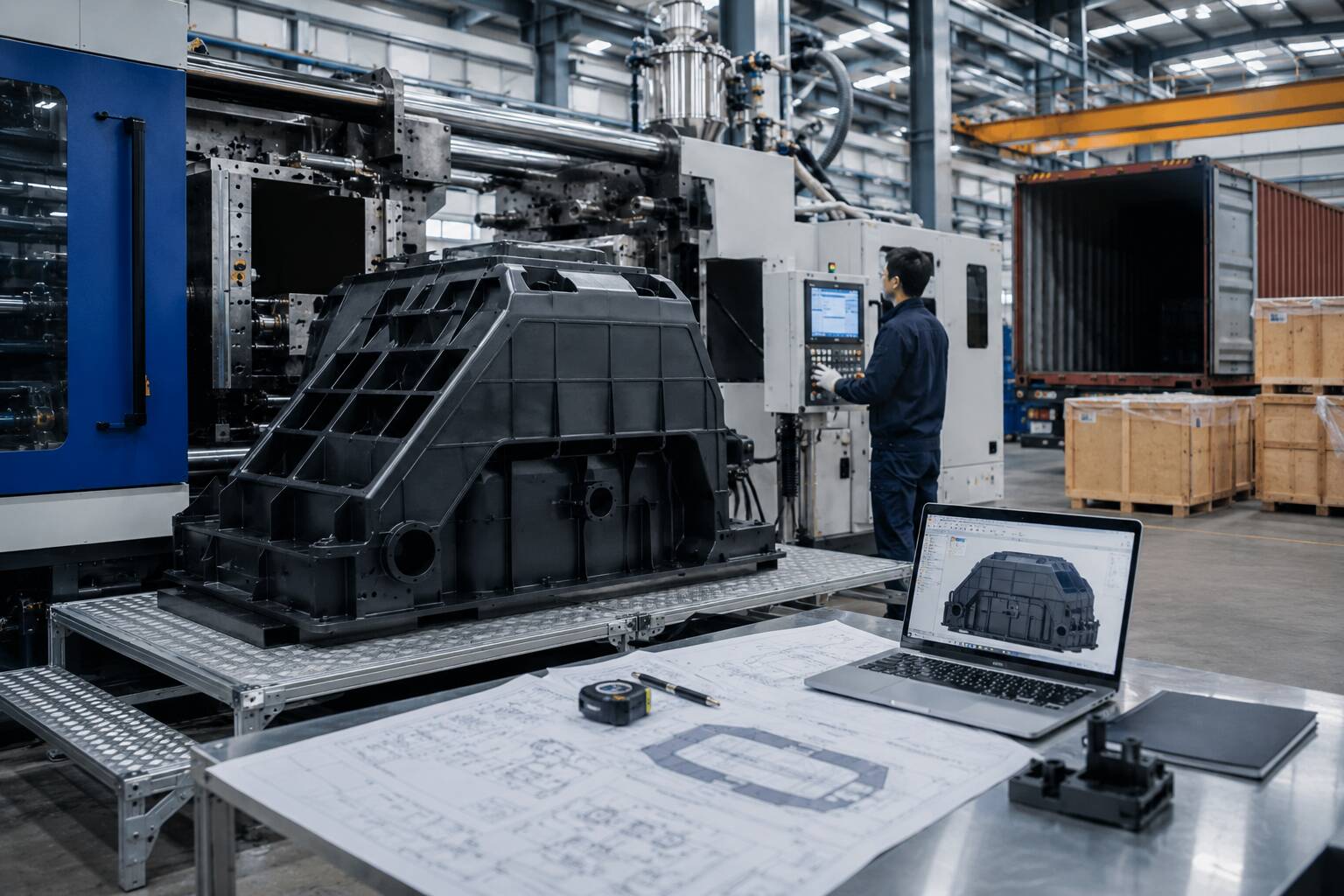
- Sourcing large-part plastic injection molding overseas requires evaluating technical capability, quality control, logistics, communication, and risk management beyond pricing alone.
- Key factors include machinery, molding techniques, material knowledge, ISO certification, tooling expertise, and supply chain coordination.
- Strong supplier evaluation helps ensure consistent quality, reduced risks, and reliable long-term manufacturing partnerships.
Businesses are increasingly turning to overseas partners for large-part plastic injection molding to optimize production and manage costs. However, selecting a supplier goes beyond comparing pricing alone.
For companies in the USA, careful evaluation is essential to ensure consistent quality, minimize risks, and establish reliable manufacturing partnerships that support long-term operational goals.
In this article, we discover the factors to consider when sourcing large-part injection molding overseas.
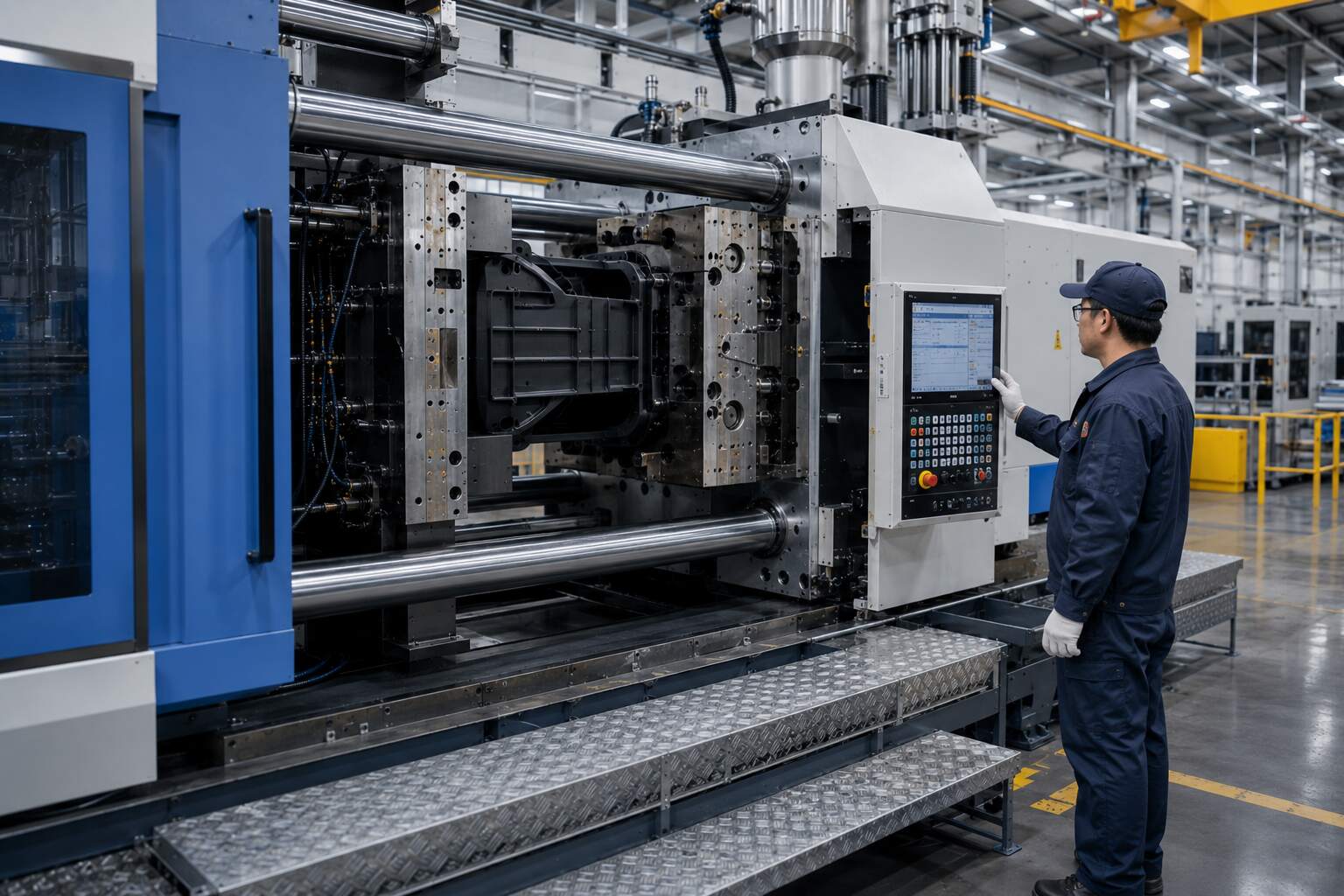
When sourcing materials for large-part injection molding, it is important to assess a distributor’s technical capabilities and equipment. Proper machinery, tooling expertise, and production capabilities ensure accurate, efficient, and scalable manufacturing of large components.
The process requires sufficient clamping force, or tonnage, to keep the mold securely closed during injection. Higher-tonnage presses are essential for large components, as they support bigger molds and maintain the pressure needed for proper material flow. Evaluating machine capability and production experience helps ensure precision and structural integrity are maintained.
Large molded parts require advanced techniques that improve performance and reduce defects. Methods such as gas-assisted molding, structural foam molding, and multi-material molding help optimize strength, material distribution, and weight efficiency.
These approaches allow manufacturers to produce complex components with better consistency and improved structural results.
Automation improves efficiency by handling part removal, inspection, and secondary processes, reducing manual errors and ensuring consistent production cycles. Tooling expertise is equally important for ensuring proper mold design, durability, and effective cooling performance.
At Richfields, we combine advanced automation systems with precision tooling to ensure stable production and reliable part quality for large-scale injection molding projects.
Quality control is essential in large-part injection molding to ensure components meet design and performance requirements. Strong inspection systems and consistent material management help maintain uniformity and reduce production defects.
Dimensional accuracy refers to a manufacturer’s ability to produce components that match the exact measurements and tolerances specified in the design. This is especially critical for large injection molded parts, where even minor deviations can affect assembly, structural integrity, and overall performance.
Richfields applies strict measurement verification processes supported by advanced inspection tools and experienced technical teams. Through controlled production parameters and detailed evaluation methods, we ensure all components meet required specifications and perform reliably.
Manufacturers must consider key material properties such as reinforcement, flexibility, heat resistance, and shrinkage rates to ensure suitability for the application. They must also understand how materials behave during molding, including flow, cooling, and solidification within the mold.
This expertise allows precise adjustment of processing conditions, helping maintain quality and reduce the risk of defects in production.
ISO certifications assure procurement teams that a supplier follows standardized systems for manufacturing, documentation, and continuous improvement. These certifications demonstrate compliance with global quality requirements and industry best practices.
Working with ISO-certified manufacturers like Richfields helps ensure consistent product quality and alignment with international standards.
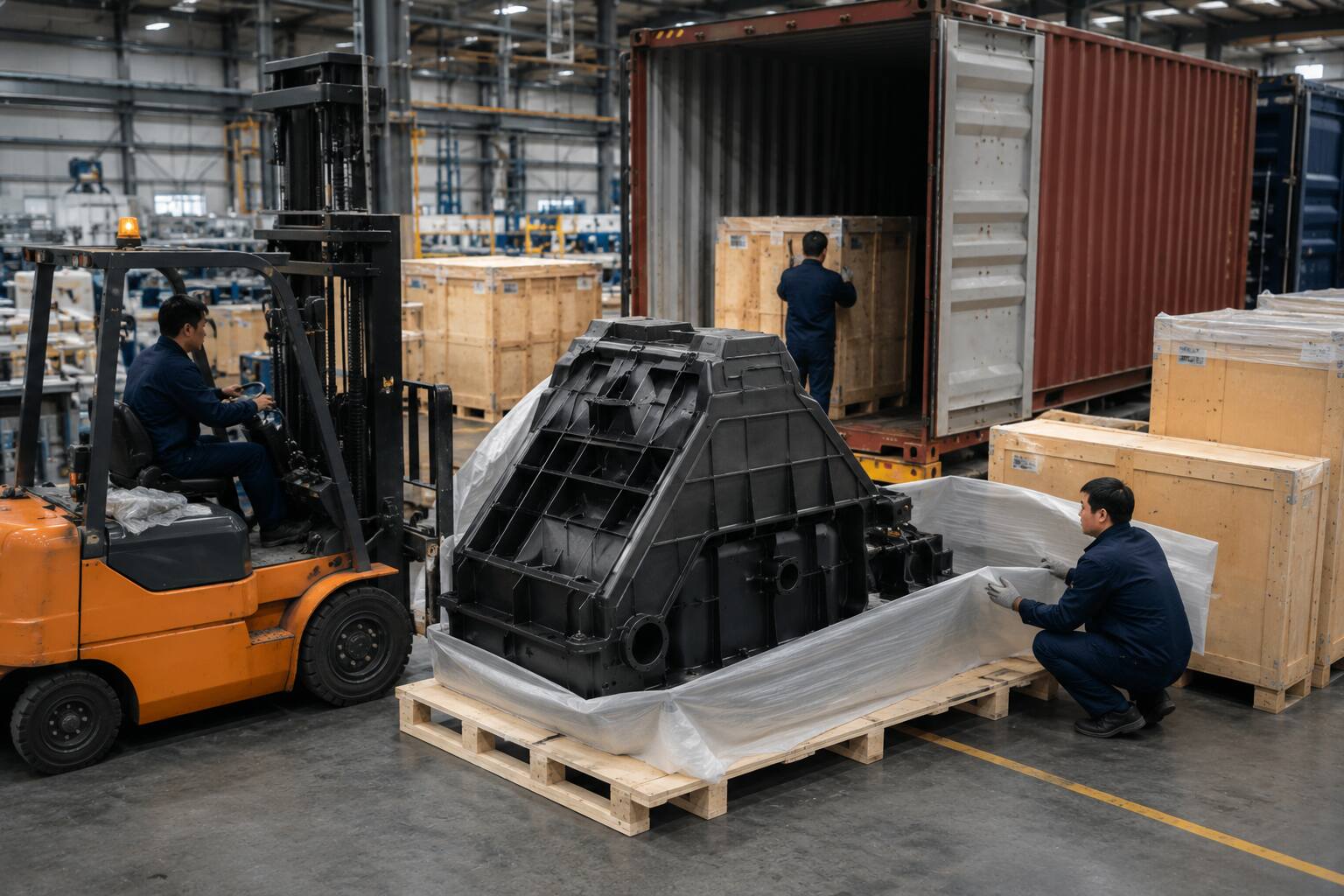
Appropriate planning and coordination ensure on-time delivery, minimize transportation risks, and maintain smooth production workflows from the manufacturer to the end facility.
Transporting large molds and finished components requires careful planning to prevent damage and ensure timely delivery. Proper packaging, handling equipment, and reliable logistics partners are essential for safely moving heavy and bulky items without compromising their integrity.
Procurement teams should work closely with manufacturers to coordinate shipping schedules and select appropriate freight methods for efficient and secure delivery.
Large molds are complex and costly, requiring controlled storage conditions to prevent corrosion, deformation, or mechanical wear. Proper maintenance programs help extend mold lifespan and ensure consistent performance across multiple production cycles.
Suppliers that implement regular upkeep systems can maintain mold quality and support long-term production reliability.
Import duties, documentation, and regulatory requirements can significantly impact project cost and delivery timelines if not properly managed. It is important to account for tariffs, paperwork, and compliance requirements when selecting an overseas partner.
Understanding these factors helps businesses avoid unexpected costs, streamline customs processing, and maintain stable supply chain operations.
Comprehensive collaboration ensures that design specifications, production updates, and approvals are accurately conveyed. This minimizes errors and keeps large-part manufacturing projects on time.
Manufacturers that offer Design for Manufacturability (DFM) support help identify potential production issues early. This improves part geometry, material selection, and tooling design, reducing defects and improving yield.
Integrating engineering reviews during the design stage streamlines the process, reduces revisions, shortens lead times, and ensures higher-quality outcomes for large molded components.
Real-time progress reporting enables tracking of each production stage, early identification of delays, and timely decision-making. It keeps all stakeholders informed about mold preparation, part production, and quality inspections.
With real-time visibility, teams can address issues quickly, maintain schedules, and ensure large-scale projects are delivered on time and to specification.
Identifying potential issues early—such as production delays, quality concerns, and supply chain inefficiencies—helps procurement teams protect schedules, control costs, and maintain product integrity.
Protecting intellectual property is essential to ensure that design files, mold specifications, and proprietary processes are not misused or replicated without authorization. Suppliers with strong IP protection measures—such as non-disclosure agreements, secure file storage systems, and controlled access to tooling—provide greater security for confidential product information.
Tool ownership can vary when working with overseas suppliers, and in some cases, manufacturers retain control of the molds. This can affect pricing, production flexibility, and future sourcing options.
Buyers need to clarify ownership terms early to ensure the ability to produce additional parts, modify designs, or transfer production when needed. Clear agreements help prevent disputes and provide long-term control over manufacturing assets.
The factors to consider when sourcing large part injection molding overseas empower businesses to secure efficient, high-quality production. By prioritizing these elements, companies minimize risks, optimize costs, and foster reliable partnerships that drive long-term success in global manufacturing.
Ready to elevate your large-part molding projects? Partner with Richfields Corporation, China’s premier injection molding expert, for cutting-edge capabilities and proven results. Reach out to us today to learn more!
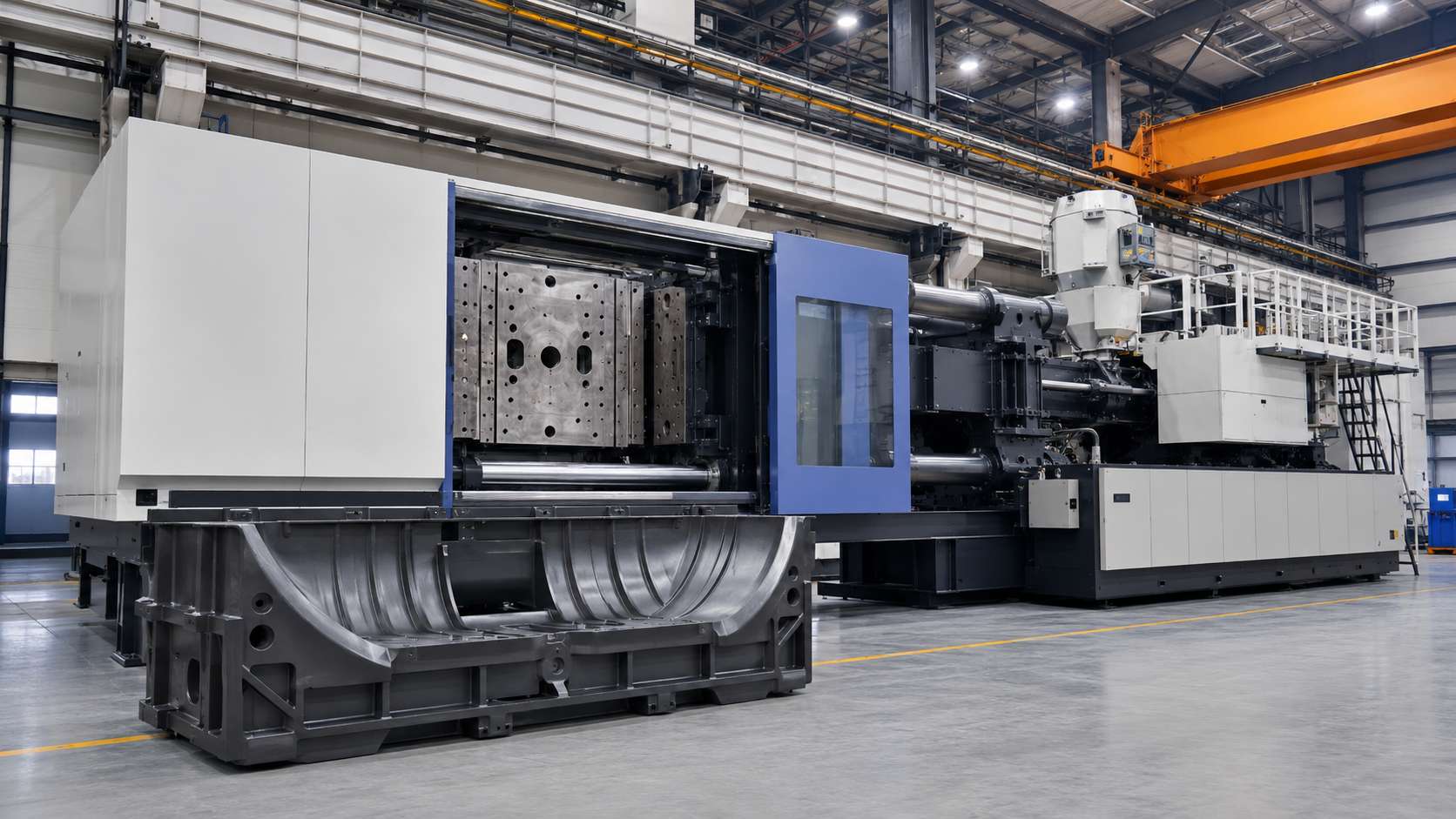
Learn how to evaluate high-tonnage injection molding capacity for large components using key engineering factors for reliable, efficient production.
Read more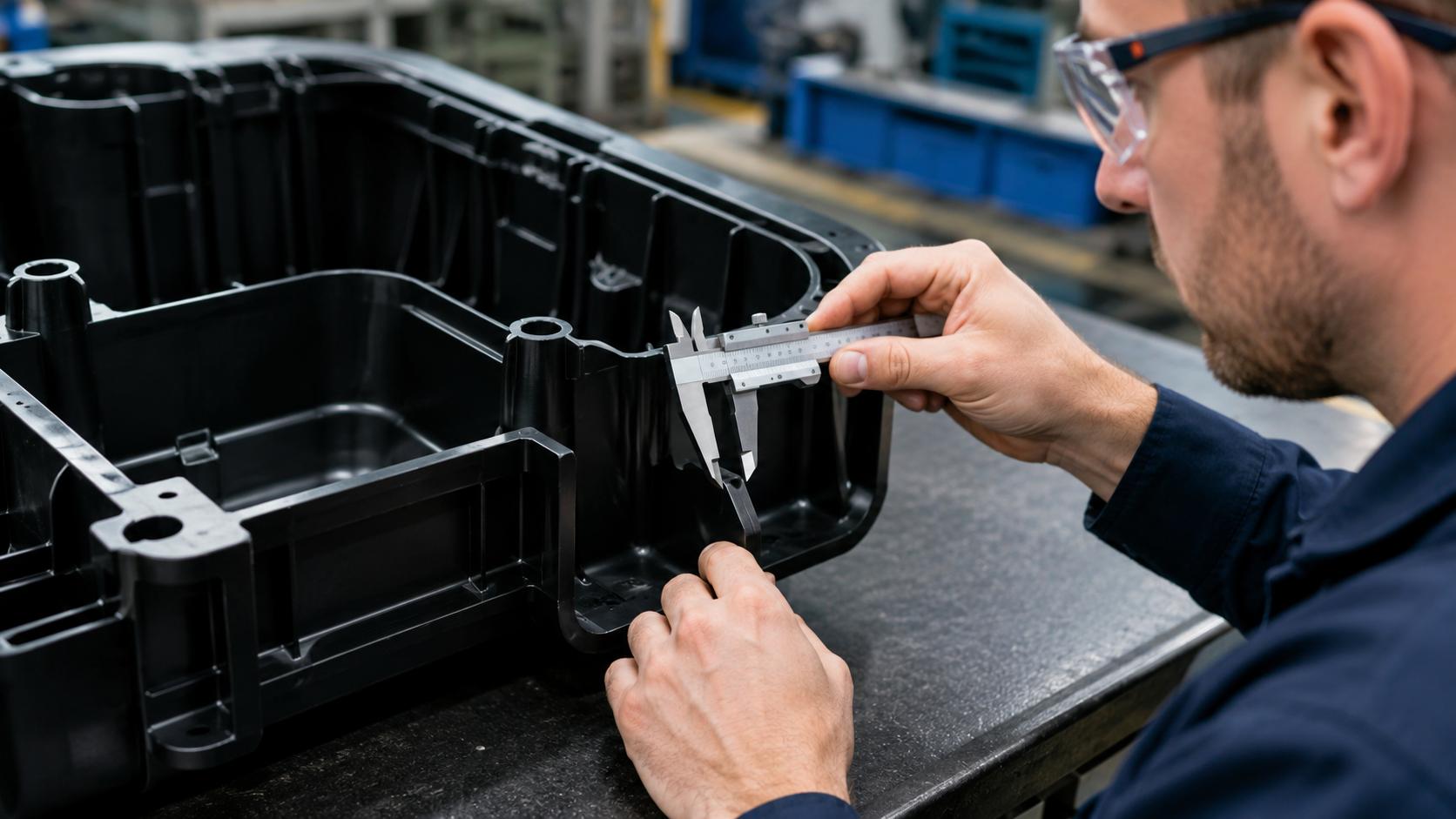
Learn the key wall-thickness guidelines for large injection-molded components that product developers must follow to optimize part performance.
Read more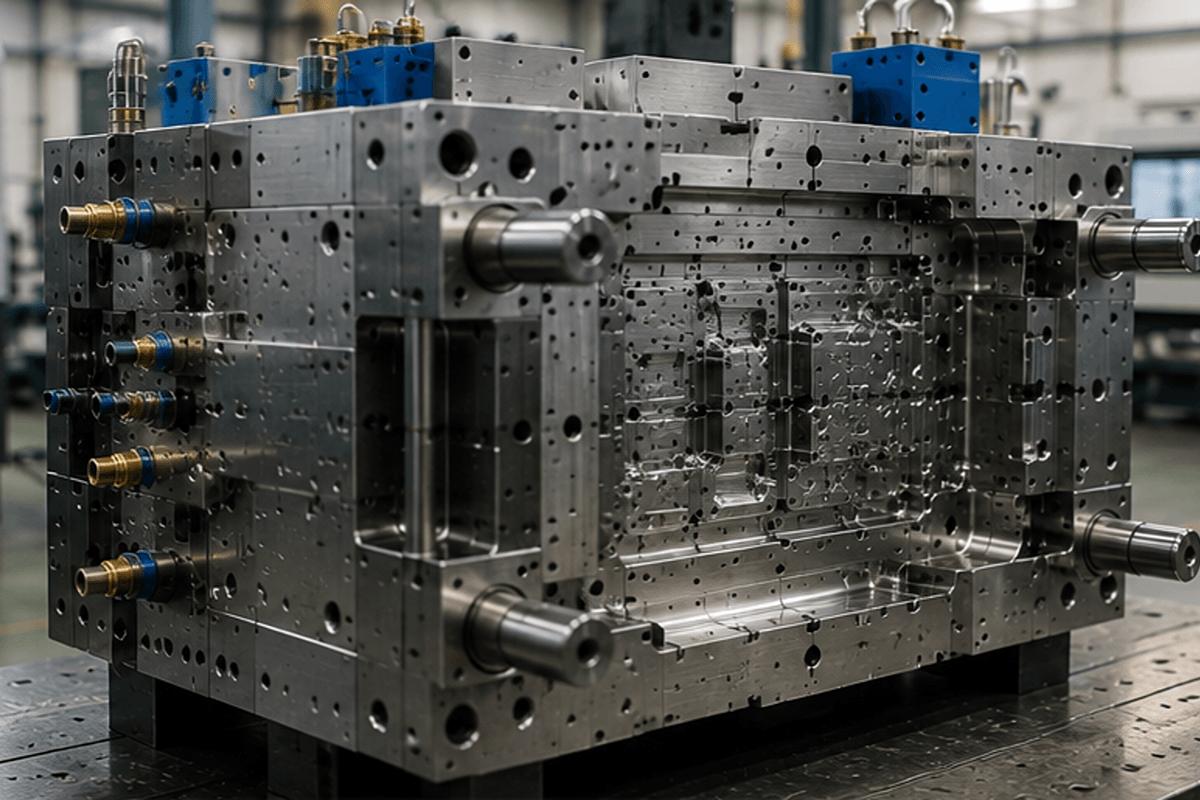
Learn practical ways to assess tooling quotes from injection molding service providers in China for better sourcing decisions and long-term production value.
Read more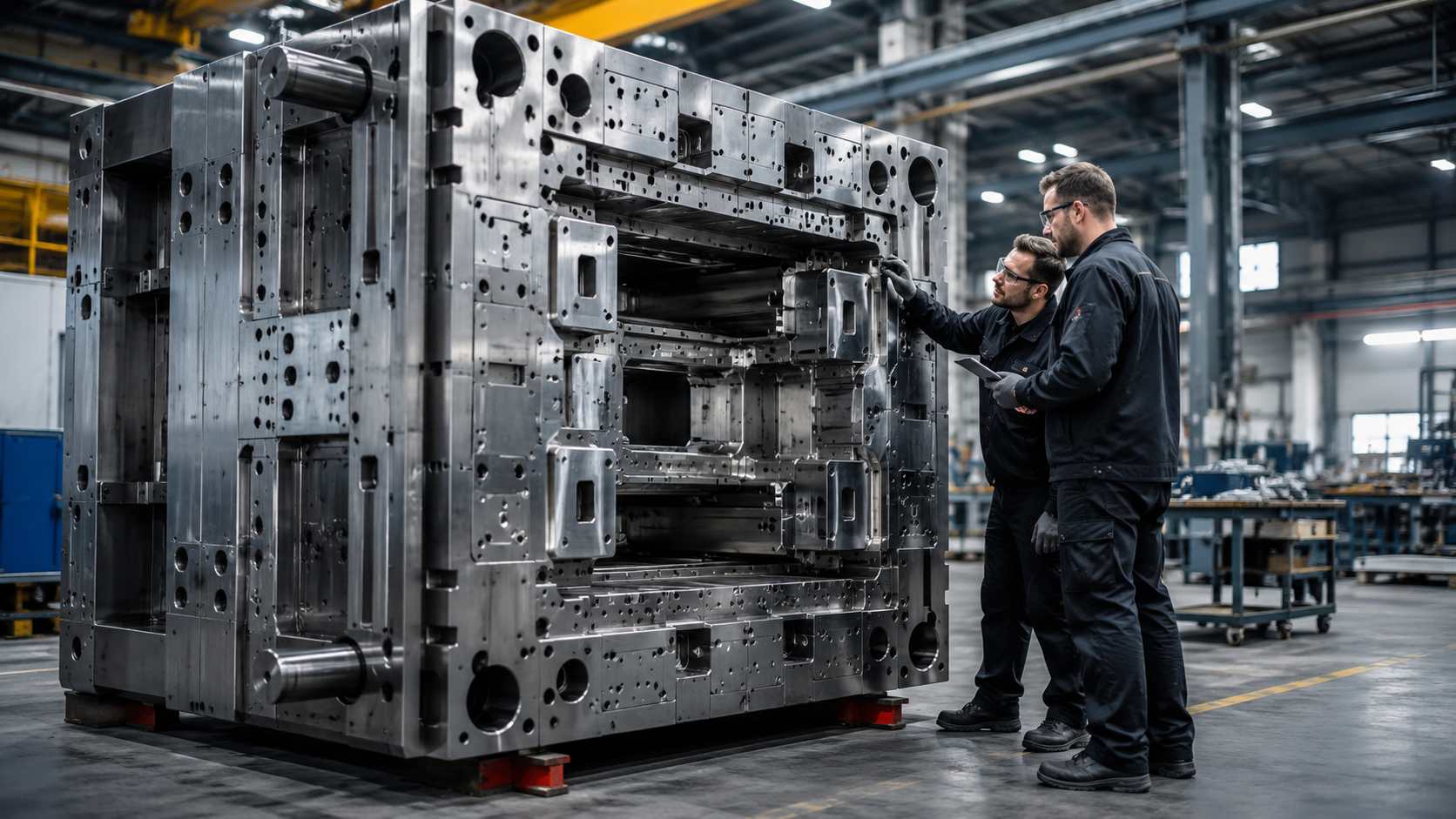
Discover the real cost drivers behind large-part injection mold tooling to understand what influences tooling investment before requesting quotations.
Read more