April 16, 2026
How to Select Materials for Large Injection Molded Parts

Overview
- Selecting the right material for large injection molded parts is crucial to ensure performance, durability, and cost-efficiency in production.
- Consider functional requirements, environmental exposure, manufacturing constraints, cost, and aesthetics to choose a material that meets both operational and design needs.
- By understanding these factors, you can make informed decisions that produce reliable, high-quality, large molded components while optimizing production and long-term performance.
Selecting the right materials for large injection molded parts is a critical decision that can significantly affect a product’s performance, manufacturing efficiency, and overall cost. For companies in the USA, this is especially critical as large parts often present unique design and production considerations.
However, understanding which material properties align best with a part’s functional and production requirements can be complex. To help make your procurement process easier, in this article, we will take a closer look at how to select materials for large injection molded parts, highlighting key considerations and strategies that help you make informed, reliable, and cost-effective decisions.
Defining the functional requirements of a large injection-molded component starts with understanding the performance demands it will face. For parts exposed to stress, temperature changes, or environmental factors, the material’s mechanical, thermal, and chemical properties directly influence reliability and durability.
Key factors in evaluating functional requirements include:
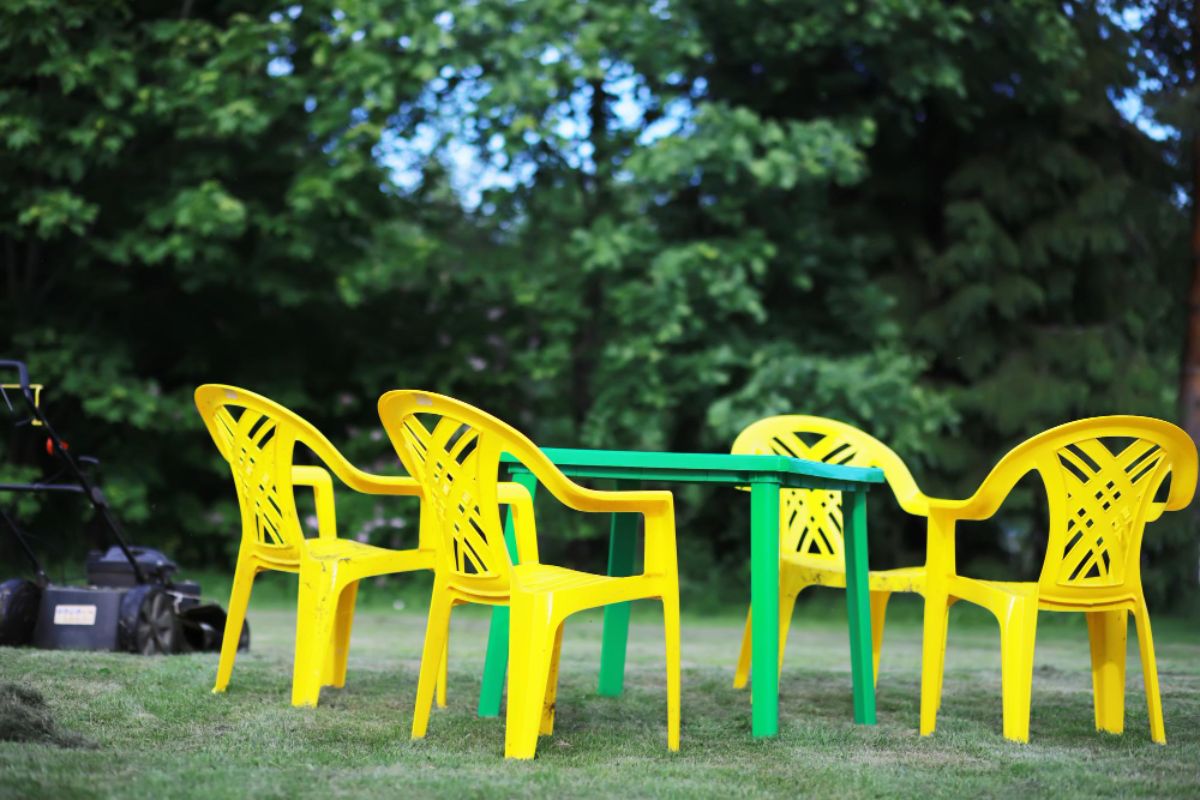
Environmental conditions can significantly affect the long-term performance of a component. Understanding these conditions helps you select materials that maintain durability and functionality over time.
Important considerations include:
Manufacturing factors often determine which materials are practical for large parts. Different polymers behave differently in the mold, and part size or complexity can affect flow, cooling, and defect rates.
Key considerations include:
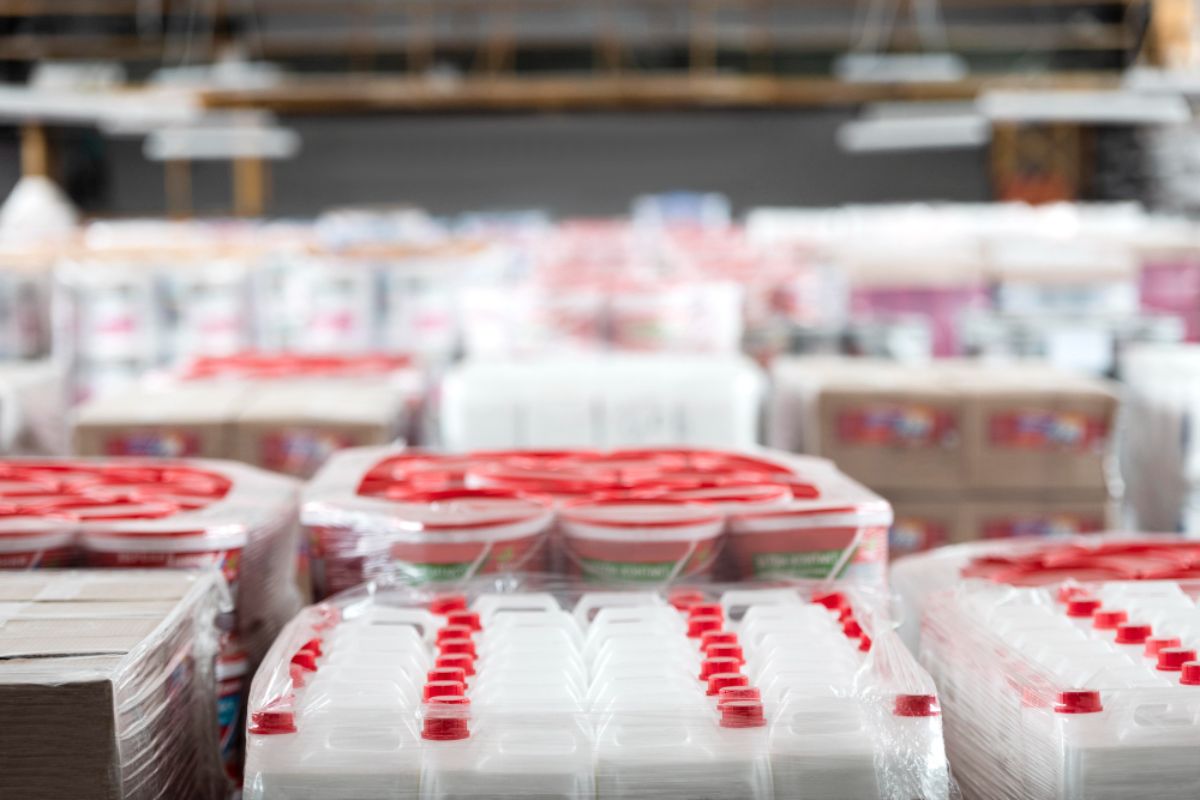
Cost-effectiveness goes beyond material price and includes processing requirements, cycle efficiency, and long-term performance. Considering these factors together gives a clearer picture of total ownership costs.
Evaluation factors include:
The visual and tactile qualities of a component can influence usability and perceived quality. Your material choice affects how easily colors, textures, and surface finishes can be applied and maintained across production runs.
Relevant considerations include:
Understanding how to select materials for large injection-molded parts also means being familiar with the components commonly used. This includes:
Large injection-molded components require attention to key factors that influence quality and performance. Awareness of these considerations helps you anticipate how materials and design choices will behave during production.
Shrinkage and warpage can affect part dimensions and fit. Materials have different shrinkage rates, and design choices like uniform wall thickness or reinforcements can help maintain consistency and reliability.
The flow length, or the distance molten material travels, impacts part quality. Higher viscosity materials may require more pressure, and proper gate placement helps the material fill evenly, reducing defects and ensuring consistent shape and strength.
Prototyping allows you to test your material and design under realistic conditions. This step helps evaluate durability, detect shrinkage or warpage, and refine details before full-scale production, giving you confidence that your component will perform as expected.
With this guide, you can now make more informed decisions about material selection for large injection molded parts, anticipating performance needs, production challenges, and long-term costs to ensure reliable, high-quality components for your projects.
Richfields, a leading large injection molding company with operations across China, the USA, and Europe, delivers reliable solutions for producing high-quality large molded parts. Our expertise helps manufacturers achieve consistent quality while meeting demanding production requirements. Reach out to us today to discuss materials and solutions for your next project.
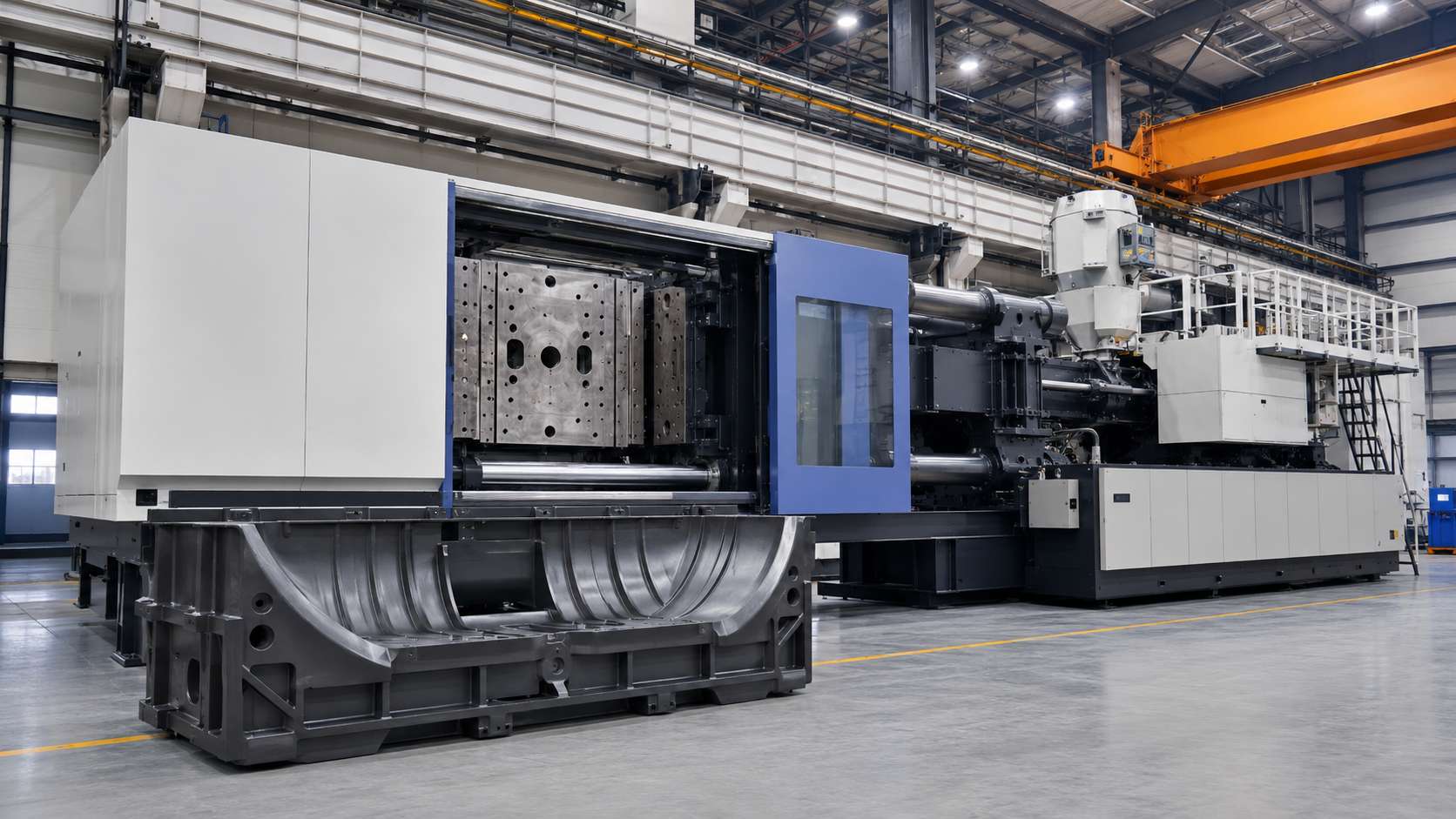
Learn how to evaluate high-tonnage injection molding capacity for large components using key engineering factors for reliable, efficient production.
Read more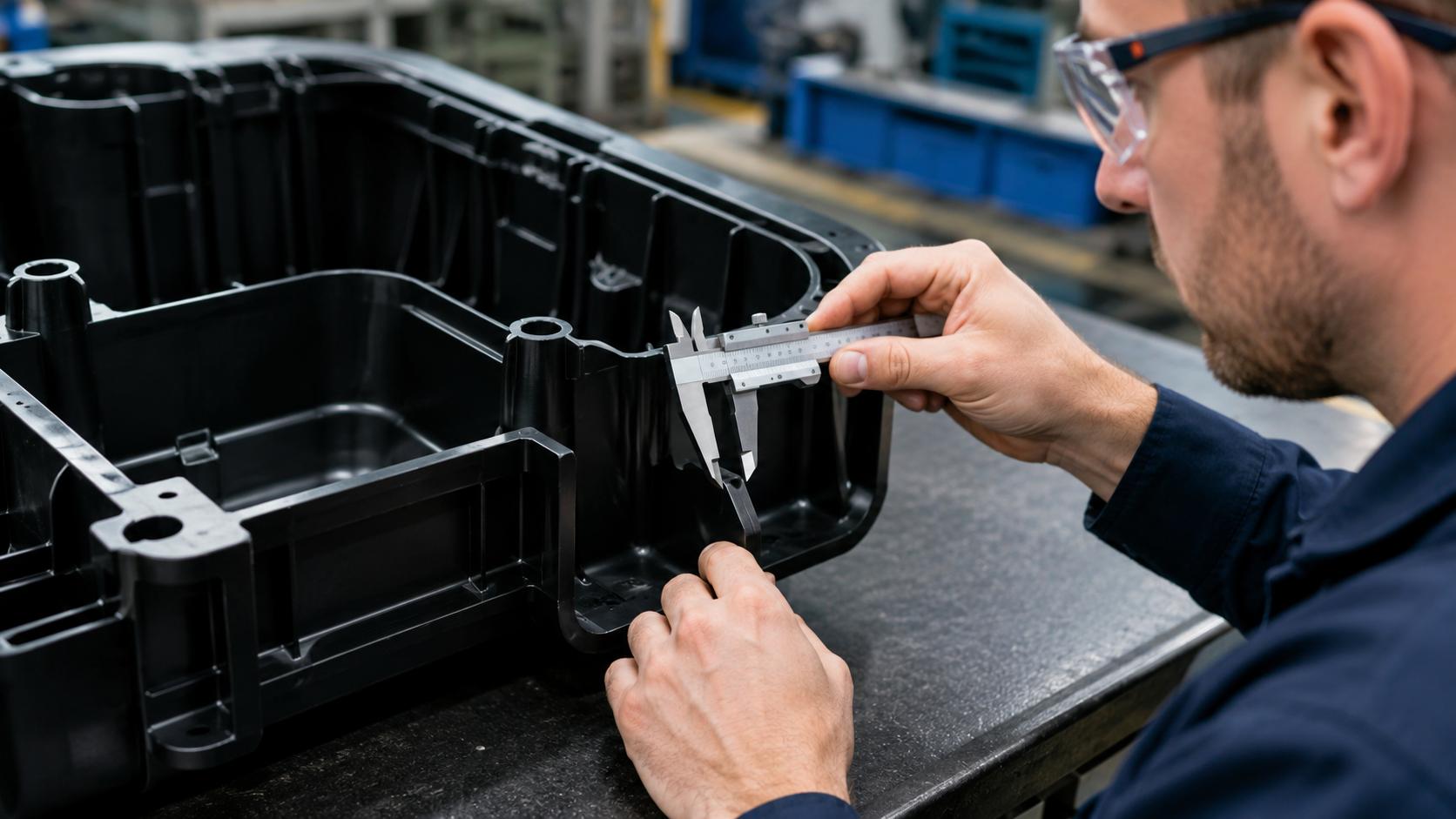
Learn the key wall-thickness guidelines for large injection-molded components that product developers must follow to optimize part performance.
Read more
Learn practical ways to assess tooling quotes from injection molding service providers in China for better sourcing decisions and long-term production value.
Read more
Discover the real cost drivers behind large-part injection mold tooling to understand what influences tooling investment before requesting quotations.
Read more