April 12, 2026
How Large Molds Shape the Future of the Furniture Sector

Overview
- Large injection molds are transforming furniture manufacturing by enabling intricate designs, modular components, and integrated features that expand creative possibilities.
- They improve efficiency, consistency, and sustainability by optimizing material use, reducing waste, and supporting durable, long-lasting components.
- Understanding and adopting large mold technology allows furniture manufacturers to balance innovation, operational efficiency, and environmental responsibility for future-ready production.
As furniture designs grow larger and more complex, maintaining consistency at scale becomes a critical challenge across modern manufacturing. This is where large plastic injection molding plays a defining role. This type of process enables the production of structurally sound, repeatable components across high-volume runs without sacrificing precision.
By using large molds, manufacturers can achieve uniform wall thickness, dimensional accuracy, and dependable strength—even in oversized or load-bearing furniture parts. For companies in the USA looking to scale production while keeping quality predictable, this approach supports both operational efficiency and long-term product reliability.
Understanding how large molds shape the future of the furniture sector reveals why scalable molding technologies are becoming essential to competitive, future-ready furniture manufacturing.
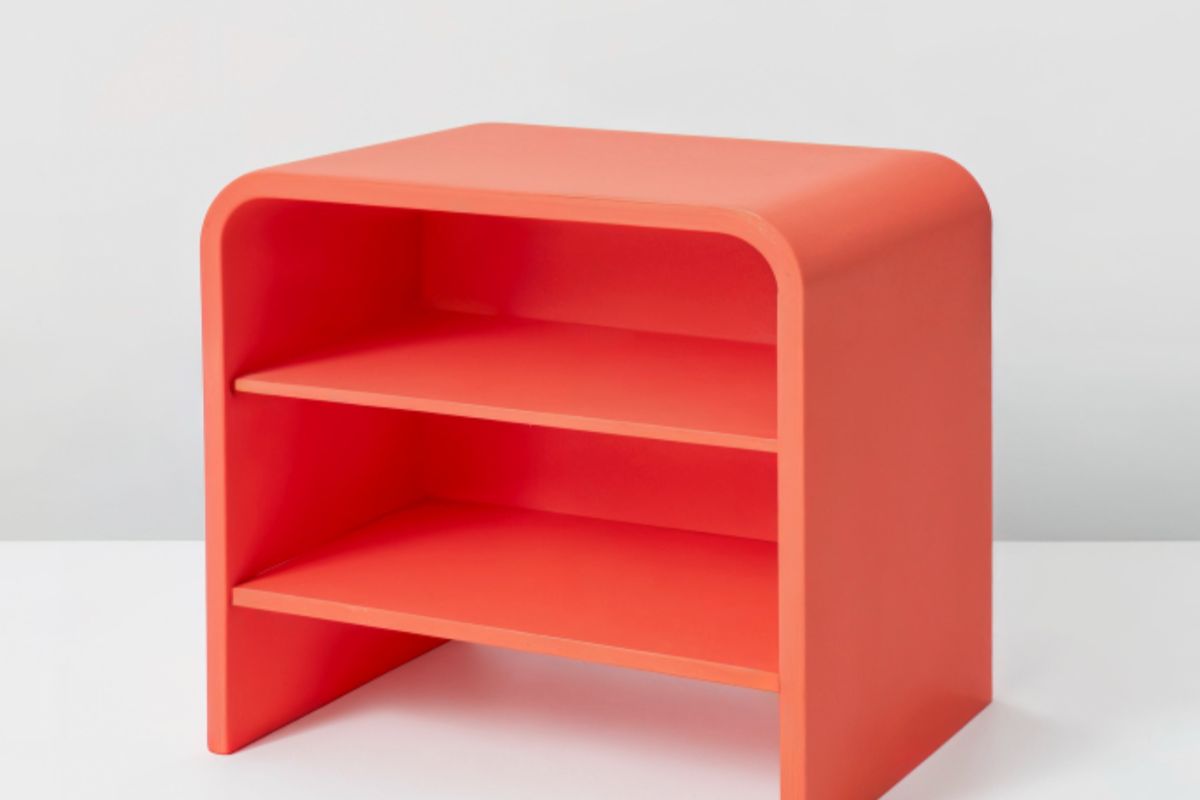
As furniture components increase in size and structural complexity, design freedom must be balanced with repeatability at scale. Larger, high-precision molds make it possible to translate ambitious designs into production-ready parts while maintaining consistency across high-volume runs. This alignment between design intent and manufacturing control is essential for long-term reliability.
High-capacity molds and controlled material flow allow complex curves and contoured surfaces to be produced with consistent wall thickness and dimensional stability. By managing injection pressure, cooling, and flow paths, these geometries can be replicated accurately across every cycle, reducing variation and rework.
Large molds support the repeatable production of interchangeable components used in modular furniture systems. Tight tolerances across runs ensure a reliable fit and alignment, simplifying downstream assembly and allowing modular designs to scale without compromising structural performance.
Oversized molds enable functional elements—such as reinforcement ribs, mounting points, and internal channels—to be formed directly into the component. Integrating these features during molding reduces secondary operations, improves structural consistency, and shortens overall production timelines.
As furniture manufacturing moves toward larger components and higher production volumes, sustainability depends on how efficiently materials and processes are managed at scale.
Well-engineered large molds allow manufacturers to maintain repeatability while reducing excess material use and process variability. This makes environmental responsibility a practical outcome of disciplined production—not a trade-off.
Large, precision-built molds enable controlled material flow across expansive components, ensuring resin is distributed evenly without overbuilding thickness. By stabilizing injection parameters and mold geometry, manufacturers can reduce unnecessary material usage while maintaining structural performance across every production run.
Consistent tooling and tight tolerances help minimize scrap, rework, and rejected parts during high-volume production. When molds are designed for long-term stability and maintained properly, cycle-to-cycle variation is reduced, allowing operations to scale output without increasing material waste.
Components produced with large molds benefit from uniform wall thickness, integrated reinforcement, and predictable cooling behavior. These factors improve resistance to fatigue, deformation, and premature failure, extending product lifespan and reducing replacement frequency—an important contributor to sustainable manufacturing over time.

Large injection molds play a key role in helping furniture manufacturers balance efficiency with customization as production volumes increase. By stabilizing material flow, temperature control, and injection pressure across larger tooling, operations can scale output without introducing variability across product lines. This creates a production environment where complexity is managed, not amplified.
Large-format molds support quicker validation of design intent by allowing prototypes to be produced under conditions that closely mirror full-scale manufacturing. This reduces the gap between testing and production, limits late-stage adjustments, and improves confidence before ramping up volume.
Well-designed large molds make it possible to introduce variations—such as size, configuration, or integrated features—without rebuilding tooling from scratch. By standardizing core mold structures and adjusting inserts or cavities as needed, manufacturers can deliver tailored components while preserving consistency across batches.
Producing larger components in stable, repeatable runs improves inventory planning and downstream coordination. Reduced variability in output supports smoother scheduling for assembly, packaging, and transport, helping operations manage lead times and allocate resources with greater accuracy.
With large injection molds shaping how furniture components are produced, the sector is moving toward greater innovation and precision. Your designs can embrace complexity, integrate features directly, and adapt modularly, all while maintaining consistent quality across production runs. This combination of capabilities demonstrates how manufacturing efficiency, design flexibility, and durability are increasingly intertwined in modern furniture production.
At the same time, these advances support more sustainable practices, from optimizing material usage to producing long-lasting components. By reducing waste, extending product lifecycles, and improving resource allocation, your operations can contribute to environmentally responsible manufacturing without compromising performance or design possibilities.
Understanding how large molds can help shape the future of the furniture sector, ou can now envision production processes that balance design innovation, operational efficiency, and sustainability, preparing your operations to meet evolving market demands with confidence.
Richfields, a leading large injection molding company with a network in China, the USA, and Europe, provides innovative solutions for the furniture sector. Our expertise helps manufacturers scale production while maintaining quality and design flexibility. Contact us today to explore how we can support your furniture manufacturing projects.
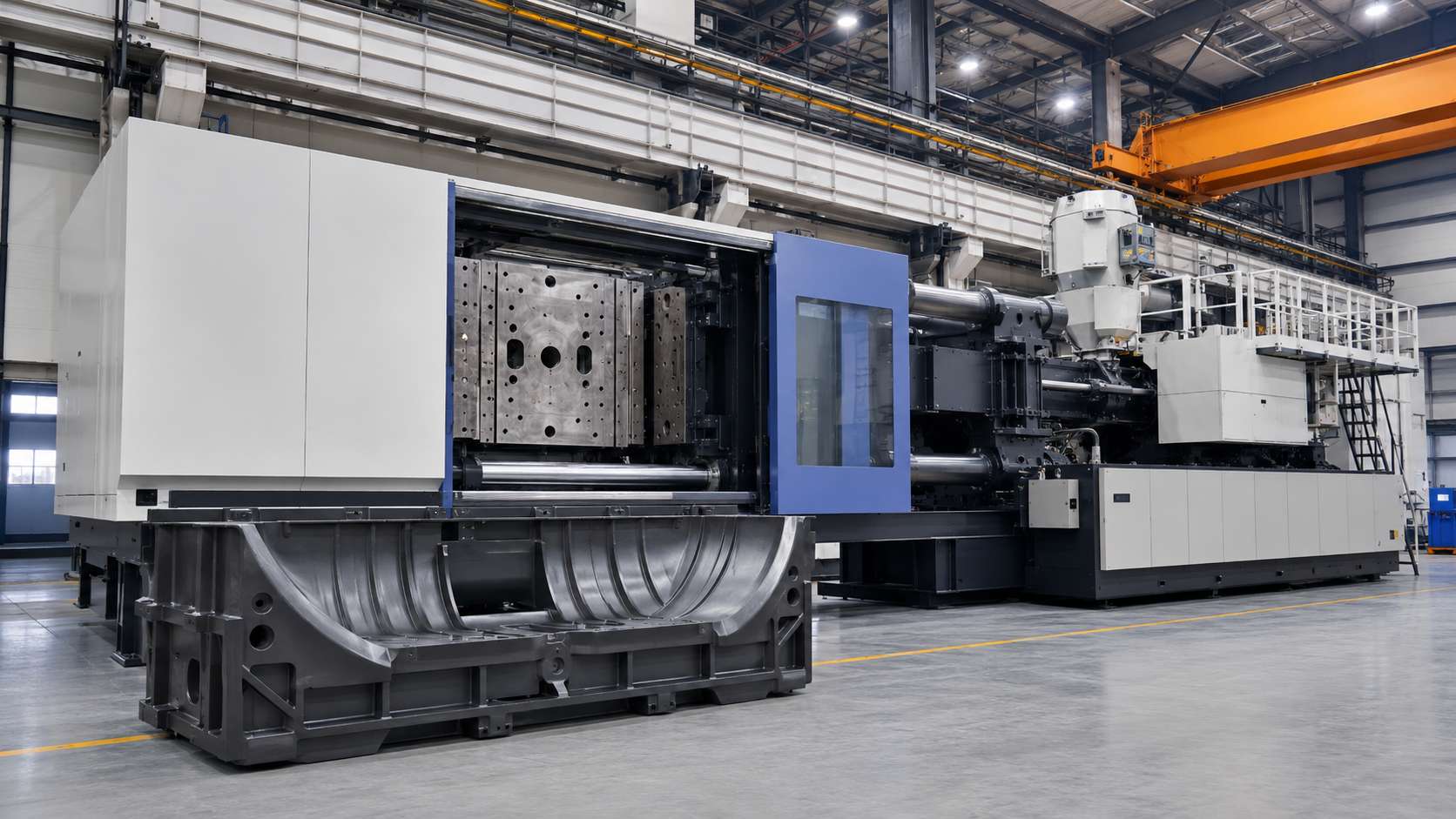
Learn how to evaluate high-tonnage injection molding capacity for large components using key engineering factors for reliable, efficient production.
Read more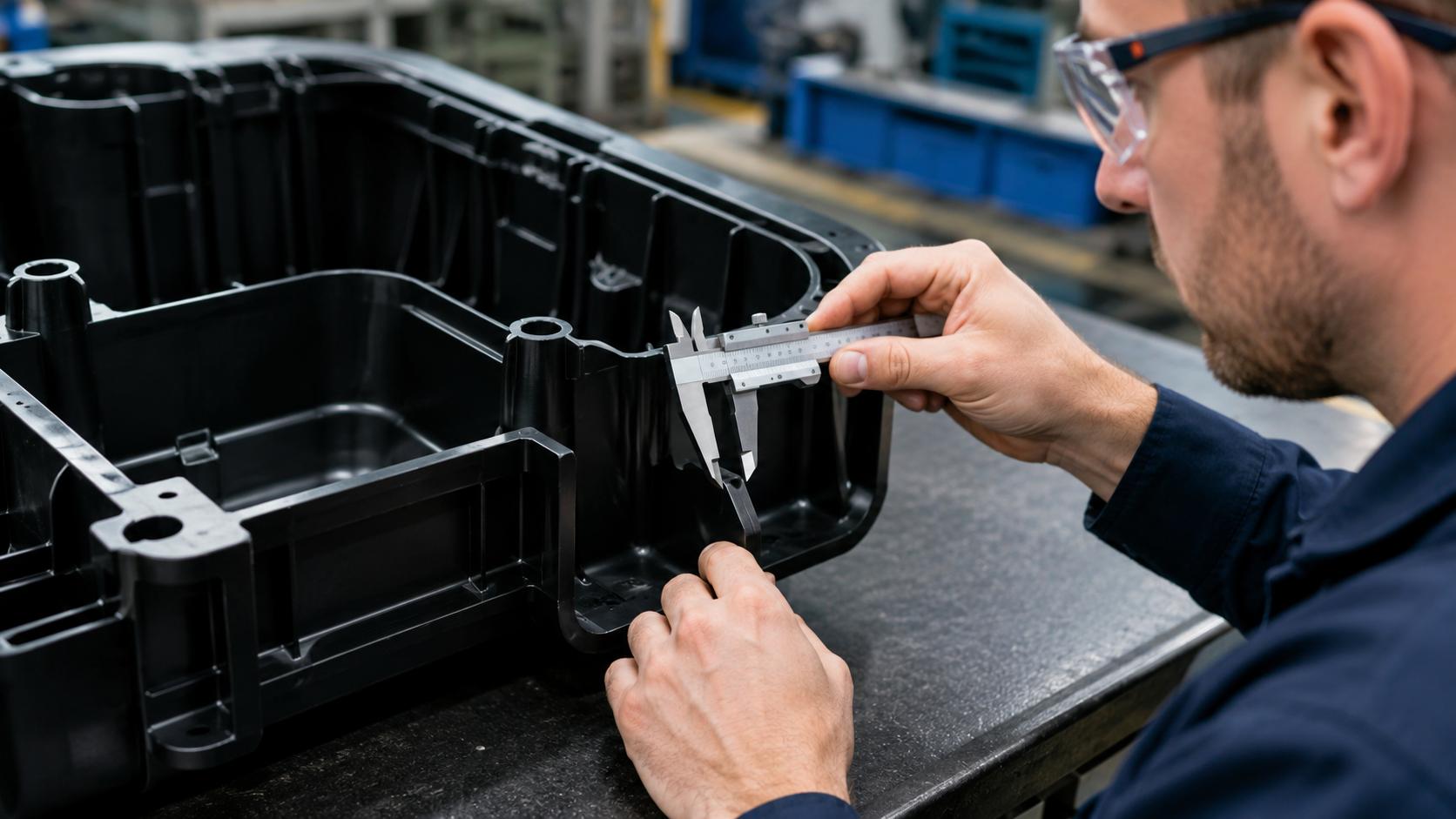
Learn the key wall-thickness guidelines for large injection-molded components that product developers must follow to optimize part performance.
Read more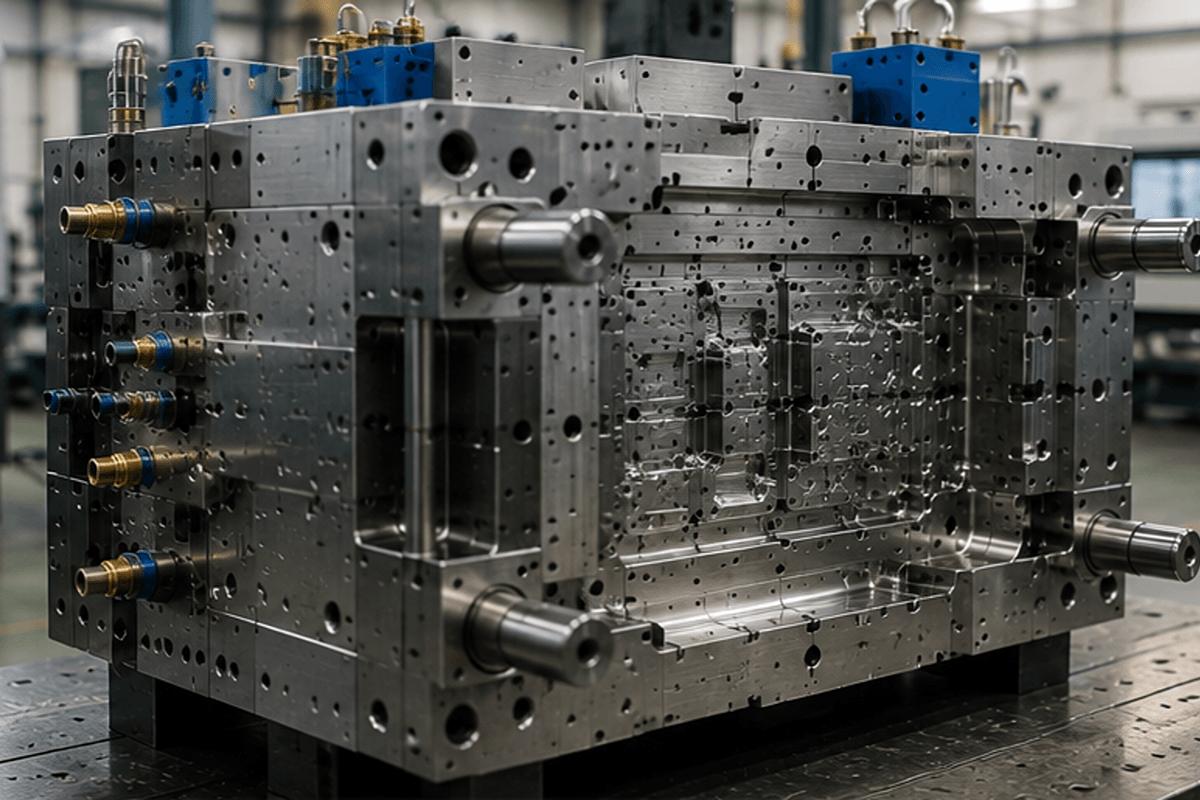
Learn practical ways to assess tooling quotes from injection molding service providers in China for better sourcing decisions and long-term production value.
Read more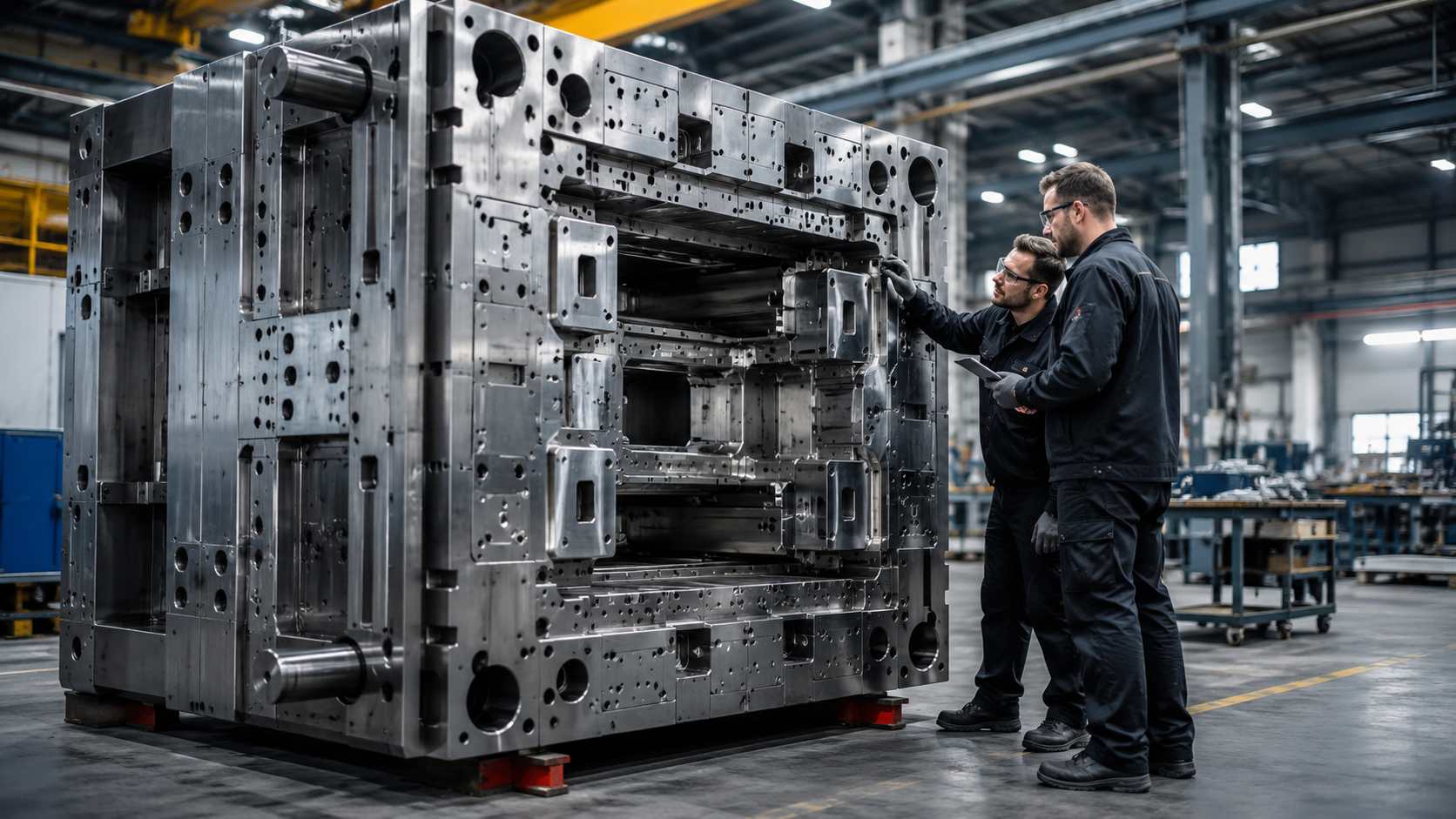
Discover the real cost drivers behind large-part injection mold tooling to understand what influences tooling investment before requesting quotations.
Read more