March 29, 2026
What to Expect When Transitioning to Injection Molding Production
Overview
- This article explains what teams should be prepared for when moving from low-volume manufacturing to a tooling-based production approach. It outlines how planning and process discipline change once parts are produced at scale.
- It also highlights common challenges that arise during scale-up and how structured processes help reduce risk over time. By understanding these shifts early, teams can avoid surprises that affect quality, timelines, and long-term performance.
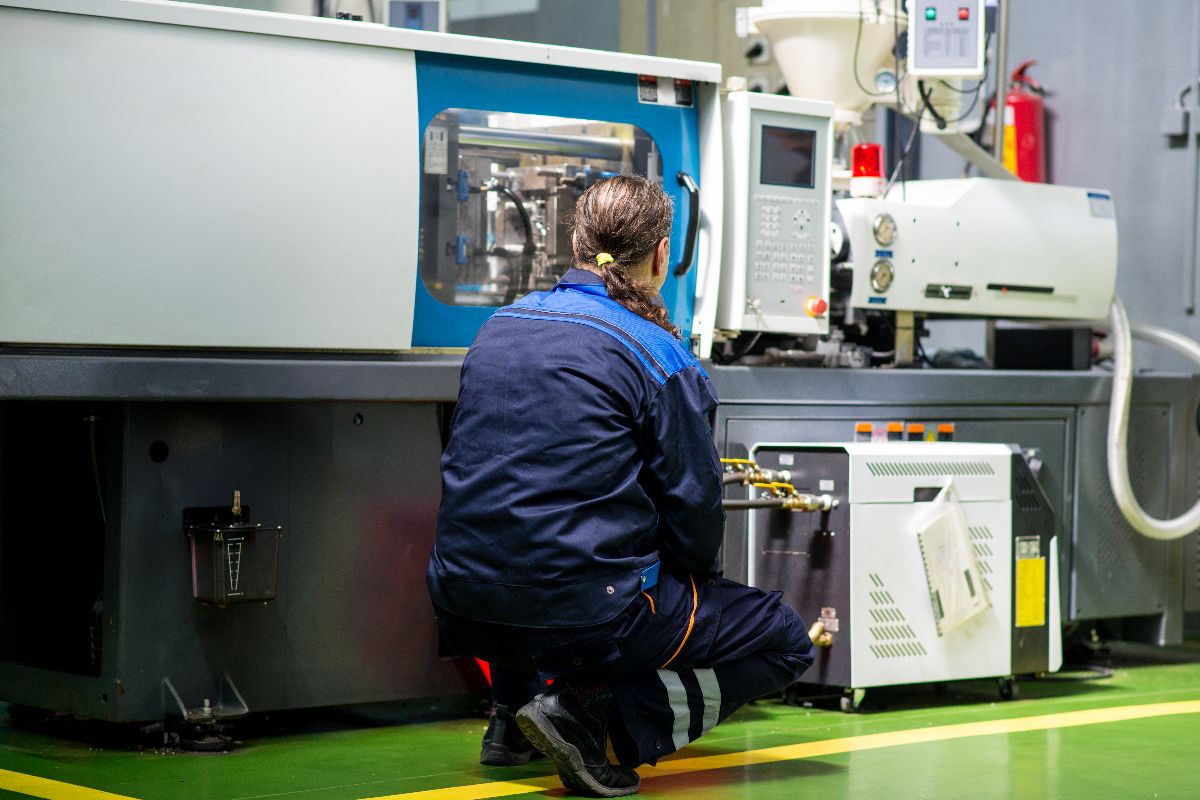
There comes a point when traditional manufacturing methods are no longer enough to support quality at scale. Processes that worked for small runs must give way to tooling-driven production and tighter controls—areas where injection molding excels. Making this shift requires product developers to understand how these changes affect long-term production outcomes.
Knowing what to expect when transitioning to injection molding production helps teams approach these changes with clarity. From tooling investment to quality validation, they must be prepared to adapt to new requirements that directly affect product performance.
This is where Richfields Corporation comes in. As an experienced injection molding company in China, we provide the expert technical oversight and production discipline needed to move confidently into high-level manufacturing. Read on to learn more.
Product teams should expect higher upfront planning and technical rigor when moving into injection molding. Once volume becomes a priority, the process reshapes how products are manufactured, validated, and managed across their lifecycle.
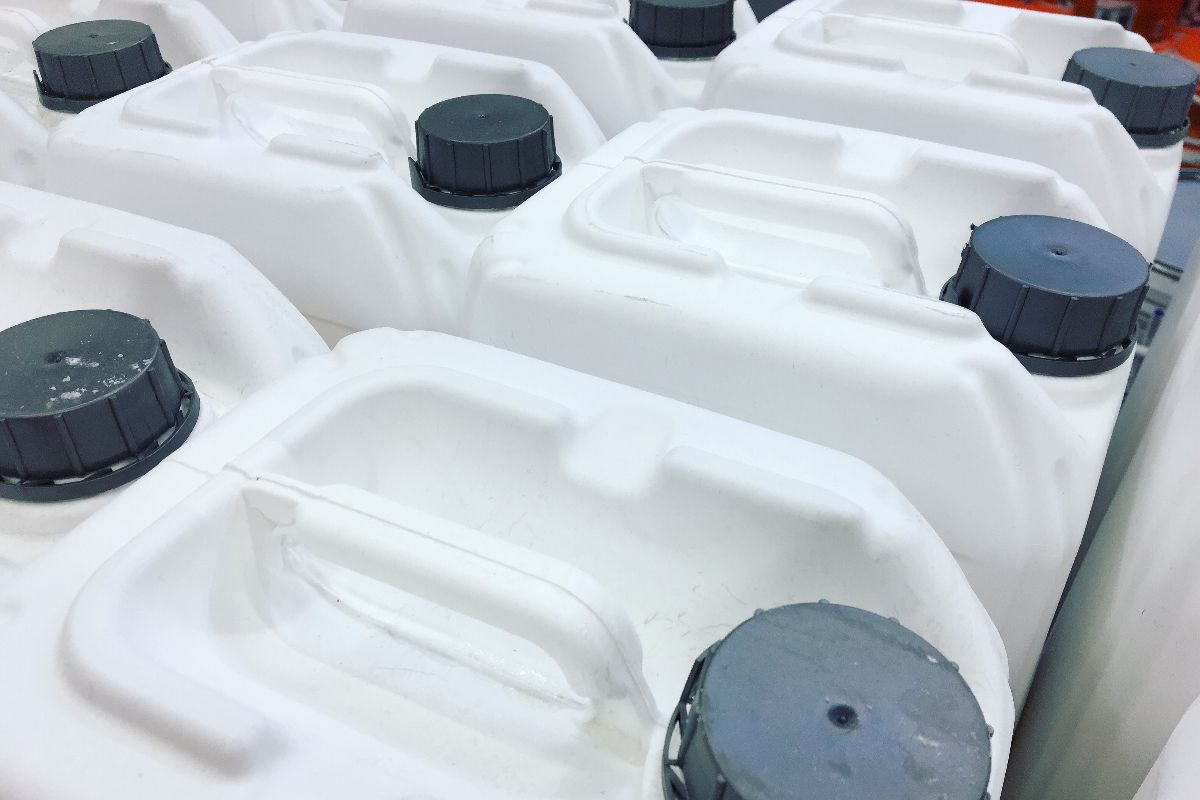
The cost of custom steel tooling is often much higher upfront compared to methods like short-run fabrication. This is because injection molds are engineered as long-term production assets, built from hardened steel with precise geometry and cooling control. These manufacturing requirements increase initial cost but ensure the tool can run hundreds of thousands or even millions of cycles reliably.
While mold development requires a higher initial investment, it replaces ongoing adjustment costs seen in other production approaches. Once the tool is finalized, injection molding maintains tight control over tolerances and cycle efficiency. This allows long-term output to remain increasingly cost-efficient over sustained production runs.
Injection molding places strict demands on how raw plastics are handled because material condition directly affects process stability and part quality. When certain materials are exposed to moisture or unstable temperatures, defects like brittleness or dimensional inconsistency can emerge during molding.
Different types of plastic respond differently to heat and pressure, requiring disciplined handling protocols. For example, hygroscopic materials like nylon must be dried carefully before molding to prevent moisture-related defects. Alternatives like polypropylene (PP) are more forgiving but still require controlled melt temperatures to maintain strength and surface quality.
In injection molding, production becomes parameter-driven rather than operator-dependent. The process follows a fixed sequence of clamping, injection, cooling, and ejection. Each stage is defined by measurable settings that must be optimized before mass manufacturing. This shift requires deeper upfront process planning, but delivers the repeatability that traditional methods cannot support.
Cooling time often becomes the most influential variable in the cycle, directly affecting part dimensions and surface quality. Once parameters are locked in, production runs within narrow control limits. Development teams achieve stronger yield consistency and confidence that performance will hold as volume and demand increase.
Strict validation should be expected before any injection-molded part is approved for sustained production. Dimensional, functional, and visual testing help confirm that parts meet specifications consistently under real production conditions. This phase verifies that the process itself is stable and reliable for endless cycling.
Issues that appear minor at low volumes often become amplified once manufacturing accelerates. With injection molding, these variations are addressed as early as possible to prevent costly rework and downstream quality failures.
Richfields Corporation supports this stage through precise process control and structured validation processes. ISO9001 and Intertek-certified, we ensure our offerings meet locally and globally recognized standards for quality.
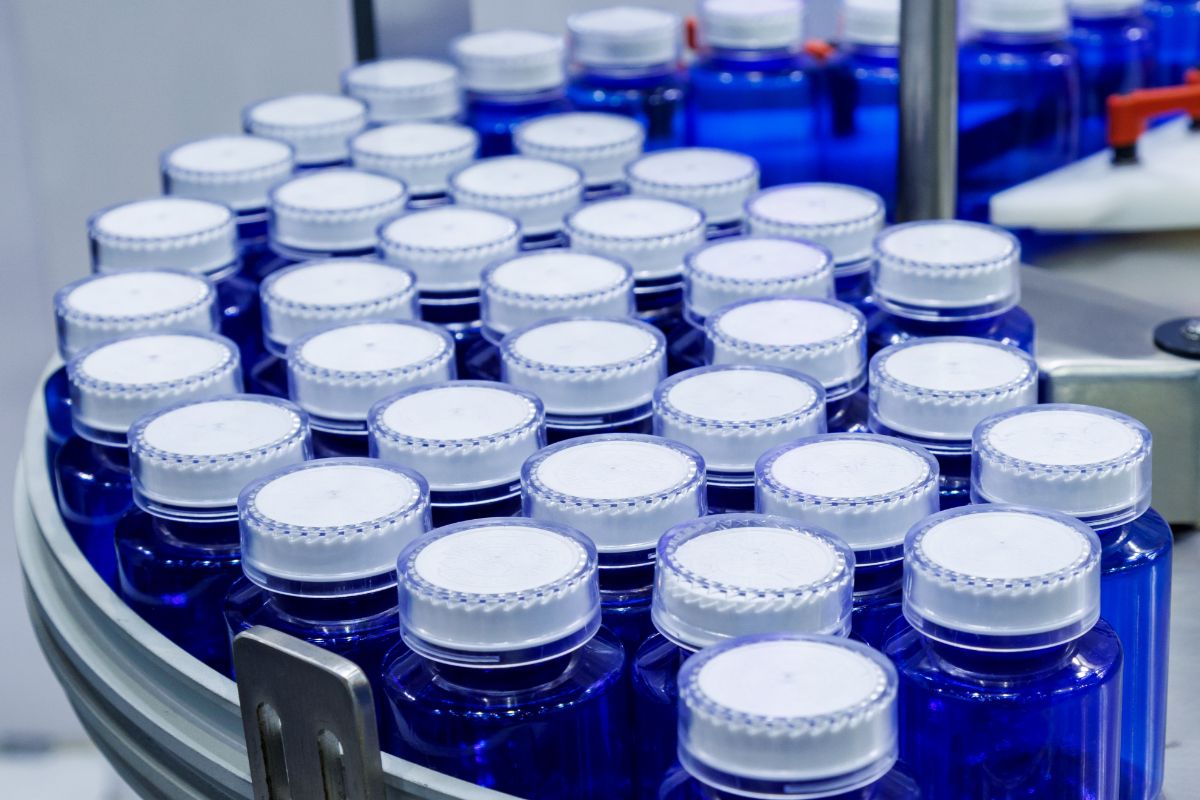
Although injection molding offers long-term advantages, it also introduces challenges that require planning and experience. Recognizing these factors early helps developers avoid costly rehauls later in production.
Parts produced from prototype tools may behave differently once cycle times shorten and output increases. These cause changes in cooling rates or pressure, which can affect material tolerances and performance.
While such gaps may be present, injection molding allows these differences to be immediately identified and corrected before continuous production. The process can be optimized to deliver consistency that no other manufacturing approach can achieve.
In the beginning stages, injection molding has unpredictable lead times for mold fabrication, sampling, and process setup. These timelines depend on part complexity, material choice, and most importantly, production volume.
Despite the upfront scheduling discipline required, it enables long-term production stability once completed. This trade-off enables production to replace frequent rework with predictable output and controlled delivery timelines.
A successful move into injection molding depends on early planning and coordination across development and internal teams. With structured preparation and clearly defined process parameters, the shift from low-volume methods to tooling-driven production becomes controlled and easier to manage at scale.
Below are the most critical elements to a strong method transition:
As manufacturing demands increase, product development managers must commit to an approach that keeps quality and consistency under control. Knowing what to expect from injection molding helps teams move forward with clarity as products enter sustained production.
For advanced injection molding services and technical expertise, choose Richfields Corporation. With disciplined process control and in-house tooling capabilities, we help teams move from finalized designs to reliable high-volume outputs. Contact us today to discuss how we can support your next project.
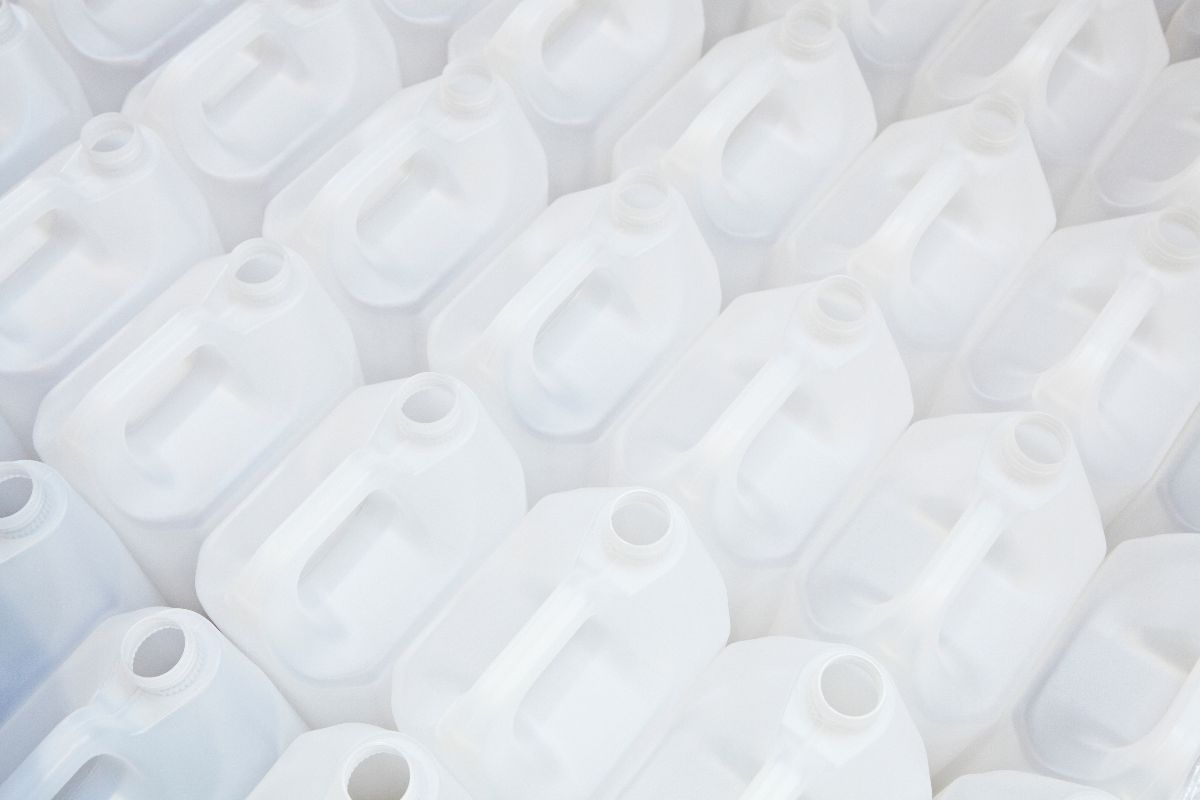
Why are more manufacturers turning to injection molding over traditional methods? High production speed Cost-efficient for high-volume production Precise and repeatable processes Wide material selection Reduced post-processing Overview This article walks through the key reasons teams reassess their manufacturing approach as production volume and technical demands increase. Injection molding makes it easier to produce large […]
Read more
Overview Large-part injection molding makes it easier for engineers to create complex designs that are strong and reliable, all while speeding up the process. It simplifies building tough structures without compromising quality or causing expensive errors. With this method, features can be integrated directly into the parts, keeping dimensions precise and cutting down on assembly […]
Read more
Overview Large-part injection molding offers a reliable solution for manufacturing playground equipment that meets rigorous performance standards. It produces components that are durable, visually consistent, and capable of withstanding heavy environmental stress. This process allows intricate detailing, vibrant color integration, and high-volume repeatability while reducing the need for secondary assembly. For OEM engineers seeking efficiency, […]
Read more
Overview This article outlines critical design considerations to ensure product durability in injection molding. It emphasizes that structural strength is influenced not just by material choice but also by the design’s compatibility with the manufacturing process. This also highlights key factors, including consistent wall thickness and careful material selection. Quality assurance is also a critical […]
Read more