February 11, 2026
How Engineers Optimize Cycle Time in Large Size Injection Molds
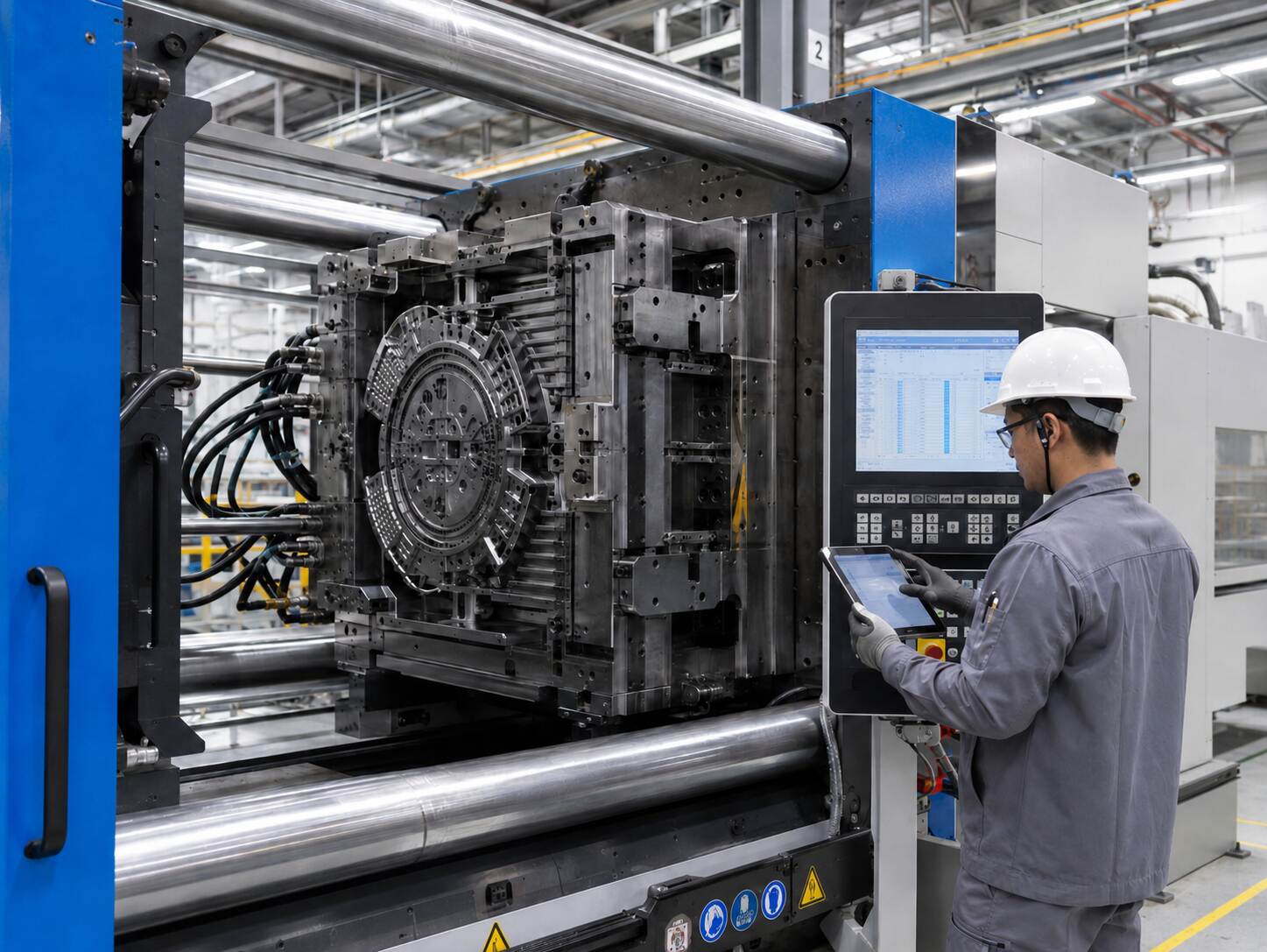
Overview
- Cycle time optimization in large-size plastic injection molding improves output, energy efficiency, and profitability while maintaining product quality and precision.
- Engineers achieve this through advanced cooling systems, optimized mold and part design, scientific molding, real-time process monitoring, and automation technologies.
- These integrated strategies ensure consistent production performance, reduced defects, and scalable manufacturing efficiency.
Even small reductions in cycle time can significantly increase production output, reduce energy consumption, and improve margins in high-volume manufacturing.
However, efficiency cannot come at the expense of quality. Engineers must maintain structural integrity, dimensional accuracy, and surface finish throughout production. This balance is central to how engineers optimize cycle time for large-size plastic injection molds, ensuring speed and precision work together for reliable results.
For companies in the USA, these improvements are critical in competitive manufacturing environments where efficiency and consistency directly affect profitability.
They help manufacturers increase production capacity, improve cost control, and strengthen competitiveness in industries that rely on large molded components.
Technical precision goes beyond speed—it focuses on building efficient systems that maintain both quality and scale. This article explains how.
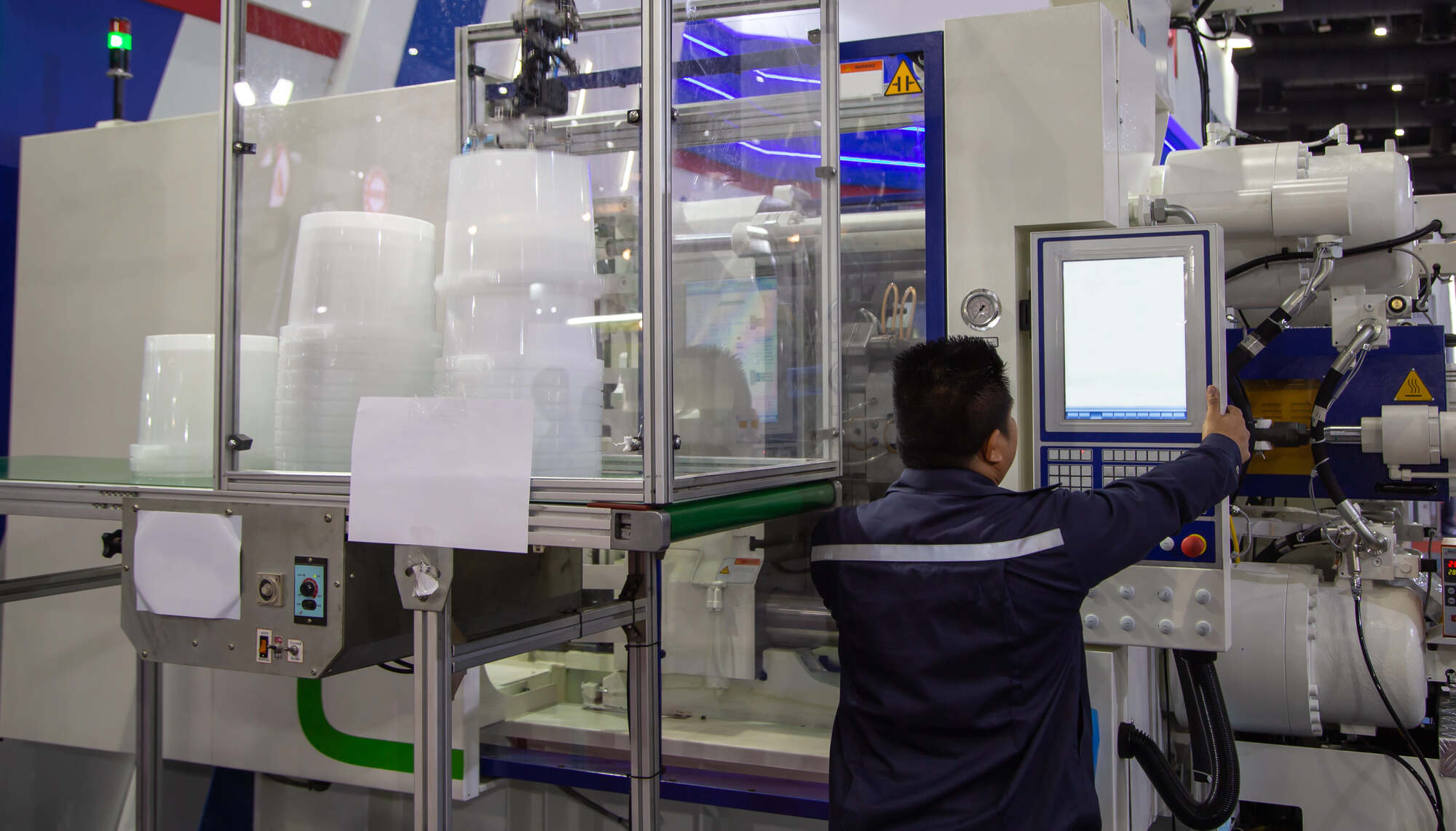
Efficient cooling is one of the most critical factors in optimizing cycle time for large-sized injection molds. Large molds trap more heat, and uneven cooling can lead to warpage, sink marks, or internal stresses.
Engineers design advanced cooling channel layouts and select high-conductivity alloys to ensure uniform heat removal. They first conduct simulations and real-time temperature monitoring to fine-tune the cooling systems. This way, processes would be more predictable, and they can run a consistent production.
Large molds require thoughtful design to minimize defects and optimize cycle efficiency. Engineers focus on wall thickness, draft angles, and gating locations to ensure molten plastic flows evenly and cools predictably.
Engineers study mold flow analysis and test designs before tooling begins. This proactive approach enables iterative improvements that preserve surface quality and dimensional tolerances.
Scientific molding applies data-driven control to every stage of the injection process, from melt preparation to cooling and ejection. By understanding how material properties interact with process variables, engineers can reduce defects and improve consistency.
This is a careful way of how engineers optimize the cycle time of large size plastic injection molds. They time each material and take geometry into account to maintain high part quality without unnecessarily prolonging production cycles.
Maintaining consistent quality in large molds requires continuous monitoring of machine performance and mold conditions. This is where technology is integrated, like sensors, to track variables such as cavity temperature, injection pressure, and cooling efficiency to detect deviations in real time.
This preventive and predictive maintenance reduces downtime by identifying potential issues before they disrupt production.
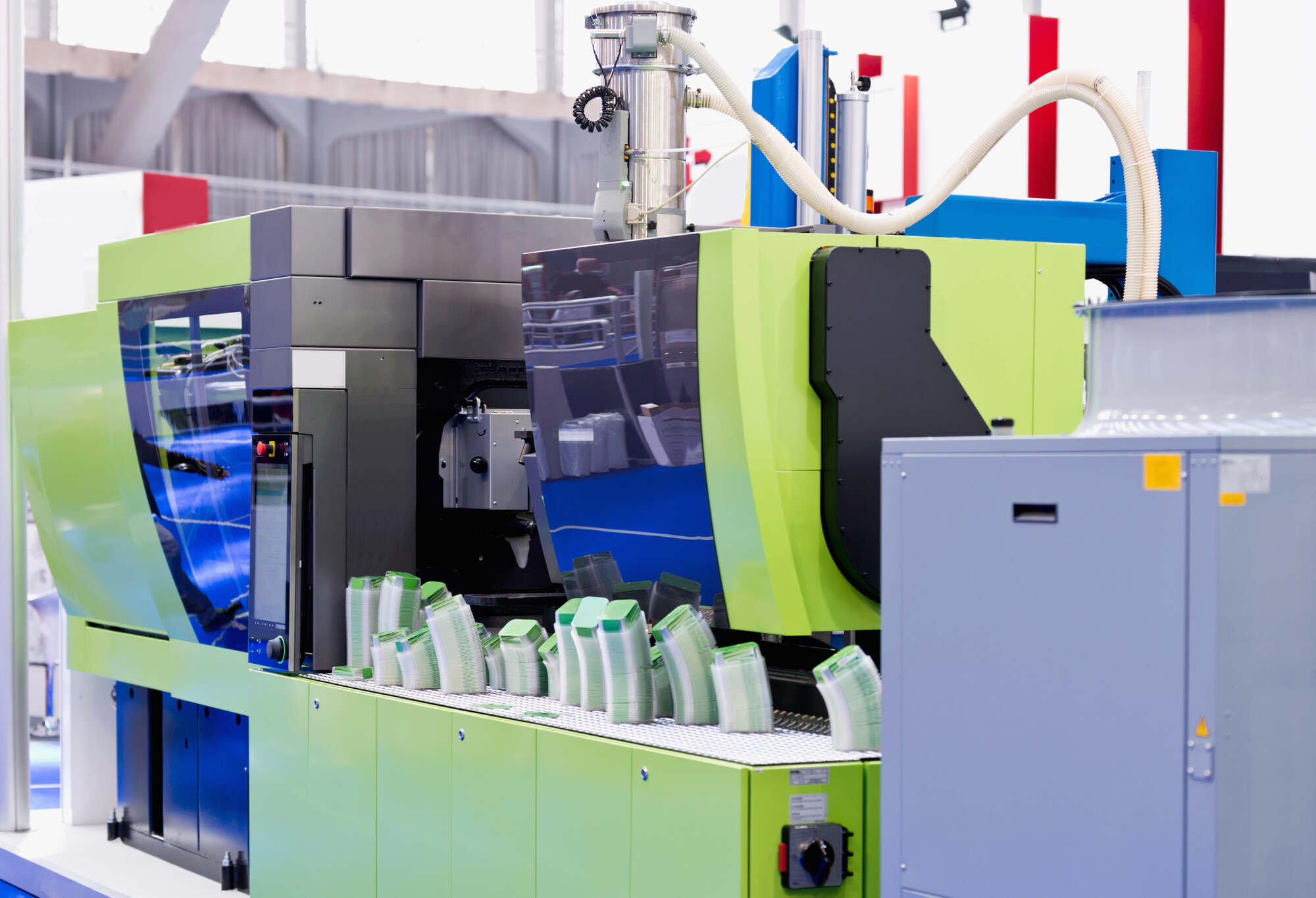
Automation and modern machine capabilities are critical for achieving efficient cycles in large molds. Advanced presses with precise motion control and repeatable performance allow engineers to reduce idle time and maintain tight tolerances.
It also streamlines complex operations, from injection to ejection. This is powered by intelligent machine controls that enable real-time adjustments.
Parallel movements allow injection and clamping operations to occur simultaneously, shortening the total cycle time. This coordinated motion reduces idle periods and increases throughput in large molds. This approach is particularly effective for high-volume runs.
Robotic systems automate part ejection and handling, reducing the risk of damage and human error. This ensures consistent extraction of complex or heavy components.
High-tonnage electric presses provide precise, repeatable force and smooth operation for large molds. They offer tighter control over injection speed and pressure, which improves dimensional accuracy.
Richfields offers integrated full-service solutions, combining mold design, advanced cooling, scientific molding, and automation expertise. This coordinated approach ensures large molds are produced efficiently without sacrificing quality or precision.
With rigorous quality systems, we position ourselves as a trusted partner for complex, large-scale injection molding projects. Our engineers are highly proficient in this craft with longstanding experience and innovative solutions to achieve excellent results in each of our production runs.
Optimizing cycle time in large-size plastic injection molds is not about pushing machines to run faster—it is about engineering smarter systems. Every technical decision influences efficiency, product integrity, and long-term production stability.
For manufacturers seeking a reliable, full-service partner for complex, large-scale injection projects, Richfields Corporation delivers end-to-end expertise—from precision mold engineering to automation-driven production. Contact us today to optimize your cycle times and achieve high-quality results at scale.
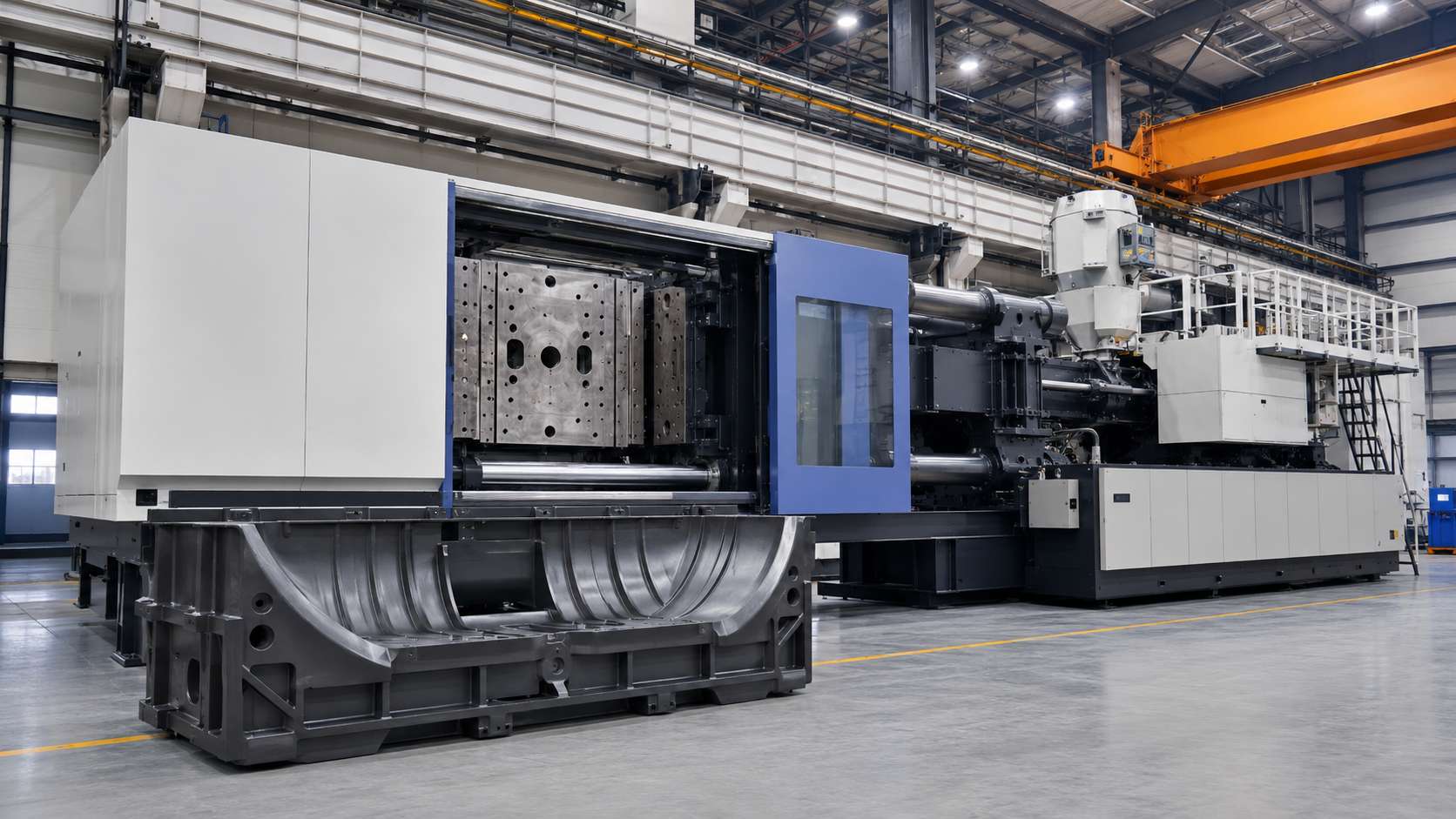
Learn how to evaluate high-tonnage injection molding capacity for large components using key engineering factors for reliable, efficient production.
Read more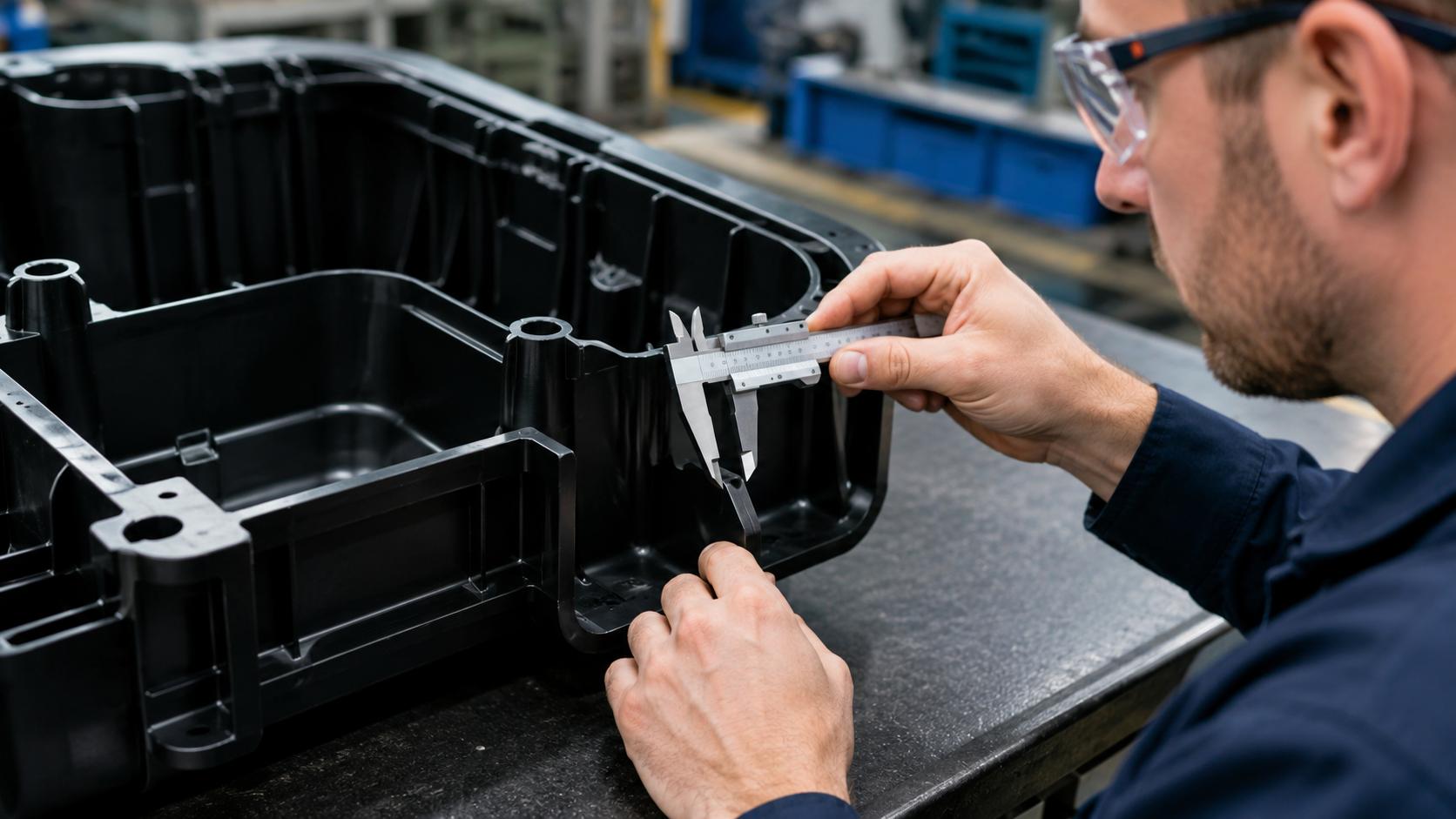
Learn the key wall-thickness guidelines for large injection-molded components that product developers must follow to optimize part performance.
Read more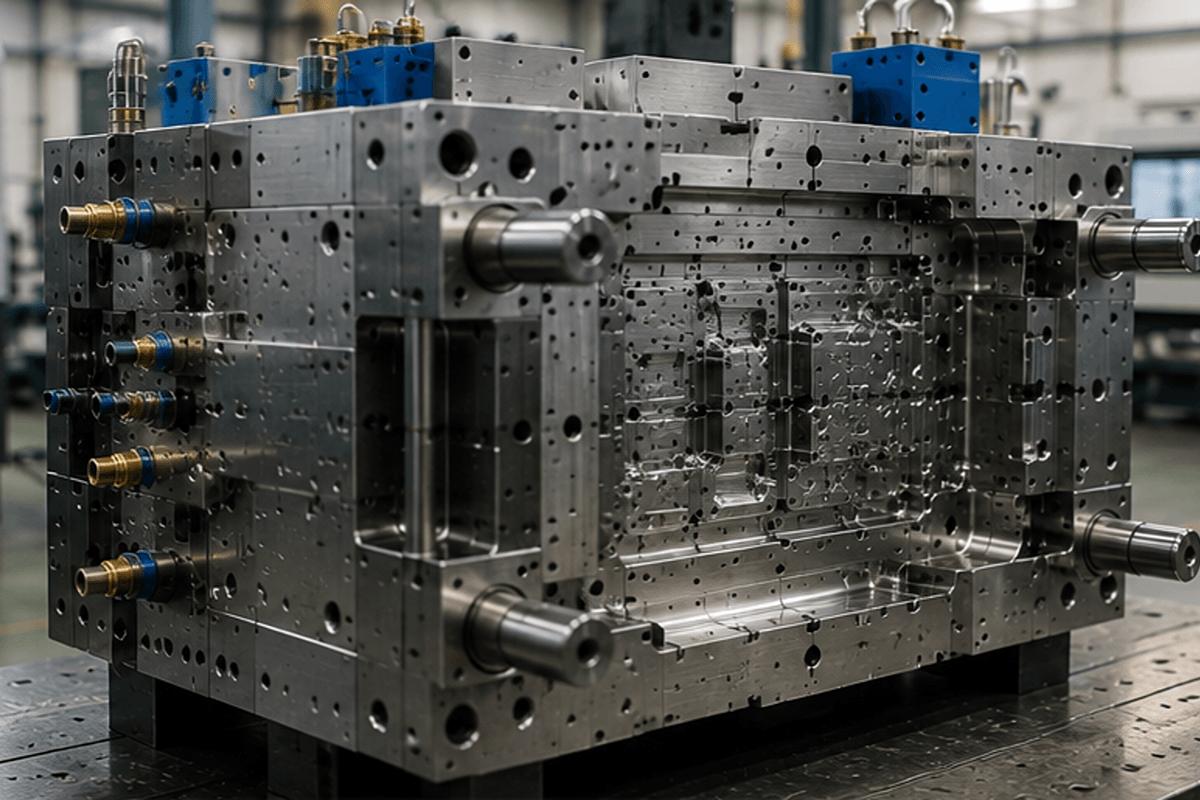
Learn practical ways to assess tooling quotes from injection molding service providers in China for better sourcing decisions and long-term production value.
Read more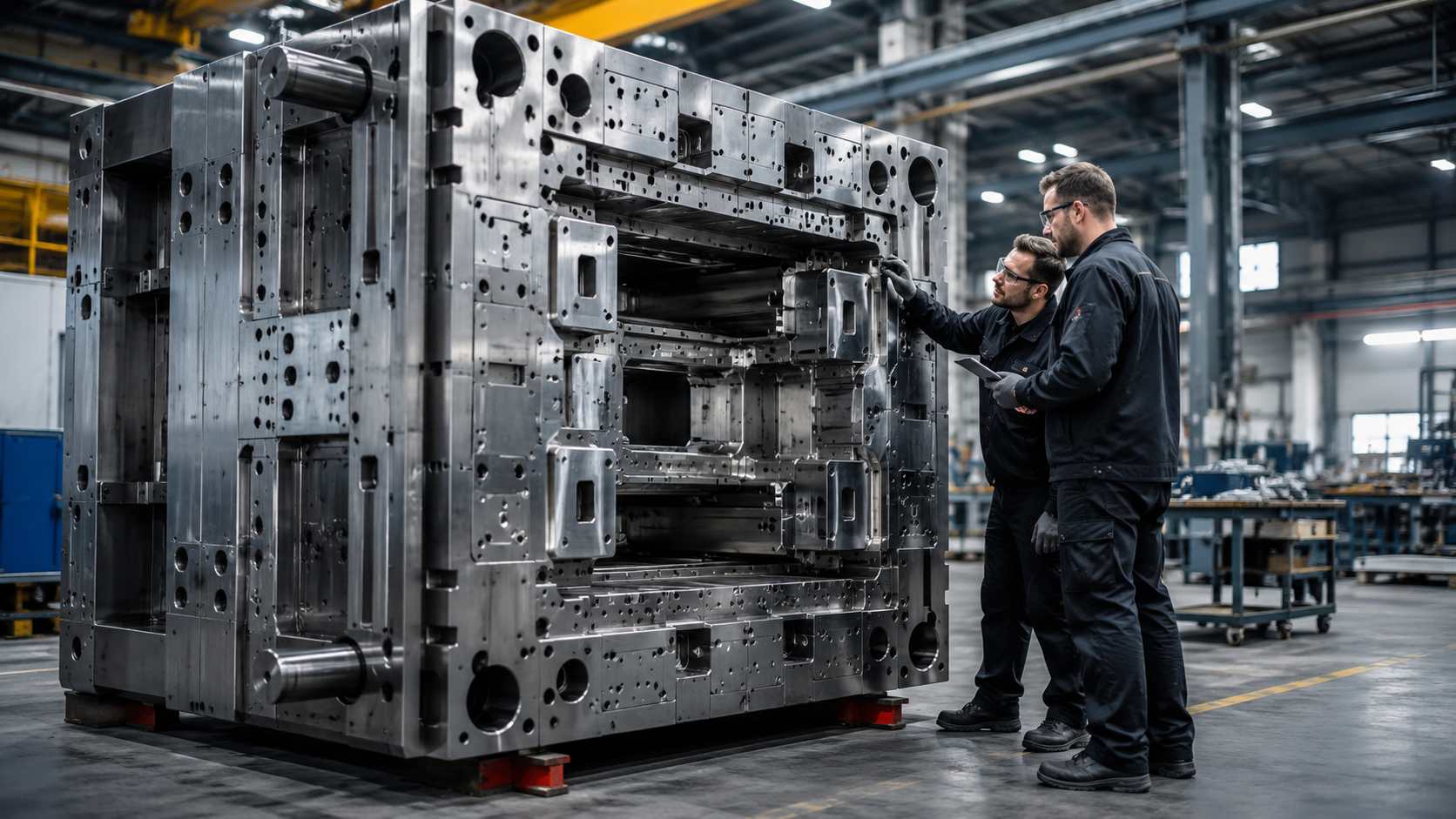
Discover the real cost drivers behind large-part injection mold tooling to understand what influences tooling investment before requesting quotations.
Read more