May 10, 2026
What are the Common Defects in Large Injection Molded Parts and How to Prevent Them?

Overview
- Manufacturing large injection molded parts requires precision to ensure both durability and visual quality.
- Defects such as warping, sink marks, flash, or flow lines can arise if cooling, material flow, or tooling aren’t carefully managed.
- For companies in the USA, partnering with experienced providers like Richfields Corporation offers expert design optimization, high-tonnage equipment, and controlled processing conditions.
In large-scale injection molding, defects rarely surface without warning. Warping, sink marks, flash, and incomplete fills typically trace back to specific gaps in cooling management, material flow control, or tooling design that go unaddressed before production begins.
For companies in the US, recognizing common defects in large injection molded parts early is what separates efficient high-volume production from costly rework cycles.
This article examines what causes each defect, how it manifests in large components, and the design and process adjustments that prevent them.

Warping is one of the most common distortion defects in large plastic parts, occurring when the shape bends away from its intended design during the cooling phase. As part size and wall thickness increase, controlling shrinkage becomes increasingly complex, and the risk of uneven solidification grows with it.
The outer surface cools and shrinks while the inner core remains hotter for a longer period and contracts later. That difference in cooling rates produces uneven shrinkage across the part, which is the primary driver of warpage in large components.
Addressing this requires optimizing part designs for uniform wall thickness and balanced geometry, while using advanced simulation tools such as mold flow analysis to identify potential warping issues before production begins.
Sink marks are localized depressions or dimples on the part surface, particularly in thicker sections. They occur when the outer surface cools and solidifies first, while the thicker inner core remains molten longer and shrinks as it solidifies, pulling the rigid surface inward.
While sometimes considered a cosmetic issue, sink marks can also signal deeper processing or design concerns. Severity increases with greater wall thickness, as heat escapes more slowly internally, amplifying volumetric shrinkage differences.
Selecting low-shrinkage resins and maintaining a balanced mold temperature are the most effective measures for reducing the likelihood of sink marks forming during production.
In large injection molded parts, molten plastic can sometimes escape beyond the intended mold cavity, forming a thin layer of excess material along seams, parting lines, or openings. Although it may appear minor, flash can compromise part aesthetics, interfere with assembly, and affect overall function if not addressed.
The defect typically points to issues with mold alignment, clamping force, or processing parameters, all of which become harder to control as part size increases.
To address this, ensure that machine tonnage exceeds the projected area requirements by 10 to 20 percent, so mold halves remain tightly sealed against injection pressure.
Surface defects are not limited to depressions and excess material. Flow lines, sometimes referred to as wavy lines, appear as visible streaks or patterns on the surface of large injection molded parts. These lines often form near gates, thin-to-thick transitions, or mold walls where partial solidification causes shear or stagnation.
Because large parts involve longer flow paths, the risk of partial solidification before the cavity is fully filled is higher than in smaller components.
Preventing flow lines requires a combination of design and process adjustments, as increasing injection speed and barrel or mold temperatures improves melt fluidity and promotes uniform filling.
Short shots occur when molten plastic fails to completely fill the mold cavity, leaving sections of the part unformed. In large parts, this most often appears in thin walls, distant ends, corners, or intricate features farthest from the gate.
This defect occurs when injection pressure and speed are insufficient to overcome resistance from material viscosity or trapped air across the full extent of a large cavity.
To prevent short shots, manufacturers can increase injection speed, pressure, barrel and mold temperatures, and shot volume to ensure molten plastic flows completely to all extremities.
During injection molding, molten plastic flows from multiple gates or navigates around obstacles in the mold. When these flow fronts meet and do not fully fuse, weld lines appear as faint lines or cracks on the part surface.
Weld lines commonly form around inserts, holes, ribs, or areas where flow splits and rejoins, especially at locations farthest from the gate. In large components, the greater distance between gates and merge points increases the risk of incomplete fusion, making process control especially critical.
Increasing injection speed, pressure, melt and mold temperatures, and back pressure helps ensure proper fusion at all merge points.
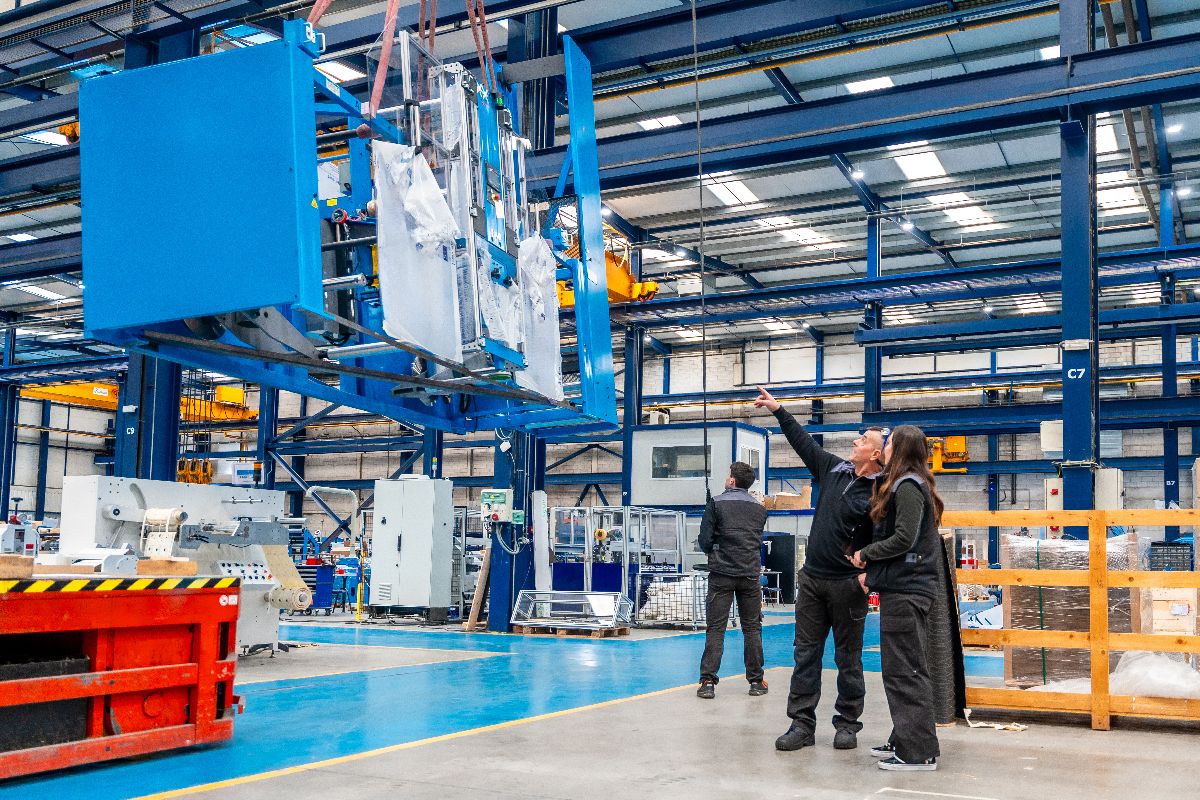
Addressing common defects in large injection molded parts starts with understanding how thermal management, material pressure, and structural features affect part quality.
Large injection molded parts take longer to cool, and outer surfaces can solidify faster than thick cores. Without balanced cooling channels and turbulent flow, uneven heat extraction becomes a consistent source of warping and sink marks across the part.
High-viscosity materials need strong injection and clamping pressure to fill large, complex molds without defects. High-tonnage machines like Richfields’, paired with optimized back pressure, help maintain proper flow and prevent weak spots.
Large, flat surfaces benefit from ribs, gussets, or slight curves to prevent warping or collapse. Adding fillets at transitions helps distribute loads evenly and enhances rigidity without introducing the thick sections that cause sink marks.
Understanding the common defects in large injection molded parts and how to prevent them is what allows manufacturers to move from reactive rework to consistent, predictable production output.
Richfields is a China-based large-part injection molding manufacturer equipped with high-tonnage machines, in-house tooling, and certified quality systems designed to support OEM and product development programs. Contact us today to discuss how we can help your team produce large components without the defects that drive up cost and delay delivery.
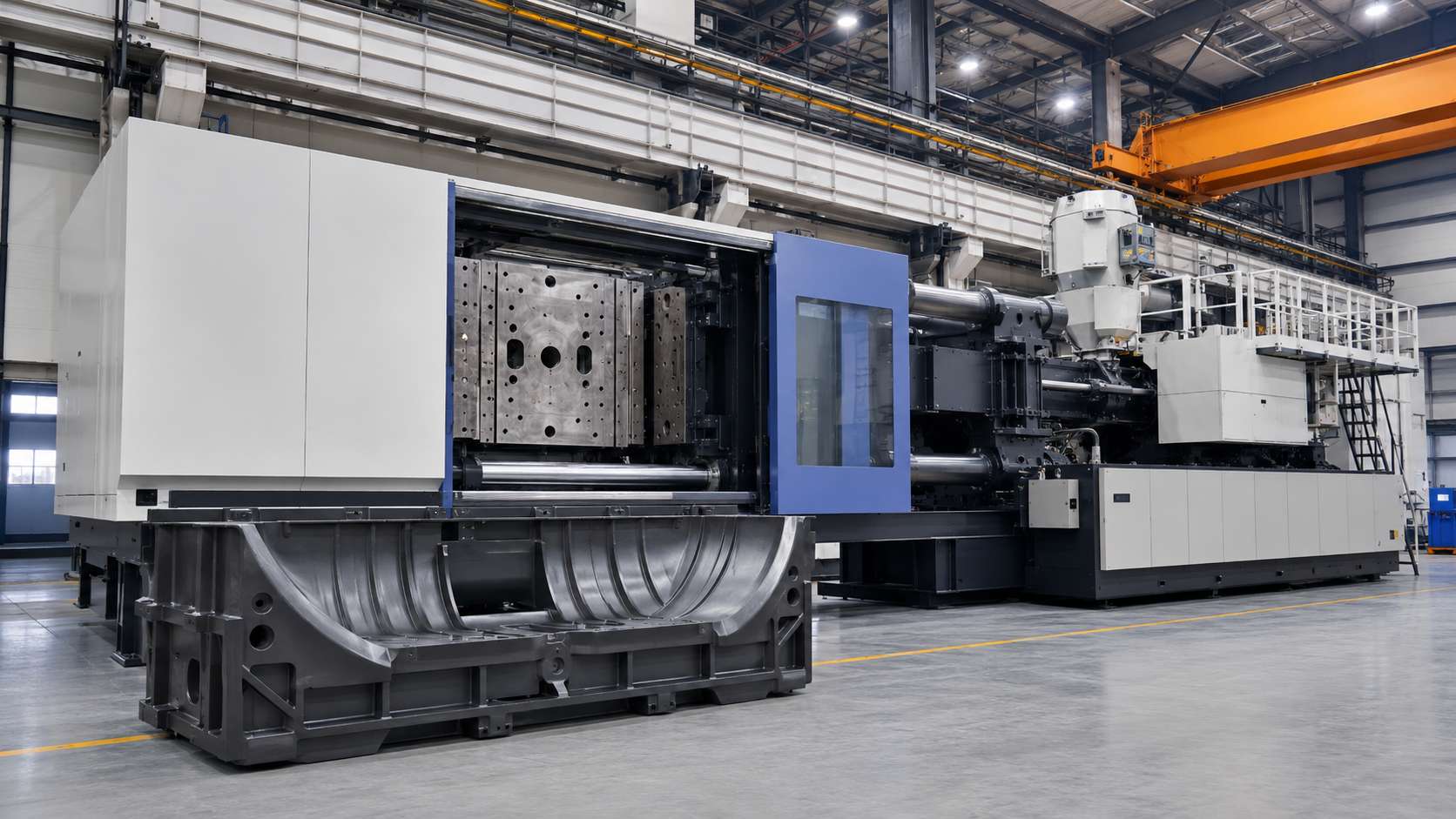
Learn how to evaluate high-tonnage injection molding capacity for large components using key engineering factors for reliable, efficient production.
Read more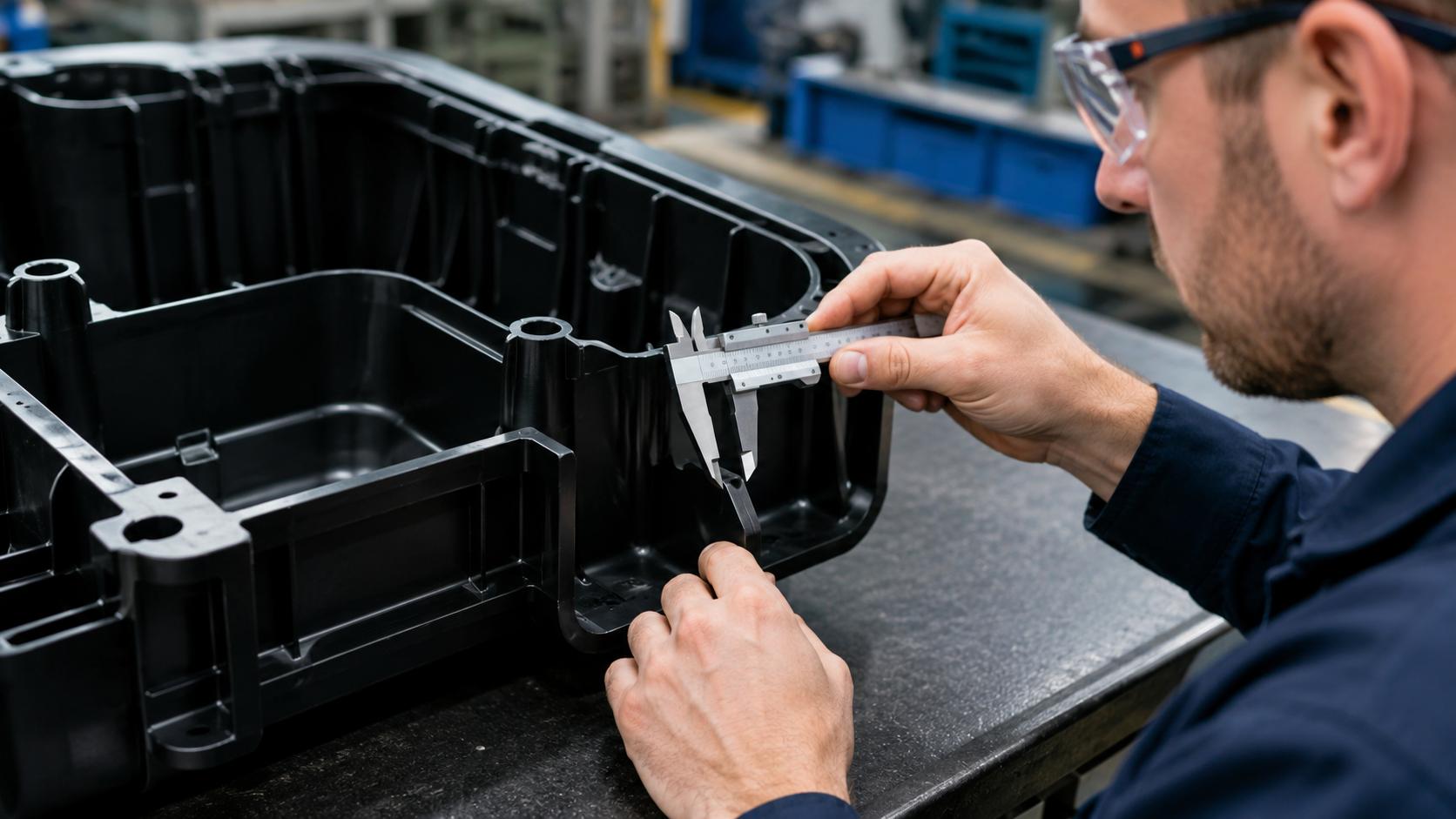
Learn the key wall-thickness guidelines for large injection-molded components that product developers must follow to optimize part performance.
Read more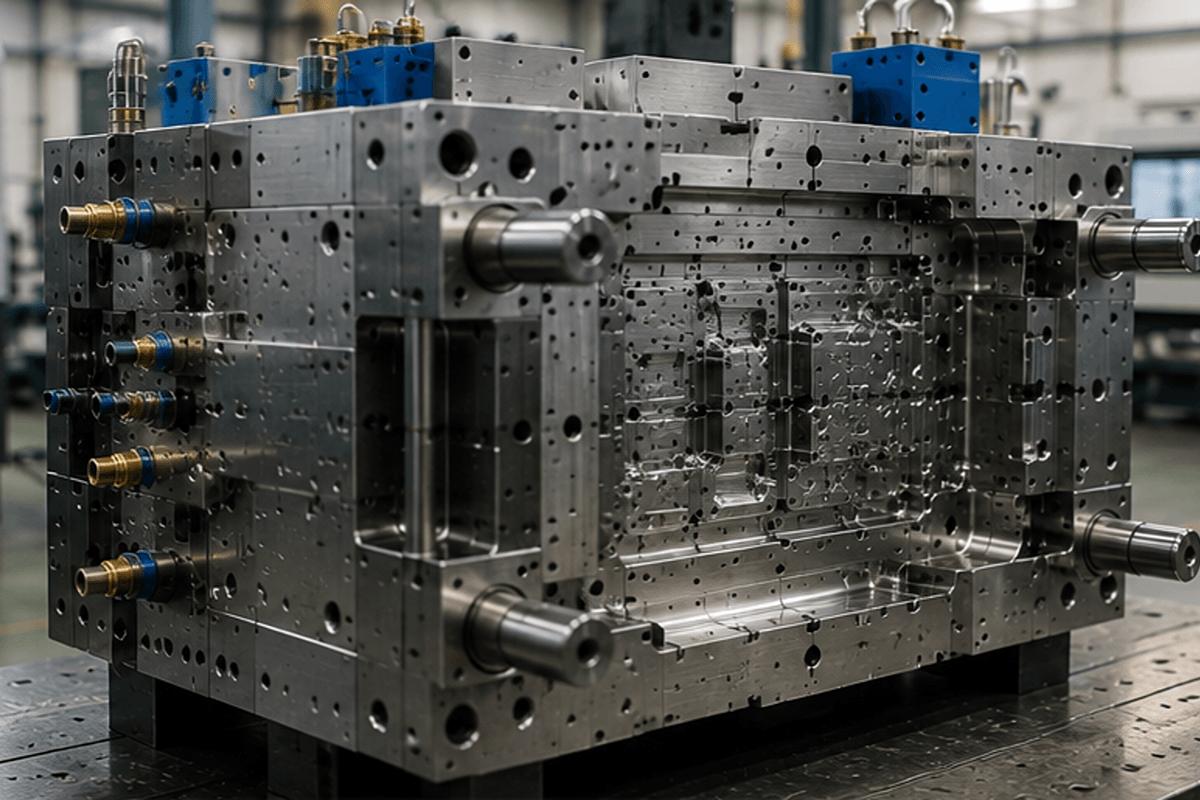
Learn practical ways to assess tooling quotes from injection molding service providers in China for better sourcing decisions and long-term production value.
Read more
Discover the real cost drivers behind large-part injection mold tooling to understand what influences tooling investment before requesting quotations.
Read more