May 2, 2026
Tips for Optimizing Ongoing Customized Large Molding Projects
Overview
- Large customized molding projects require careful coordination to maintain efficiency, quality, and cost control throughout production.
- Even small issues in processes, tooling, or materials can affect output and disrupt schedules in large manufacturing environments.
- Applying the right strategies helps teams stabilize production, reduce waste, and improve operational performance.
Large customized molding projects rarely stay predictable once full production begins. Even small inefficiencies can disrupt schedules, increase costs, and compromise part quality across high-volume runs. For ongoing programs, knowing where to focus and what to adjust is what separates stable, cost-efficient production from compounding risk.
That’s where working with the right China-based manufacturing partner gives US OEM programs a measurable advantage. Richfields brings large-part tooling expertise, precision engineering, and dedicated long-run production support to help companies in the US maintain control at every stage.
In this article, we share the most effective tips for optimizing ongoing customized large molding projects, so you can strengthen your processes, protect program timelines, and improve cost efficiency across every production run.
Keeping large customized molding projects running smoothly can be difficult when machines, tools, and processes change over time. Using practical strategies can help reduce mistakes and lower waste during production. To gain better control and more predictable results, procurement and engineering teams can focus on the following areas:
Use machine sensors to track pressure, speed, and heat during trial runs, and note the best settings. Keep these “winning” parameters in a shared system for easy reference by the team. This can improve cycle times and reduce defective parts when followed consistently.
Focus on cooling molds evenly to prevent warping in large parts. Use internal water lines or optimized channel designs, and adjust timing during production. Consistent mold temperatures can shorten cycle times and improve part strength.
Track pressure, speed, and heat during trial runs, and record the optimal settings to share with your team for consistent execution. Design molds with even cooling channels, adjust timing carefully, and monitor temperatures to prevent warping while shortening cycle times.
In large molding projects, even minor design issues or worn-out tools can create delays and affect quality. Staying on top of tooling maintenance and refining part designs helps teams prevent defects, reduce downtime, and make equipment last. Focusing on these areas allows procurement and engineering teams to keep production running smoothly while protecting both margins and product quality.
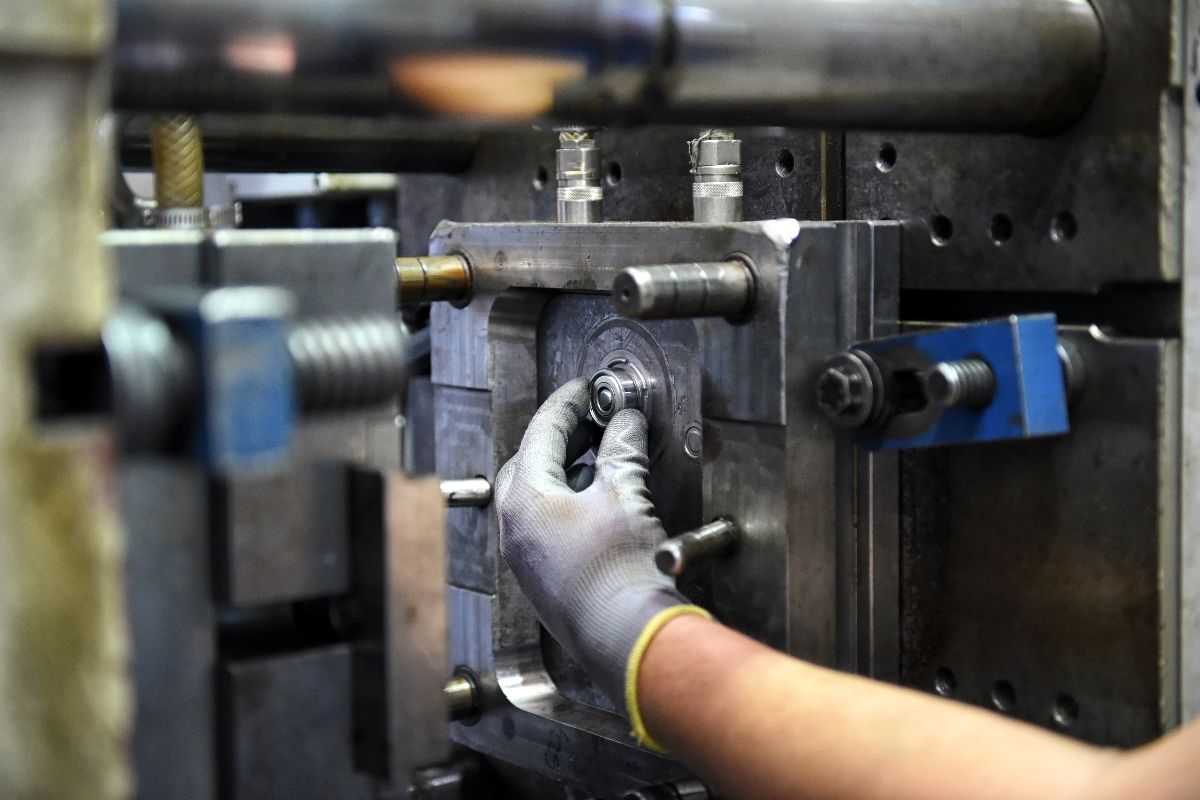
Inspect molds regularly for cracks, wear, or buildup, and clean hot runners and vents after every 10,000 shots. Polish rough spots and log any issues in a notebook or phone app to address small problems immediately. These practices help molds last longer and reduce unexpected downtime during production.
Adjust part shapes to help plastic flow smoothly and release cleanly, using CAD tools to slim walls evenly and add slide angles. Test a small batch first and make adjustments for sinks or sticking issues, then coordinate with your supplier early for mold-friendly changes. These practices improve part strength, reduce scrap, and speed up production cycles.
Big molding projects need to deliver parts quickly without pushing up costs, and small yet smart adjustments can help speed production while keeping expenses in check. Focusing on efficiency and smooth operations allows teams to avoid bottlenecks and keep large projects running effectively.
Streamline machines to produce more quality parts per hour, similar to optimizing a busy assembly line. Introduce automation, like robotic arms, and fine-tune speeds and cooling times to shorten cycles without errors. Tracking performance through a dashboard helps teams spot slowdowns immediately.
Set up sensors for real-time alerts on jams or low material, and automate feeding to reduce pauses between batches. Test basic automation or “night mode” for unmanned runs, and plan shifts to keep production flowing. These adjustments help maintain high uptime and keep operations consistent and efficient.
Raw plastic (resin) and consistent quality can make or break large molding projects, with poor materials causing waste and delays. Smart purchasing, regular checks, and previews help ensure inputs stay high-quality. Consolidating resin orders, monitoring materials, and using simulation tools help teams reduce defects and maintain steady production.
Buy resin from a few trusted suppliers and place larger orders to simplify purchasing and secure steady pricing. Lock in volume discounts and forecast monthly needs to meet minimum orders without overstock. These practices can save 15–25% while avoiding supply surprises.
Test every resin batch before use to ensure flow and strength meet requirements. Record results in a shared system and reject any weak lots promptly. Proper storage, dry and clearly labeled, helps reduce defects and maintain consistent quality in large parts.
Load part designs into accessible simulation software to test flow, cooling, and potential warping. Run “what-if” scenarios and adjust designs before actual production, sharing reports with your team. These practices help reduce scrap, speed up fixes, and maintain consistent material quality in large molding projects.
Richfields is a China-based injection molding manufacturer built to support US OEM programs, combining cost-efficient manufacturing with the precision engineering and project management standards that companies in the US require. Our approach is built around protecting your program timeline, maintaining part quality consistency across long production runs, and reducing total cost of ownership.
Applying the right tips for optimizing ongoing customized large molding projects can help manufacturers maintain stable production, control costs, and ensure consistent part quality throughout long runs.
If you’re looking to improve the performance of your large molding programs, contact Richfields Plastics now to learn how we can help streamline your operations and deliver dependable results.
Learn how to evaluate high-tonnage injection molding capacity for large components using key engineering factors for reliable, efficient production.
Read more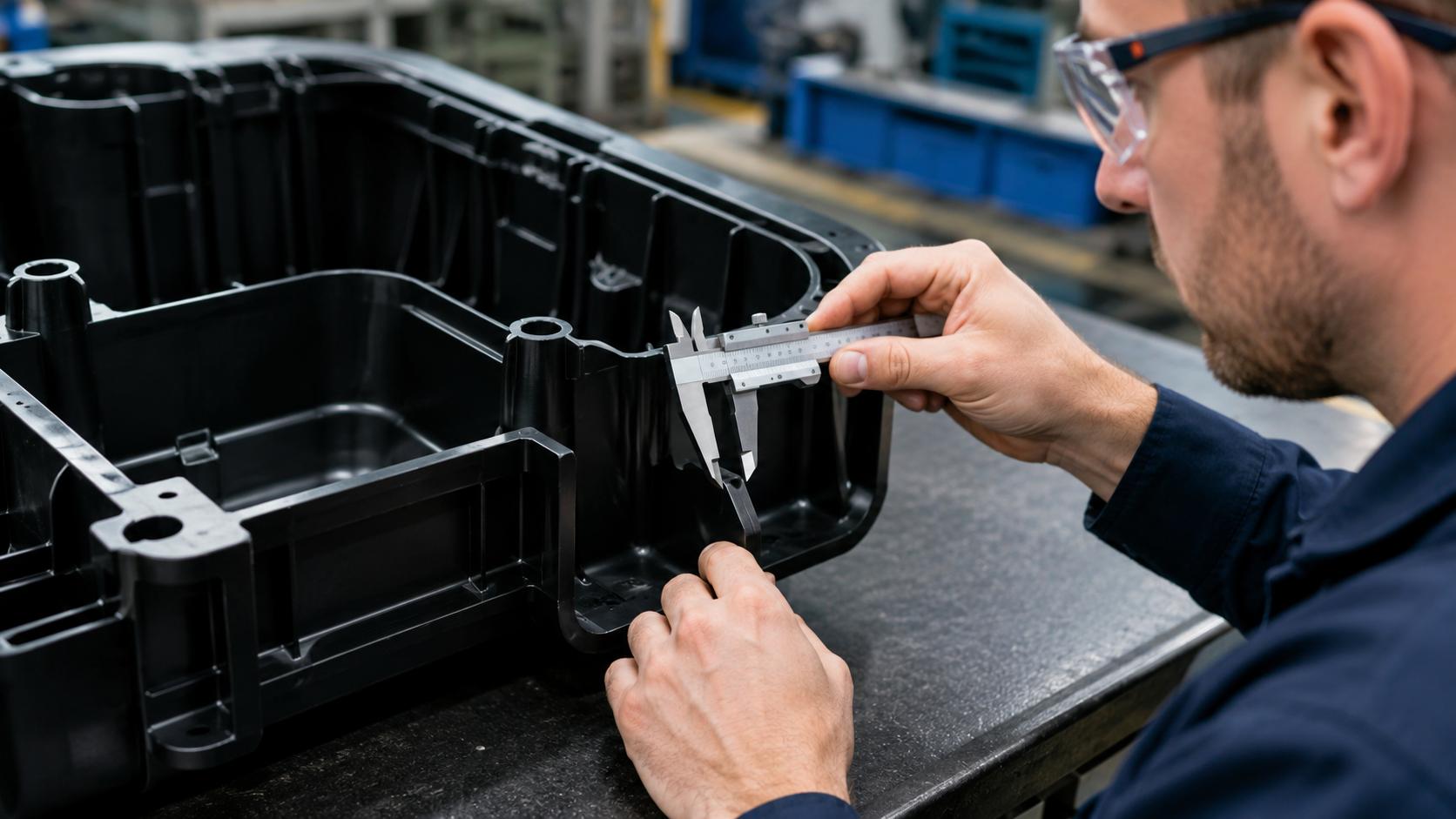
Learn the key wall-thickness guidelines for large injection-molded components that product developers must follow to optimize part performance.
Read more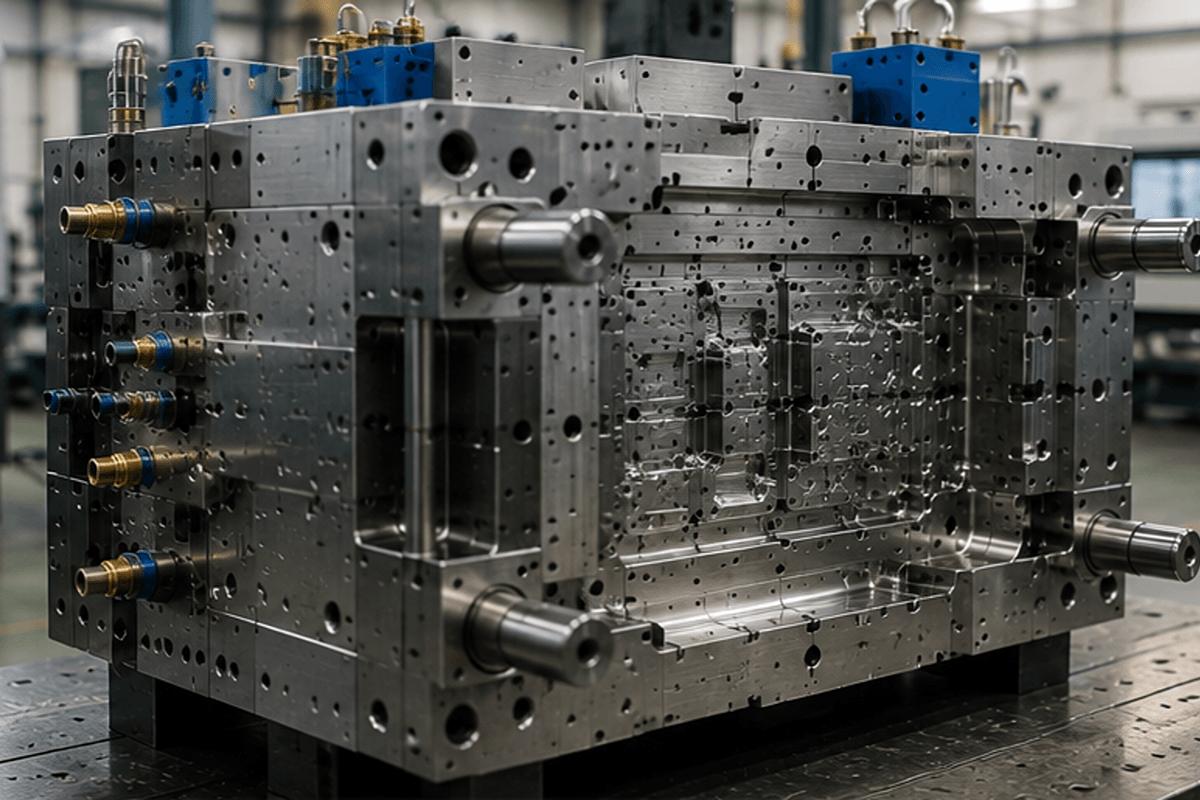
Learn practical ways to assess tooling quotes from injection molding service providers in China for better sourcing decisions and long-term production value.
Read more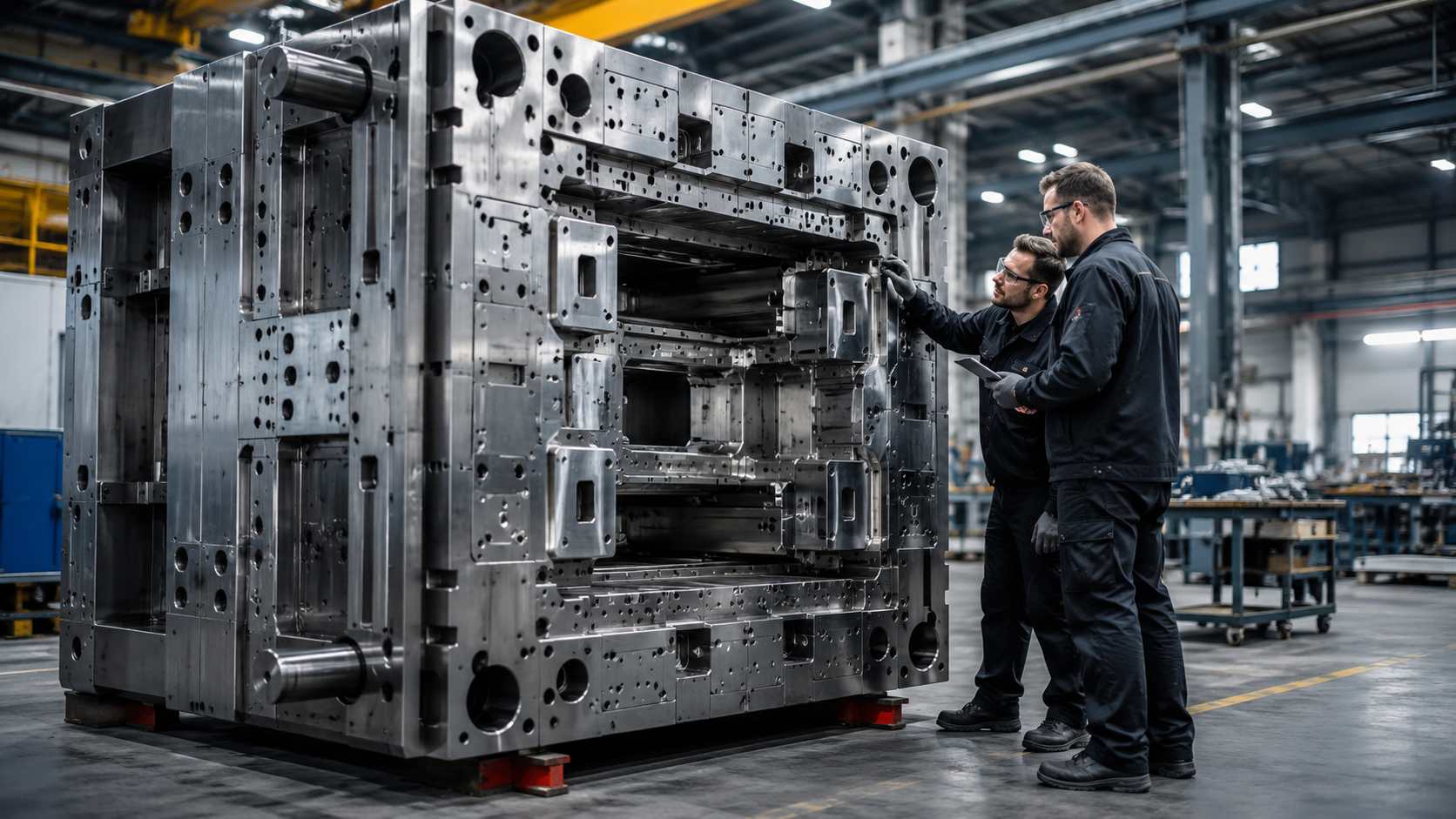
Discover the real cost drivers behind large-part injection mold tooling to understand what influences tooling investment before requesting quotations.
Read more