April 2, 2026
How To Choose the Right Injection Molding Process For Your Industry
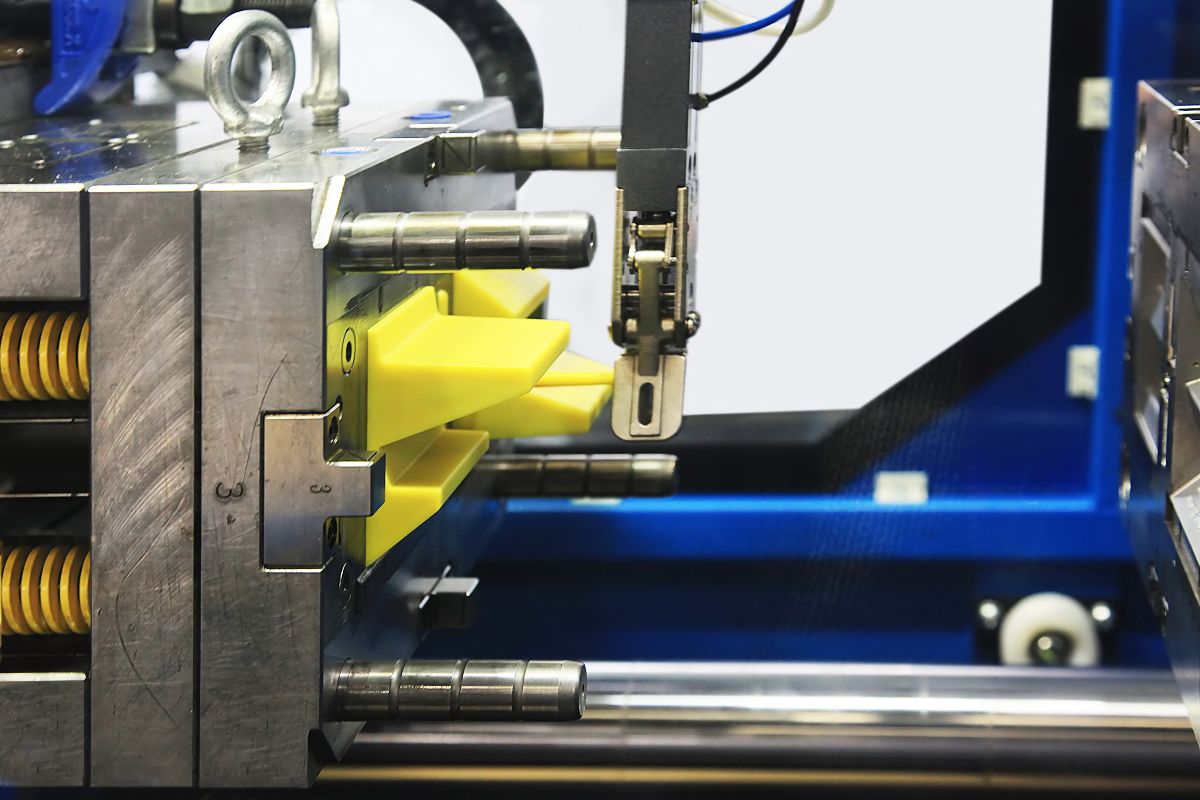
Overview
- Selecting the right injection molding process is a critical decision for manufacturers aiming to balance performance, efficiency, and cost.
- Evaluating your part’s functional demands, design complexity, and aesthetic requirements helps narrow down suitable molding techniques and material options.
- Specialized processes, proper machine selection, and an experienced manufacturing partner contribute to consistent quality and scalable production.
Companies in the USA are constantly seeking ways to produce durable, precise, and cost-effective components for their products. Whether it’s a consumer gadget, industrial equipment, or automotive part, manufacturers face pressures like rising material costs, complex designs, and tighter production schedules.
Methods like machining, casting, or thermoforming can meet some needs but often fall short when high precision, intricate designs, or large-volume production are required.
This is why many businesses turn to injection molding—a versatile method capable of producing high-quality parts at scale.
But with so many processes available, understanding how to choose the right injection-molding process for your industry needs becomes critical to ensure performance, efficiency, and long-term success.
Every successful injection molding project begins with a deep understanding of the part itself. Evaluating functional, design, and aesthetic requirements will guide the process and material selection, ensuring that the final product performs as intended.
Determining how the part will function under real-world conditions is essential. For example, a component exposed to high heat, like an engine cover, must be made from a thermally stable resin to prevent warping or degradation.
Similarly, parts subjected to repeated mechanical stress, such as a gear or handle, require a material with high tensile strength and impact resistance.
Understanding functional requirements allows engineers to select a process and material that prevent premature failure, minimize maintenance, and ensure safety and reliability.
The shape and structure of a part directly influence which molding techniques are suitable. Thin walls may require precise flow control to prevent short shots, while intricate features like threads or internal channels might necessitate multi-shot or insert molding.
Large or bulky parts often benefit from gas-assisted molding, which fills cavities efficiently without causing sink marks. By analyzing design complexity upfront, manufacturers avoid costly rework and achieve consistent dimensional accuracy.
Even functional parts often need a clean, consistent appearance, particularly for consumer-facing products. Variations in surface finish, color, or texture can undermine brand perception.
Processes like hot-runner molding maintain consistent temperatures in the mold, reducing sink marks and color streaks.
By considering aesthetics from the start, manufacturers can choose techniques and materials that ensure high-quality finishes without slowing production.

With your part’s needs defined, the next step is selecting the optimal technique and compound. This is where advanced manufacturing expertise truly delivers value, showcasing how the right process ensures quality, efficiency, and cost-effectiveness.
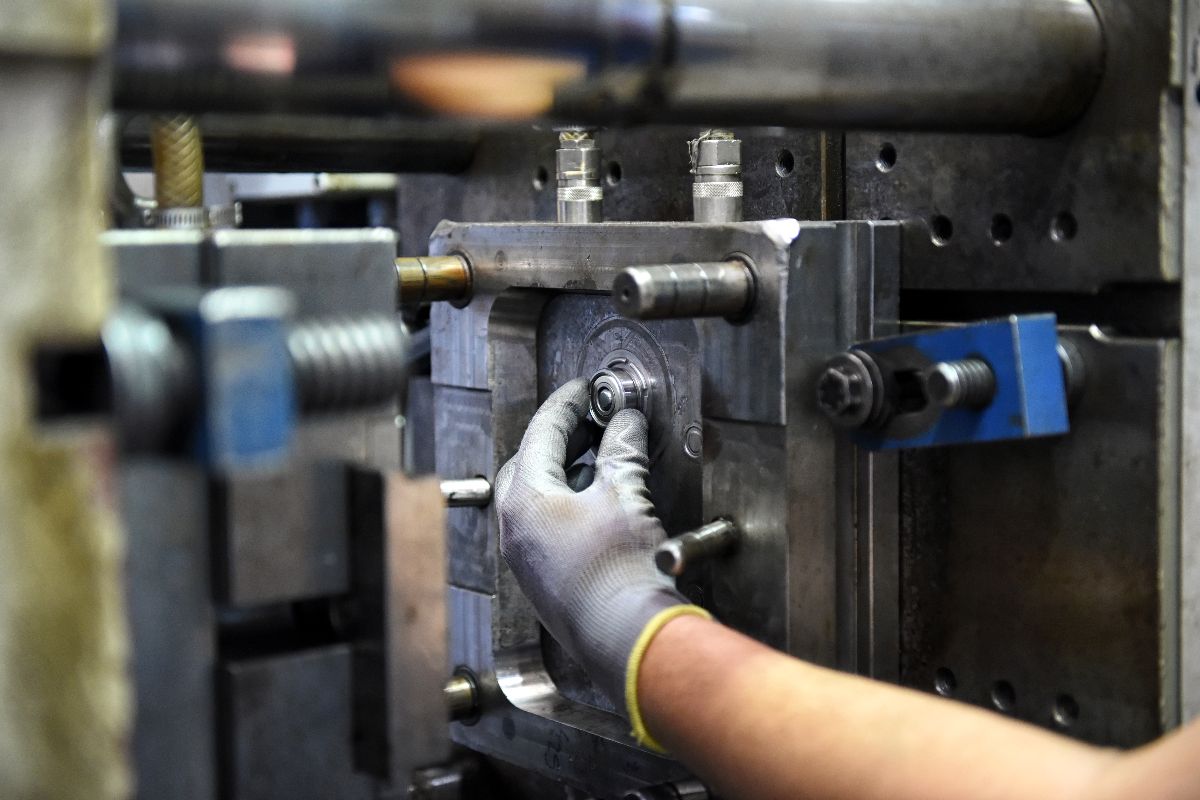
The success of your industrial project is ultimately determined by the precision of the manufacturing equipment and the expertise of your production partner.
Selecting a machine involves matching its core capacities to the needs of your part and mold.
Injection molding is not just about running machines—it’s about understanding how design, tooling, material, and process interact. An experienced manufacturing partner identifies risks early, recommends practical adjustments, and aligns production decisions with real-world performance.
At Richfields, we work directly with clients to translate part requirements into efficient, production-ready solutions. With in-house tooling, molding, and process expertise under one roof, we help reduce complexity, control costs, and ensure consistent quality from first shot to full-scale production.
The final stage involves assessing the commercial viability and long-term strategy of your production plan.
Low-volume projects benefit from flexible molds and shorter lead times, while high-volume production relies on multi-cavity tooling, automated handling, and hot runner systems to increase throughput. Matching the process to production volume ensures efficiency without unnecessary investment.
While upfront costs are important, evaluating total lifecycle value—material usage, defect rates, lead times—prevents overspending over time. Investing in the right process and partner may cost more initially, but it reduces rework, waste, and production delays, ultimately saving money and improving product reliability.
Choosing the right injection molding strategy is not a box-checking exercise—it’s a strategic decision that directly affects product reliability, production efficiency, and long-term cost control.
When engineers and procurement teams understand how to choose the right injection-molding process for their industry requirements, they gain the leverage to reduce risk, avoid redesigns, and bring better products to market faster.
At Richfields, we combine in-house tooling, advanced molding capabilities, and hands-on engineering support that guide OEMs toward solutions that work not just on paper, but in real production environments.
If you’re planning a new project or facing challenges with an existing one, now is the right time to talk. Contact us today to discuss your application and let our team help you turn complex requirements into reliable, production-ready results.
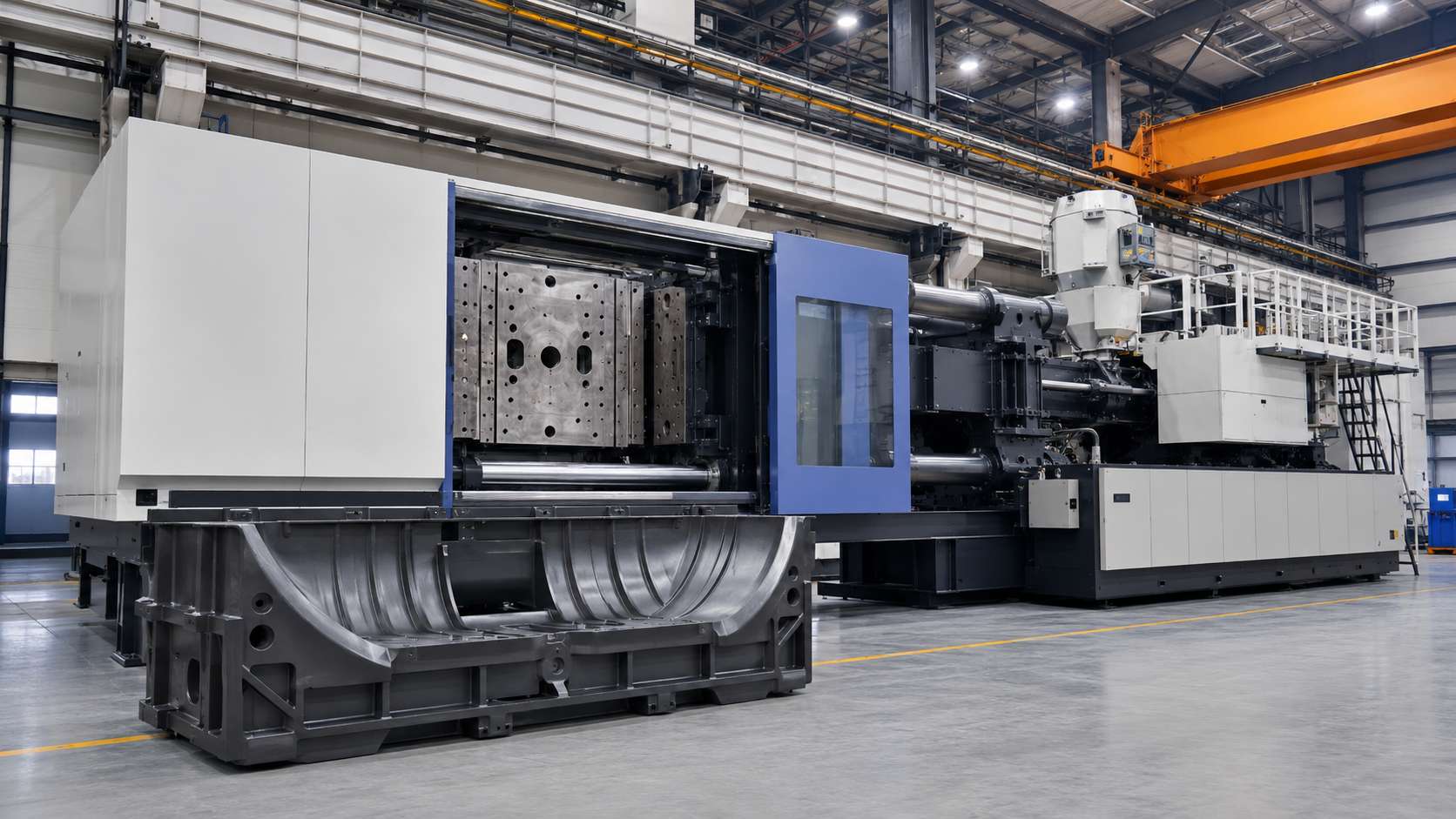
Learn how to evaluate high-tonnage injection molding capacity for large components using key engineering factors for reliable, efficient production.
Read more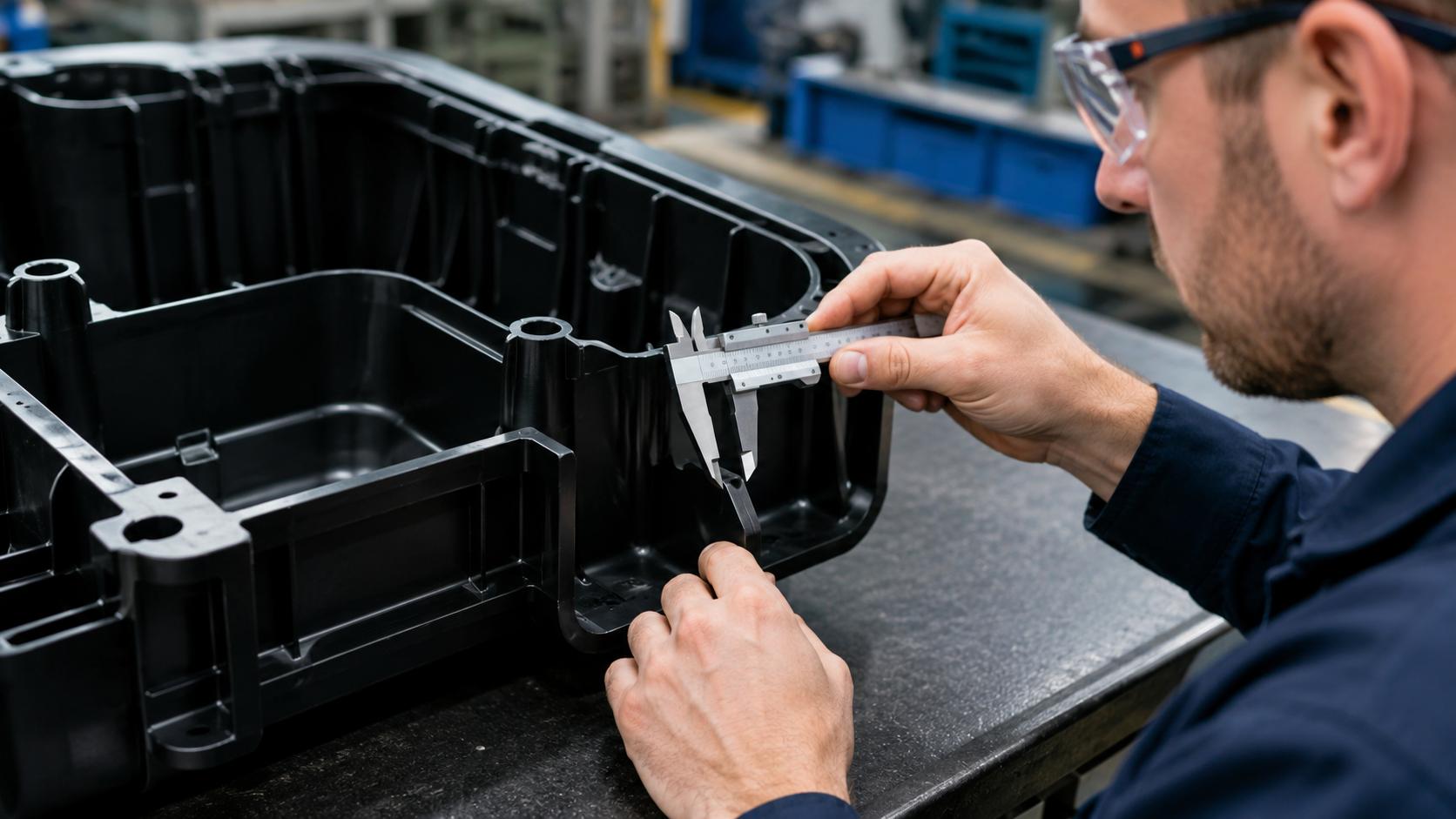
Learn the key wall-thickness guidelines for large injection-molded components that product developers must follow to optimize part performance.
Read more
Learn practical ways to assess tooling quotes from injection molding service providers in China for better sourcing decisions and long-term production value.
Read more
Discover the real cost drivers behind large-part injection mold tooling to understand what influences tooling investment before requesting quotations.
Read more