How Does Injection Molding of Large Parts Work?

Injection molding follows a controlled manufacturing process that transforms raw plastic materials into high-precision components. It requires specialized equipment and strict process control due to the scale of the parts involved.

1
Mold Design and Engineering

Mold Design and Engineering

Engineers develop tooling systems that account for material flow and structural integrity. This ensures the mold can withstand high-pressure injection and repeated production cycles.

2
Material Selection For Large Components

Material Selection For Large Components

Common engineering-grade plastics such as ABS, polycarbonate, polypropylene, and nylon are selected for injection molding large parts based on structural stability requirements.

3
Injection and Cooling Process

Injection and Cooling Process

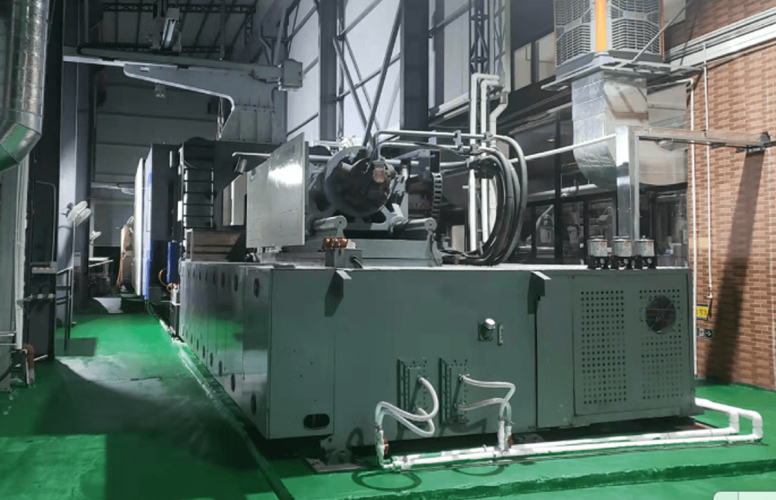
Molten plastic is injected into the mold cavity under high pressure using large-tonnage machines. The material is then cooled in a controlled environment to solidify into the final shape.

4
Finishing and Quality Control

Finishing and Quality Control

After molding, excess material is trimmed, and surface finishing is applied where necessary. Each component undergoes inspection to ensure dimensional accuracy and structural consistency.

Specialized Techniques Used in Injection Molding of Large Parts

Injection molding large parts involves specialized process variations to manage material volume and structural complexity. Each method helps improve consistency and support scalable manufacturing.

Gas-Assisted Injection Molding

Gas-Assisted Injection Molding

Gas-assisted injection molding introduces pressurized inert gas into the molten plastic to help form hollow sections within thick-walled parts. This reduces material usage and improves structural strength while maintaining dimensional stability.

Structural Foam Molding

Structural Foam Molding

Structural foam molding combines plastic resin with a gas or chemical foaming agent to create a lightweight core with a rigid outer surface. This process reduces part weight while maintaining strength, making it ideal for large structural components.

Insert Molding

Insert Molding

When injection molding large parts, insert molds involve placing metal or pre-formed components into the mold before injecting plastic around them. This creates a single integrated part with enhanced strength, durability, and functional assembly.

Hot Runner and Cold Runner Systems

Hot Runner and Cold Runner Systems

Hot runner systems keep molten plastic heated within the runner channels to reduce waste and improve cycle efficiency. Cold-runner systems allow the material in the runner to cool and solidify, offering a simpler, more cost-effective alternative.

Types of Large Plastic Parts Produced Through Injection Molding

Types of Large Plastic Parts Produced Through Injection Molding

Large-part molding is used for components that require high structural strength and consistent performance at scale. These applications commonly involve oversized or load-bearing parts, where precision is critical for long-term use.

Automotive Components

Automotive Components

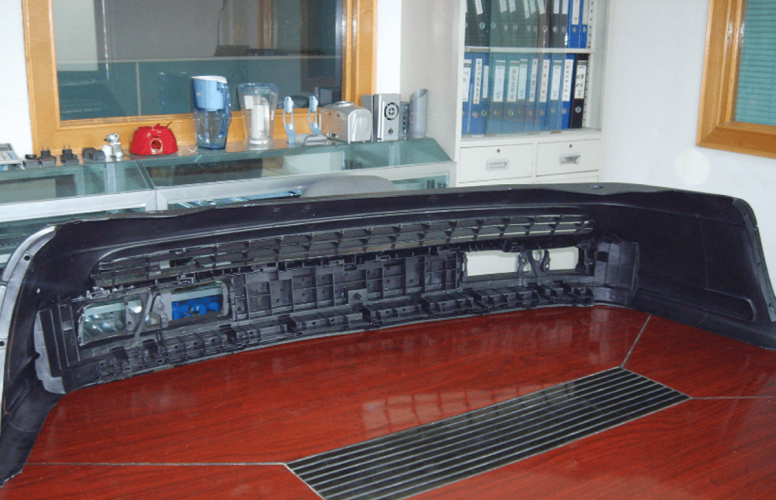
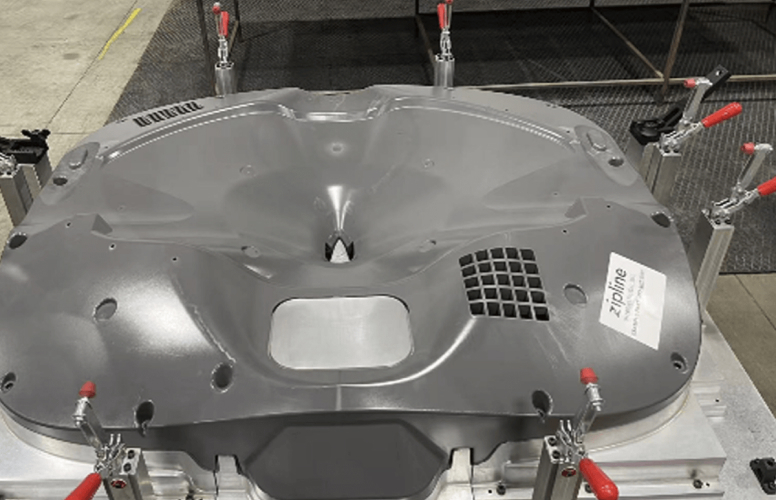
This manufacturing method is used for automotive parts such as bumpers, dashboards, door panels, and interior structures. These components require high impact resistance and dimensional accuracy to ensure safety and performance consistency.

Appliance and Consumer Goods

Appliance and Consumer Goods

This process produces large appliance housings, refrigerator panels, and structural casings for consumer products. These parts require both aesthetic quality and lasting material stability for daily use.

Industrial and Heavy-Duty Parts

Industrial and Heavy-Duty Parts

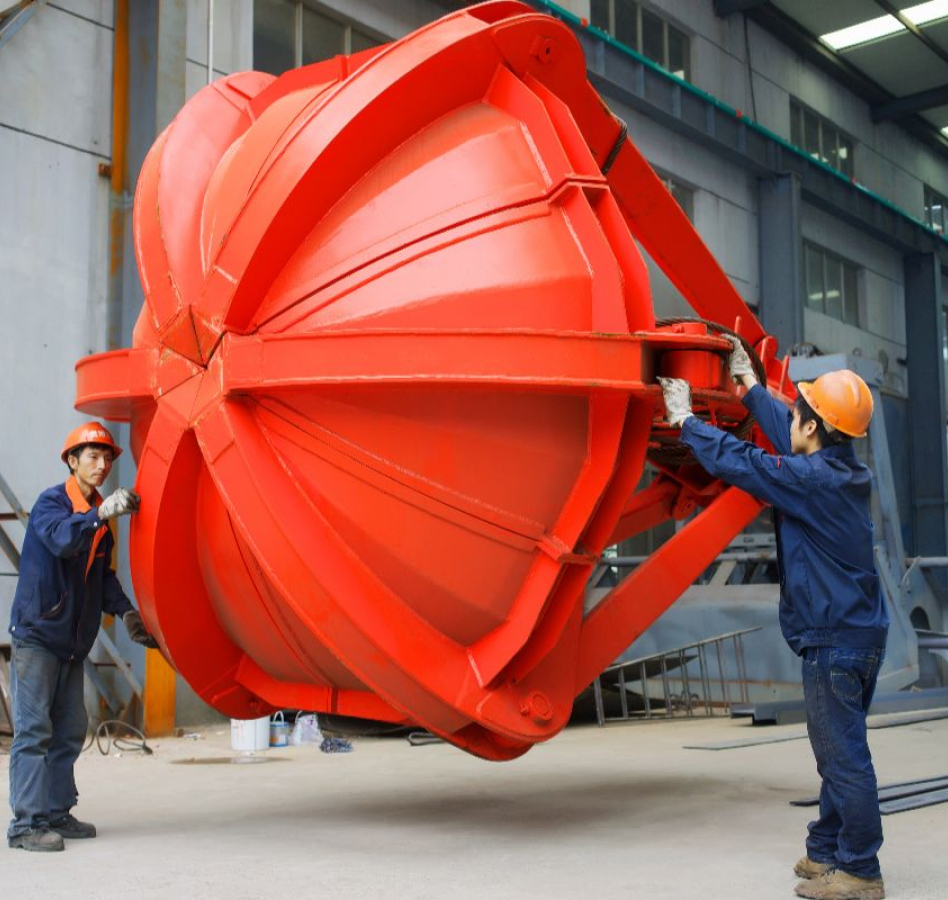
Large-part injection molding is used in industrial applications such as equipment housings and protective machine enclosures. They’re engineered to withstand continuous operations and mechanical stress, ensuring operational stability in heavy-duty use cases.

Construction and Infrastructure Materials

Construction and Infrastructure Materials

Construction and infrastructure projects use large molded parts such as ventilation systems, piping components, and structural fittings. Injection molding supports these applications by delivering components with high strength and dimensional consistency.

Design Considerations for Injection Molding Large Parts

Design Considerations for Injection Molding Large Parts

Designing large injection-molded parts requires careful planning to ensure structural integrity and production efficiency. The following factors are critical to achieving stable, high-quality manufacturing results at scale.

Maintain Uniform Thickness

Maintain Uniform Thickness

Consistent wall thickness helps plastic flow evenly throughout the mold and cool at a more stable rate. This reduces the risk of warping, sink marks, and internal stress in large molded components.

Gradual Transitions

Gradual Transitions

Sudden changes in wall thickness can create weak points and uneven cooling during production. Using smooth transitions between thick and thin areas helps improve strength, material flow, and part consistency.

Avoid Excessive Thickness

Avoid Excessive Thickness

Overly thick sections can increase cooling time, material use, and defect risks. Keeping part thickness within practical design limits improves cycle efficiency and overall production quality.

Core Out Thick Sections

Core Out Thick Sections

Coring out thick areas removes unnecessary material while preserving the part’s structural function. This helps reduce weight, prevent sink marks, and improve cooling performance in large plastic components.

Why Richfields Plastics is a Trusted Partner for Injection Molding of Large Parts

Why Richfields Plastics is a Trusted Partner for Injection Molding of Large Parts

Large-part injection molding requires precise engineering control and stable production systems to achieve consistent results. At Richfields, we provide integrated manufacturing solutions that ensure precision and consistent quality across complex components.

Advanced Tooling and Engineering System

Advanced Tooling and Engineering System

Richfields develops precision molds through in-house tooling and engineering support, designed for large-part production. This ensures stable mold performance and repeatable production quality.

High-Capacity Injection Molding Capability

High-Capacity Injection Molding Capability

Our facility is equipped with 60–5,000-ton injection molding machines for both medium and large-scale components. This allows flexible production handling for oversized and structurally complex plastic parts.

Wide Industry Application Experience

Wide Industry Application Experience

We serve automotive, industrial, consumer, and construction sectors with large-part injection molding solutions. Our cross-industry experience ensures adaptability to different technical and performance requirements.

Integrated Manufacturing Support

Integrated Manufacturing Support

Richfields provides end-to-end support from mold design through production and finishing. This integrated system helps maintain control across the entire manufacturing cycle.

Frequently Asked Questions

The maximum size depends on machine tonnage, mold design, and material behavior during cooling. With injection molding, large parts up to several meters in length and significant weight can be accommodated when supported by high-tonnage equipment.

Large-part molding requires high-tonnage machines, precision-engineered molds, and strict process control systems. Stable material flow and cooling management are also essential to maintain dimensional accuracy.

Production timelines for large injection-molded parts typically depend on several technical and manufacturing factors. Lead time is determined after design validation and tooling approval.

Key factors that determine completion include:

  • Mold complexity and design requirements
  • Part size and structural geometry
  • Tooling fabrication and machining time
  • Material selection and availability
  • Sampling, testing, and adjustment cycles

Each factor influences how quickly a stable production setup can be achieved. Large parts generally require longer development phases before mass production begins due to tooling scale and precision requirements.

Yes, it becomes highly cost-effective at scale due to reduced per-unit costs and efficient cycle production. Initial tooling investment is offset by long-term manufacturing efficiency and repeatability.

Material selection impacts the injection molding of large parts by influencing overall production consistency. Different engineering-grade plastics respond differently to heat, pressure, and cooling during the molding process. Some materials maintain structural integrity better in large-format applications.

The correct material helps companies prevent experiencing defects such as surface irregularities in their products.

Achieve High-Quality Results in Injection Molding of Large Parts

At Richfields, we provide custom manufacturing solutions supported by advanced tooling systems and high-tonnage production capability. Our team works with global industries to produce large plastic components with consistent quality and ensure stable production performance.

Contact us today to discuss your project requirements.

Contact Us