January 11, 2026
How to Cut Costs in Customized Large Injection Molding Projects

Overview
- Injection molding inefficiencies such as longer cooling times and inconsistent cycles often lead to high production costs and compromised quality.
- By optimizing design, material selection, and mold tooling, manufacturers can significantly reduce expenses while improving output.
- Richfields plays a vital role by offering expert mold design, maintenance, and full-cycle support to ensure cost-effective and high-quality customized injection molding projects.
Choosing the right manufacturing partner is critical when considering how to cut costs in customized large injection molding projects. A skilled plastic injection molding company in China can streamline production processes, reducing errors and costly rework.
By optimizing tooling, material selection, and cycle efficiency, manufacturers can achieve consistent quality while keeping budgets in check. This approach not only lowers direct expenses but also mitigates hidden costs associated with delays or product inconsistencies.
For companies in the USA managing large-scale orders, partnering with an experienced supplier ensures both reliability and cost-effectiveness from start to finish. Keep reading to learn more!

Optimizing design and material selection early in the project is one of the most effective ways to reduce expenses in customized large injection molding. Thoughtful planning ensures that parts maintain performance and durability while minimizing material waste, cycle times, and tooling adjustments.
Different polymers—such as Acrylonitrile Butadiene Styrene (ABS), polypropylene, nylon, or polycarbonate—offer varying balances of rigidity, heat resistance, flexibility, and cost. Evaluating the part’s functional requirements, including exposure to heat, chemicals, or mechanical stress, helps avoid overengineering and unnecessary expense.
Wall thickness also plays a critical role: too thick increases resin usage and cycle time, while too thin risks warping or sink marks. Maintaining uniform wall thickness—generally 2–4 millimeters depending on material—ensures consistent flow, cooling, and part quality, keeping production efficient and cost-effective.
Complex shapes with sharp corners, deep undercuts, or inconsistent surfaces require more tooling adjustments and longer cycles. Simplifying geometry—using gentle curves, consistent ribs or bosses, and avoiding unnecessary details—reduces production time, eases part ejection, and minimizes tooling wear.
Streamlined designs translate directly into lower manufacturing costs without compromising functionality.
Designing components that fit or snap together eliminates the need for separate male and female pieces. Features such as interlocking tabs, slots, or snap-fits should align precisely with consistent tolerances for secure assembly.
This approach reduces inventory complexity, simplifies production, and lowers overall costs, while maintaining accurate performance in the final product.
Mold design and tooling form the foundation of every successful injection molding project. Prioritizing precision, durability, and ease of production at this stage can significantly reduce long-term costs while ensuring consistent quality across large-scale runs.
Working with a seasoned mold maker from the outset improves design accuracy, reduces errors, and streamlines production. Richfields, a plastic injection molding company in China, specializes in large-scale and customized projects, offering end-to-end support including mold maintenance, quality inspections, and process optimization.
Early collaboration leverages advanced simulation, precision tooling, and efficient mold construction, resulting in faster cycles, fewer revisions, and lower overall expenses.
Multi-cavity molds enable multiple parts to be produced in a single injection cycle, boosting output without increasing machine time. This approach reduces labor, energy usage, and machine operation costs per part.
Additionally, spreading tooling expenses across more units lowers the overall cost per component, while careful mold design ensures uniform material flow, consistent cooling, and minimal defects.
Prototype tooling involves creating a preliminary mold to produce a small batch before full-scale manufacturing. This method allows early identification of design issues, wall thickness adjustments, and material optimization.
By validating assembly features and production parameters in advance it prevents costly revisions, reduces material waste, and avoids downtime during mass production.
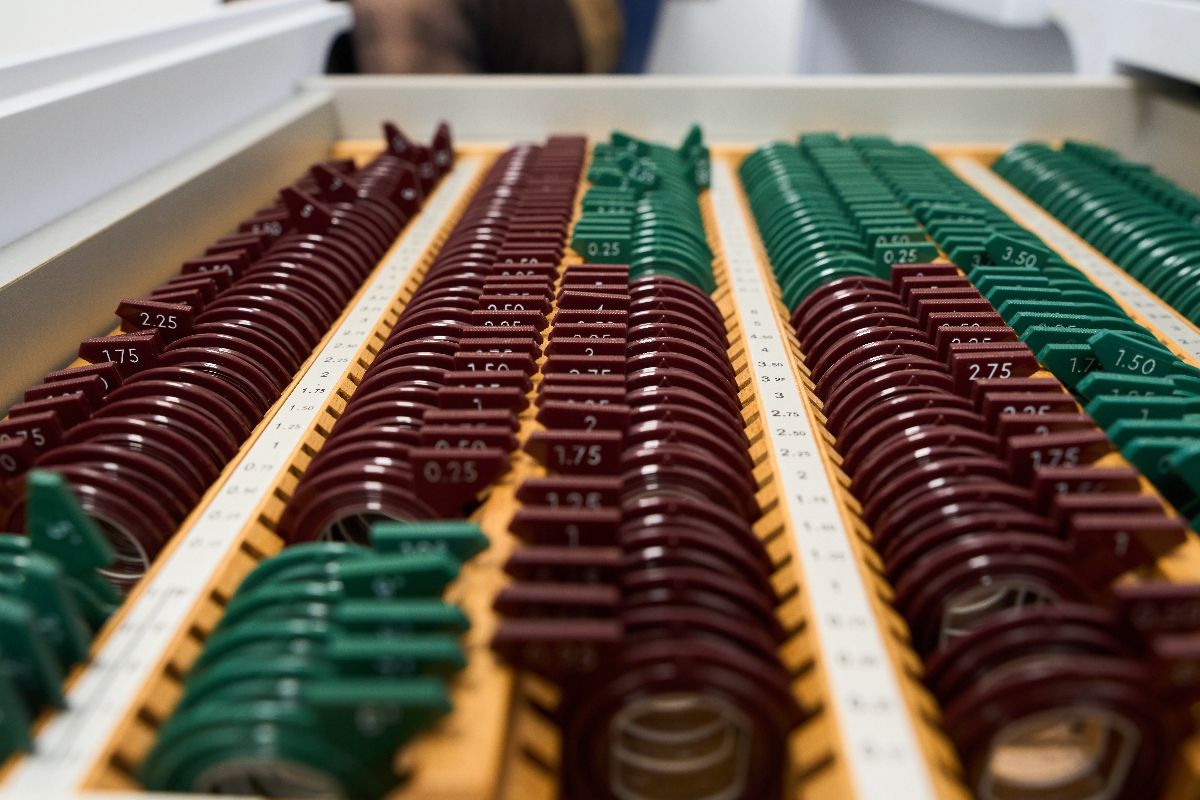
Optimizing production workflows and cycle times is key to reducing labor, energy, and material costs. Focusing on process efficiency allows manufacturers to maximize output while maintaining consistent, high-quality plastic components.
Producing larger volumes per run lowers the cost per unit by spreading fixed expenses—such as machine setup, mold preparation, and labor—across more parts. Higher production quantities also minimize downtime between cycles and improve overall machine utilization, increasing efficiency.
Shorter cycle times enable more parts to be produced within the same operating hours, reducing labor, energy, and overhead costs per unit. Fine-tuning factors like cooling efficiency, injection speed, and mold ejection ensure faster cycles without compromising part quality or precision.
Post-processing steps such as trimming, drilling, painting, or assembly can add substantial costs if not carefully integrated. Streamlining or combining these operations with the primary molding process minimizes labor and management expenses. Designing parts to reduce extensive post-processing and coordinating secondary tasks with main production helps achieve significant cost savings.
Understanding how to cut costs in customized large injection molding projects is key to reducing expenses while maintaining quality. By enhancing design, choosing the right materials, streamlining mold and production processes, and planning for long-term efficiency, businesses can achieve significant savings.
Richfields provides comprehensive solutions—from prototyping and precision tooling to full-scale production—designed to optimize efficiency and cost-effectiveness. Contact us today to learn how we can support your projects and help you achieve smarter, more profitable manufacturing processes.
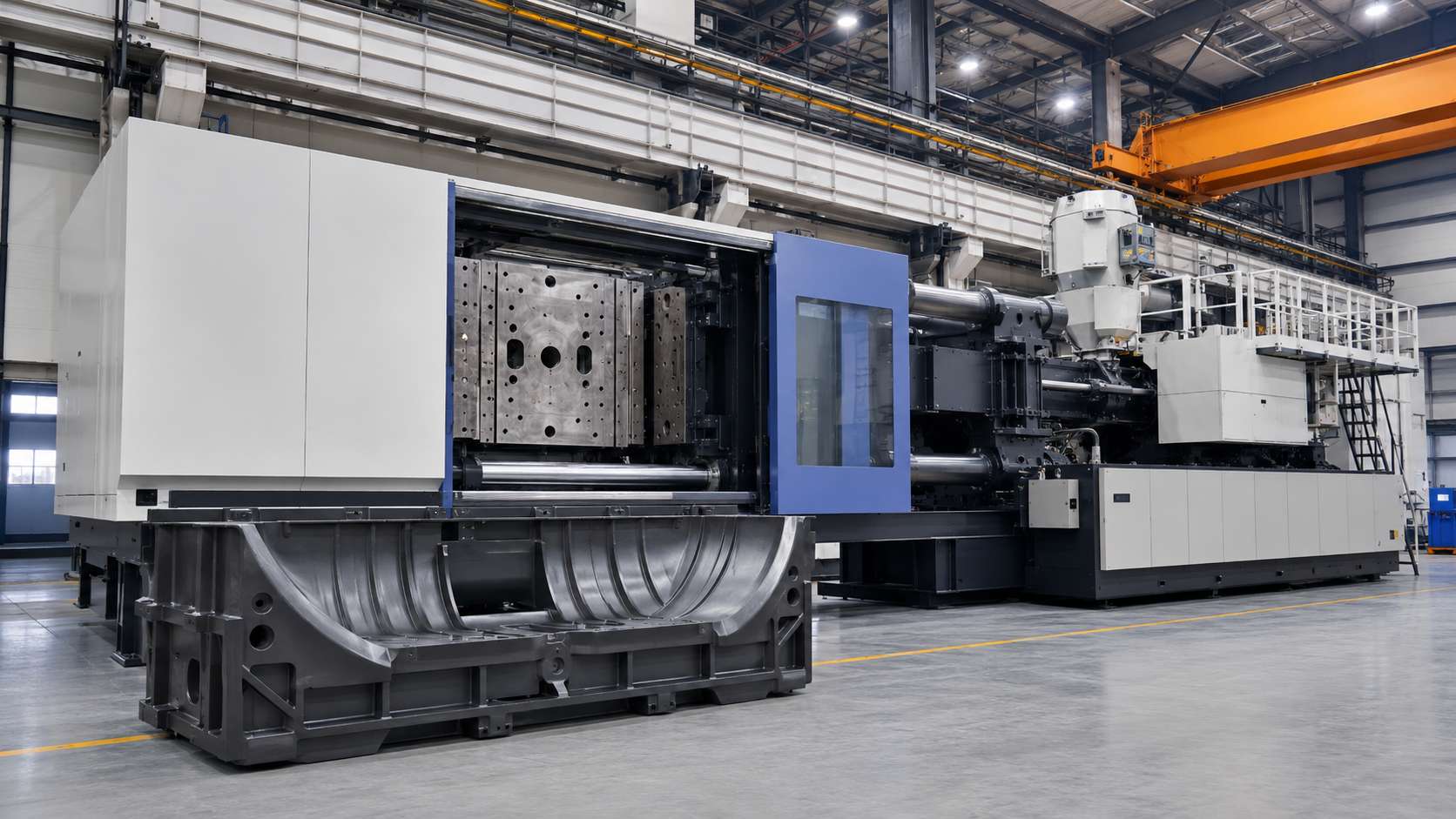
Learn how to evaluate high-tonnage injection molding capacity for large components using key engineering factors for reliable, efficient production.
Read more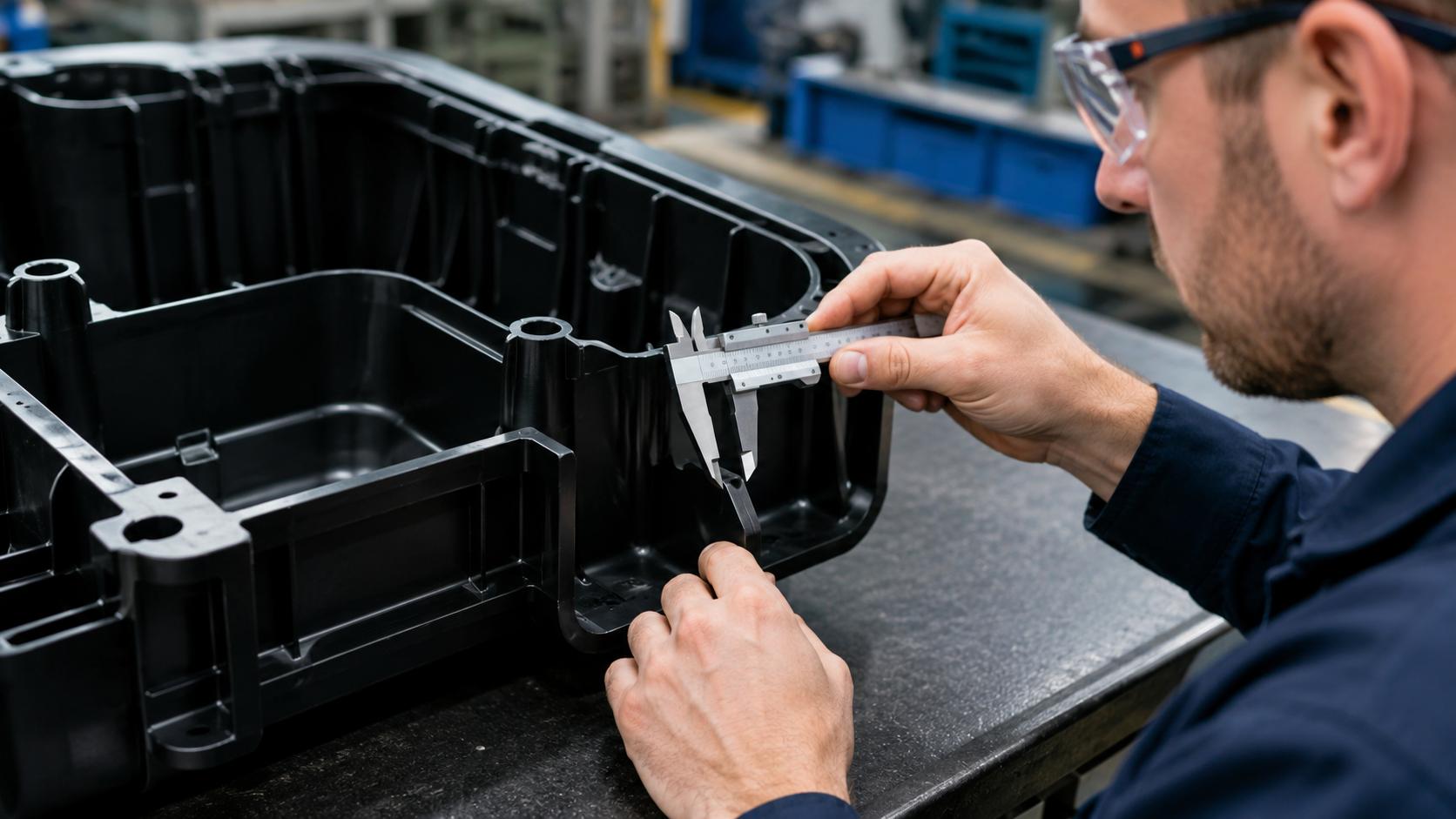
Learn the key wall-thickness guidelines for large injection-molded components that product developers must follow to optimize part performance.
Read more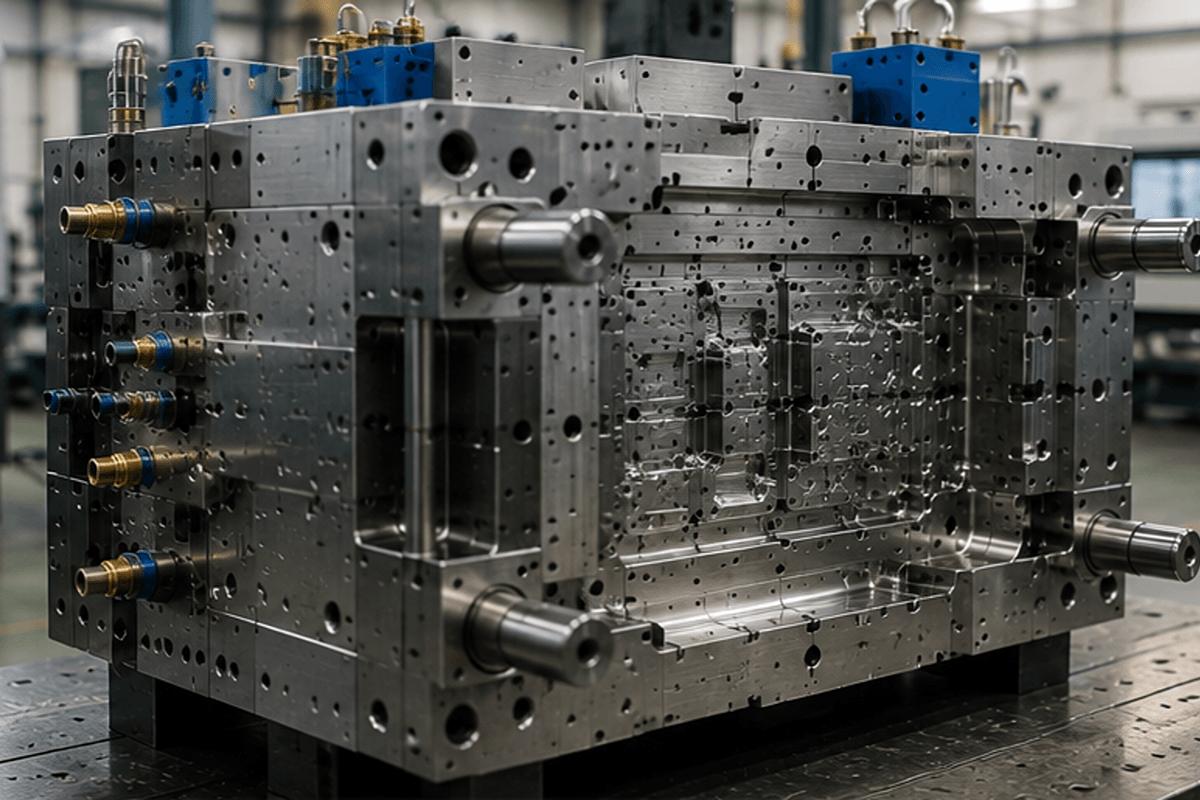
Learn practical ways to assess tooling quotes from injection molding service providers in China for better sourcing decisions and long-term production value.
Read more
Discover the real cost drivers behind large-part injection mold tooling to understand what influences tooling investment before requesting quotations.
Read more