December 21, 2025
How to Know If Your Product Is a Good Fit for Plastic Injection Molding

Overview
- To determine if your product suits plastic injection molding, evaluate its design for uniform wall thickness and proper draft angles, identify the required material properties, and consider your production volume to justify tooling costs.
- Careful assessment of these factors ensures cost-effective, high-quality manufacturing.
For expert guidance and tailored solutions, consult Richfields to optimize your injection molding process.
Turning a concept into a market-ready product is rarely straightforward. Beyond the design phase, many businesses face the challenge of selecting the right production procedure that balances cost, efficiency, and quality.
While there are several options available, precision plastic injection molding often stands out as the most efficient and dependable choice. Determining if your product is perfect for this method helps you maximize its advantages.
This saves time, minimizes expenses, and ensures high-quality results in every production run. Therefore, understanding how to know if your product is a good fit for plastic injection molding is more crucial than ever.
Read on to learn more.
Start by checking the wall thickness of your product, since uneven walls can cause warping, sink marks, or longer cooling times. Aim for uniformity across the layout, and if variation is necessary, ensure transitions are gradual to maintain structural integrity.
Next, assess features like parting lines, undercuts, and draft angles. A well-placed parting line simplifies mold construction, while lowering undercuts lowers tooling costs.
Adding proper draft angles, like 1–2 degrees, guarantees components can be ejected smoothly from the mold without damage.
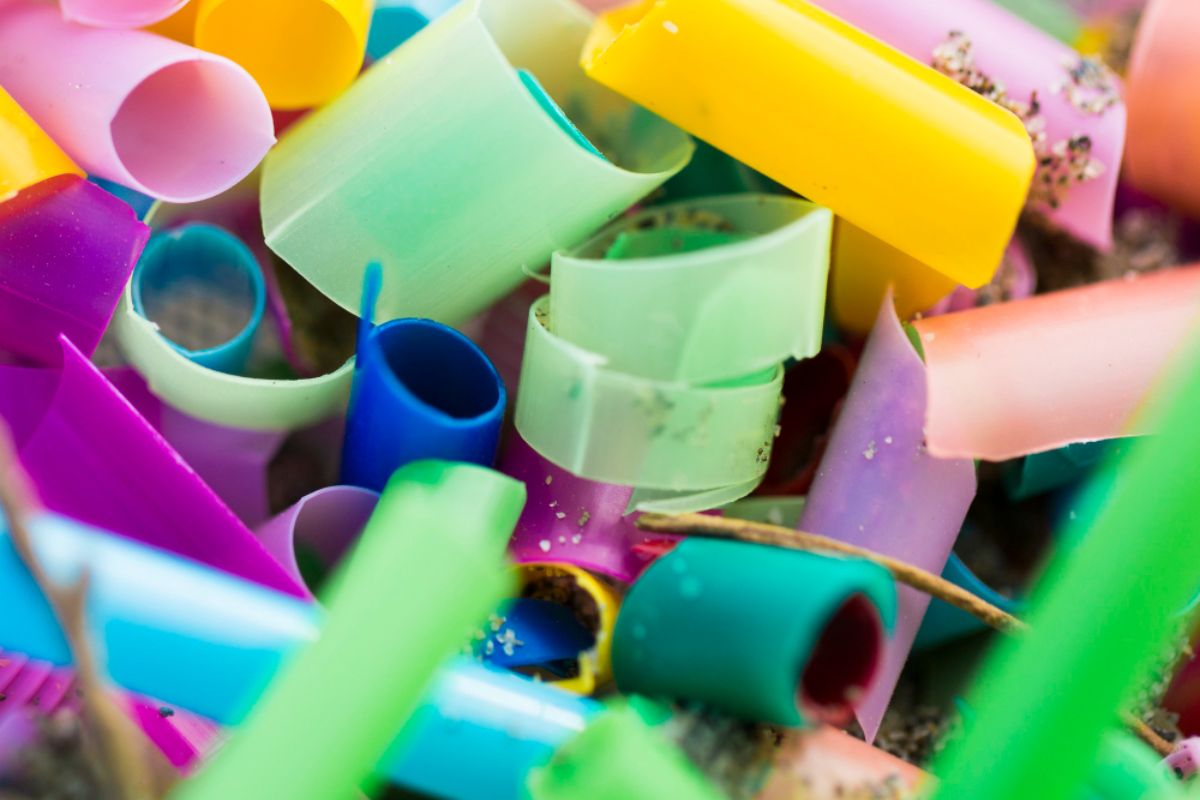
Identify the major function of your product, such as flexibility, impact resistance, heat resistance, or transparency. For instance, toys may benefit from polypropylene (PP) for its toughness, while medical items utilize polycarbonate (PC) for its clarity and strength.
After pinpointing functional needs, review aspects like regulatory compliance, environmental exposure, and cost. Inspect if the material can withstand UV rays for outdoor use, meet Food and Drug Authority (FDA) requirements for food contact, or maintain durability within your budget.
Matching these needs to the correct resin makes sure it performs reliably in its intended environment.
Estimate the number of units you plan to produce, both in the short term and long term. Low production runs may not justify the upfront tooling fees of injection molding, while high-volume projects benefit from its efficiency and cost savings per piece.
Once you have a clear volume forecast, assess how it aligns with your budget and timeline.
High-volume production makes injection molding the most economical selection, especially when consistency and repeatability are critical.
On the other hand, if your demand is restricted, alternative manufacturing processes may be more practical.
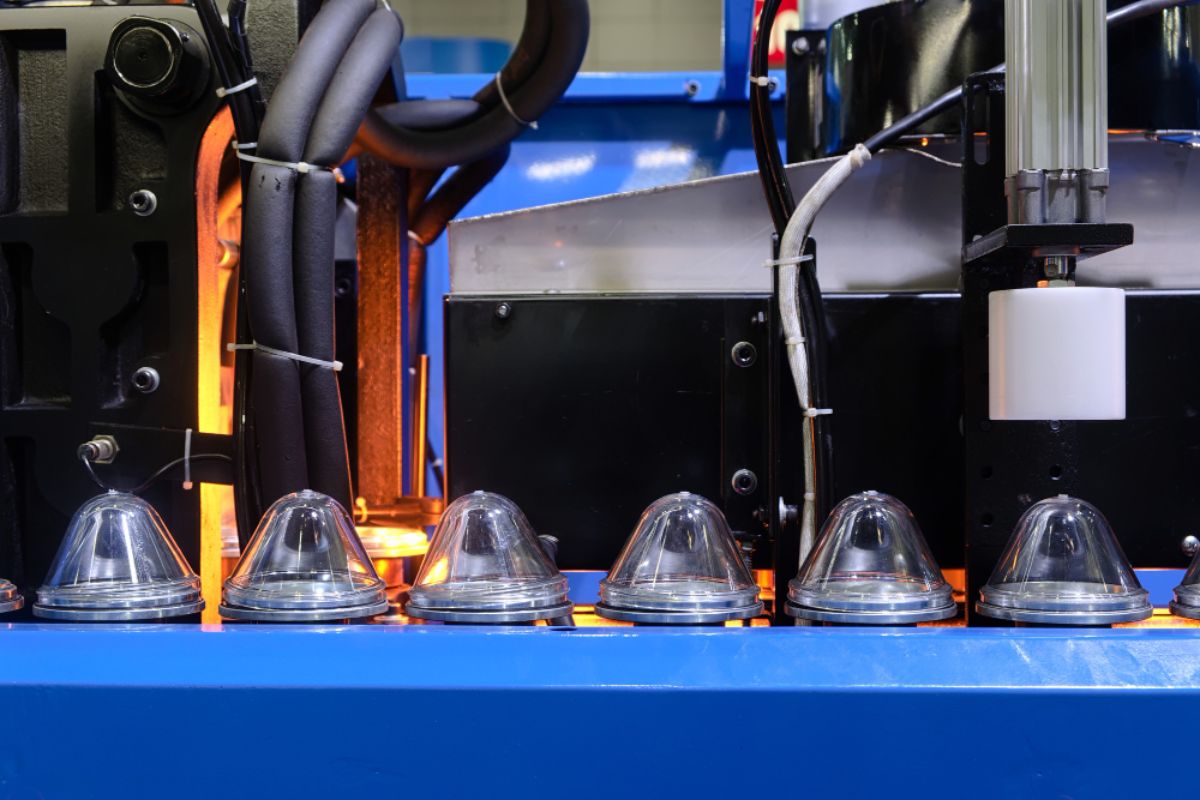
Ask yourself if your budget can cater to mold creation, which can vary in expense according to size, complexity, and material of the mold. Weigh this against your production goals to see if the return justifies the investment.
For high-volume manufacturing, the cost spreads out over thousands of units, which is highly economical. But for small runs, you need to decide if the tooling price is tailored to your overall strategy.
Every aspect distinguishes not only the quality of your product but also its long-term efficiency and profitability. Before moving forward with the procedure, it’s important to weigh the critical elements that influence the success of injection molding.
Richfields is a trusted provider of plastic injection molding solutions in China, offering expertise in producing high-quality, precise, and durable components for various industries. By working with us, you gain access to modern machinery, experienced engineers, and tailored manufacturing processes.
Our team can guide you through material selection, tooling, and volume planning to ensure your product transitions smoothly from design to manufacturing.
Distinguishing how to know if your product is a good fit for plastic injection molding can save time, reduce costs, and ensure a smoother transition from concept to production. By carefully assessing design, materials, production volume, and tooling requirements, manufacturers can make informed decisions that maximize efficiency and quality.
Richfields provides specialized guidance and comprehensive injection molding services to help bring your product ideas to life. Reach out to us today to see how our solutions can meet your manufacturing demands.
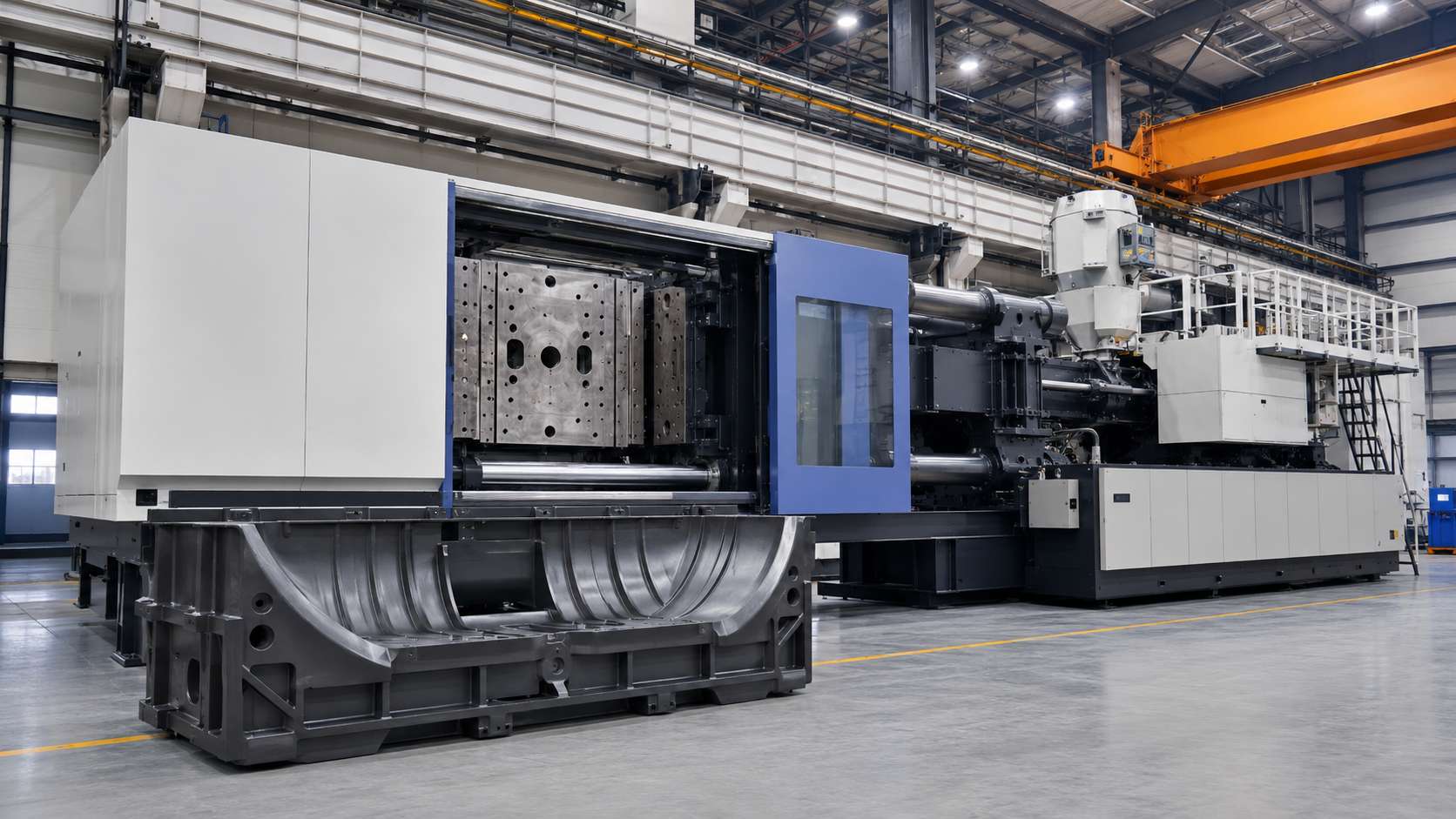
Learn how to evaluate high-tonnage injection molding capacity for large components using key engineering factors for reliable, efficient production.
Read more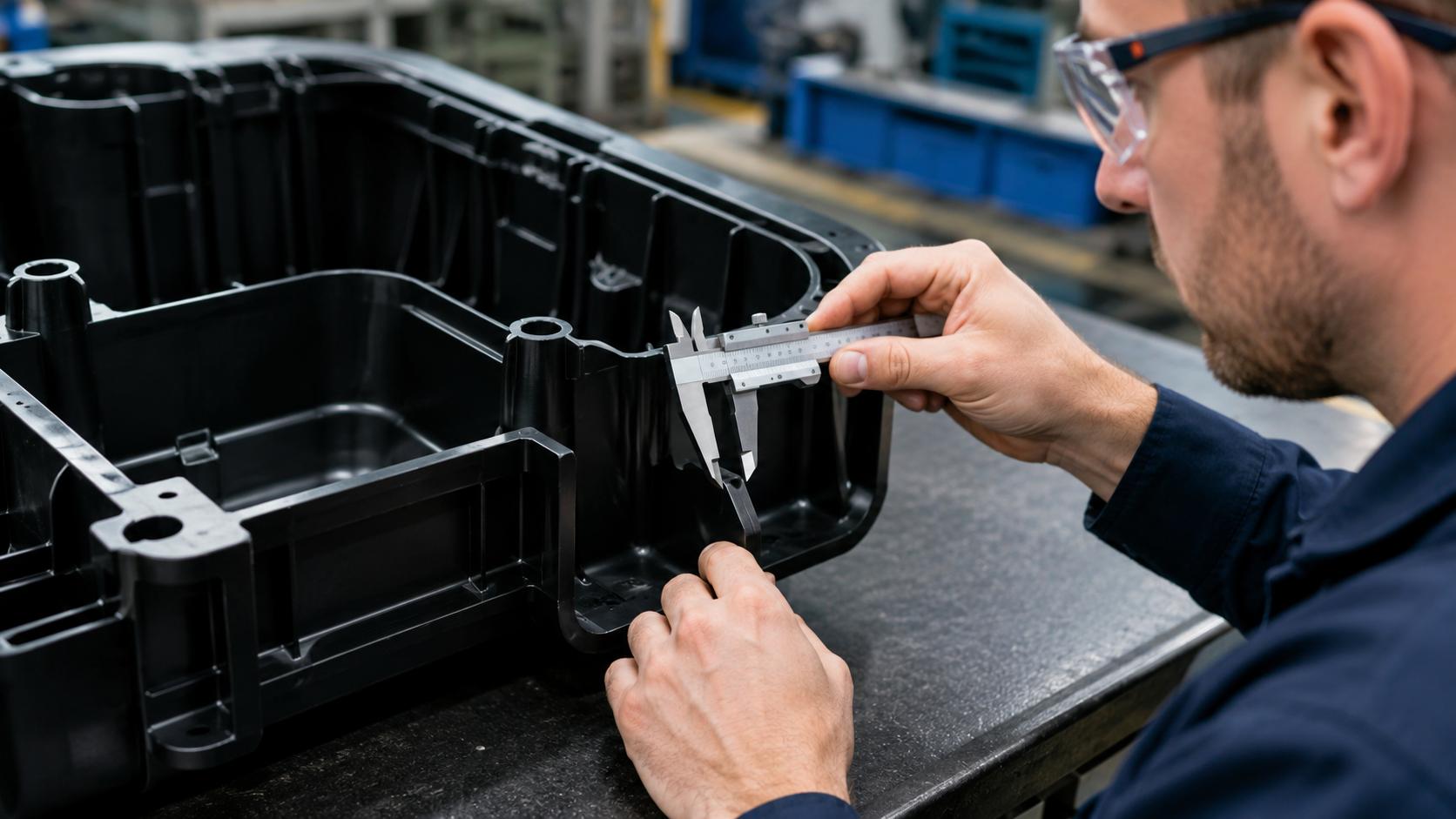
Learn the key wall-thickness guidelines for large injection-molded components that product developers must follow to optimize part performance.
Read more
Learn practical ways to assess tooling quotes from injection molding service providers in China for better sourcing decisions and long-term production value.
Read more
Discover the real cost drivers behind large-part injection mold tooling to understand what influences tooling investment before requesting quotations.
Read more